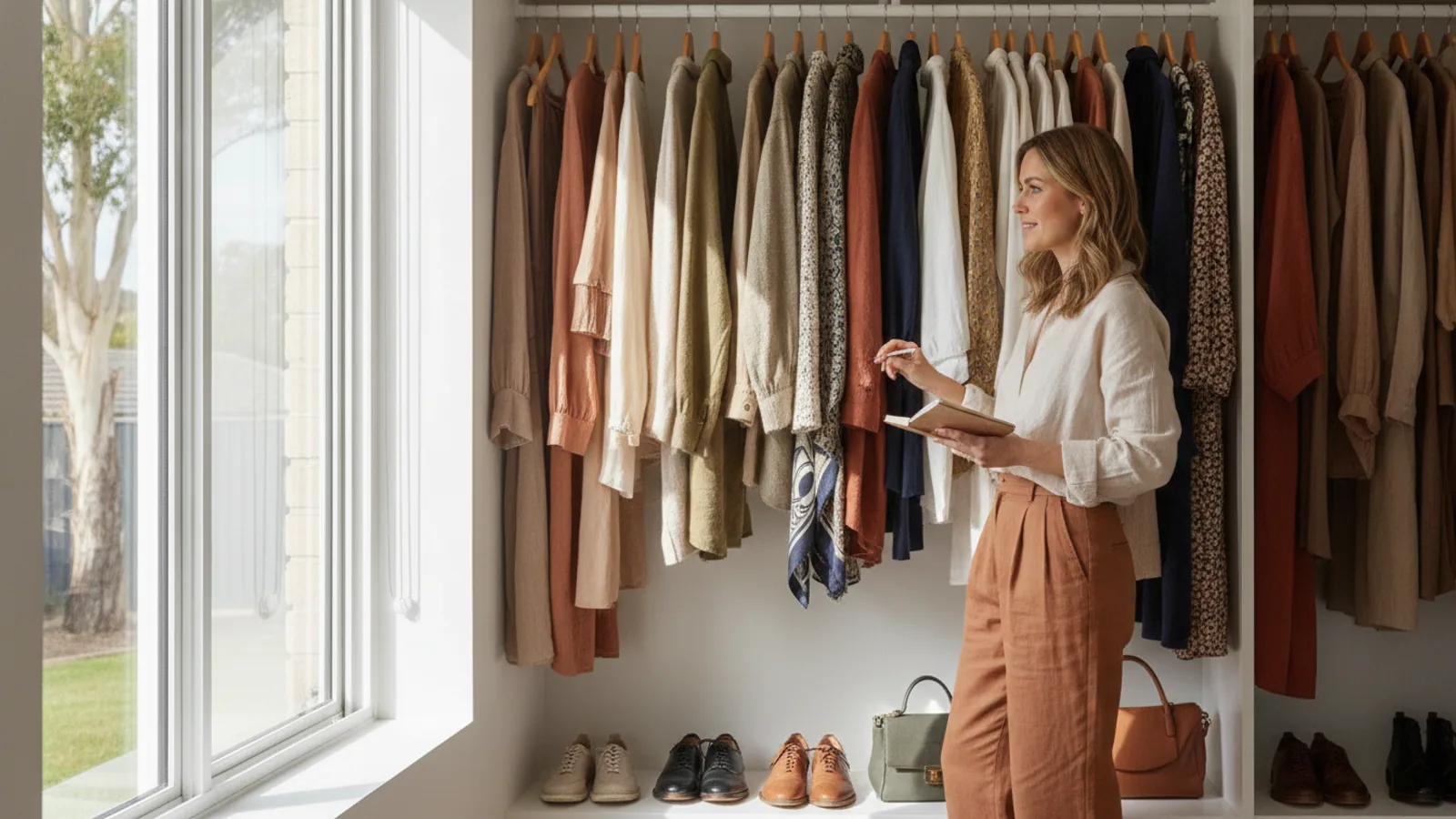
How To Make School Run And Errand Outfits Feel Pulled Together
A practical step-by-step guide to how to make school run and errand outfits feel pulled together, including preparation, instructions, common issues, tips, and next steps.

How To Make School Run And Errand Outfits Feel Pulled Together
A calm, practical guide to building a small set of reliable school-run and errand outfits that look intentional without demanding extra time or decision-making in the morning. The focus is on fit, easy layers, comfortable shoes, and a repeatable formula you can adapt to weather and errands.
Fast Answer
- Choose two or three base outfit formulas that already fit well, then rotate them with simple layers and one or two accessory changes.
- Keep shoes, outerwear, and a small bag ready by the door so the last steps of getting dressed are fast and consistent.
Before You Start
- Clear a small zone near your entryway for the shoes, jacket, and bag you use most on school and errand days.
- Wash and hang your most comfortable base pieces together so they are easy to grab without searching through the closet.
- Check the weather forecast the night before and place any rain layer, warm layer, or sun hat where you will see it.
- Try on your main outfit formulas once at home to confirm they allow easy movement, sitting, and carrying what you need.
Step-by-Step Instructions
Build two or three base formulas
Start by choosing two or three complete outfit formulas that you already know fit well and feel comfortable for a busy morning. A formula is a simple combination, such as straight-leg trousers with a soft knit and flat shoes, or a midi skirt with a tucked tee and a light jacket. Lay each formula out on your bed and try it on. Sit down, reach up, bend over, and walk a few steps. This tells you whether the pieces stay in place and allow real movement. Check that the waistband does not dig in, the sleeves do not fight your jacket, and the shoes stay secure when you move quickly. Write the formulas down or photograph them. Having a short list removes the guesswork that makes mornings feel rushed. The check matters because an outfit that only looks good while standing still will feel wrong the moment you are buckling a child into a seat or lifting a bag.
Choose a calm color plan
Limit each formula to a small color plan so the pieces always look related. A simple method is to pick one neutral base, one mid-tone, and one accent that you enjoy. For example, navy trousers, a light gray top, and a muted green jacket form a calm plan that is easy to repeat. Keep the accent small and use it in a scarf, a bag, or a pair of socks. Lay your chosen pieces together in daylight and look at them from a short distance. This check shows whether the colors fight or blend in a way you like. If two pieces feel too close but not the same, separate them with a clear neutral. The reason this matters is that a small, repeatable color plan makes even simple clothes look intentional, while a random mix can look like you dressed in the dark. A calm plan also makes shopping easier because you only add pieces that fit the plan.
Layer for easy temperature changes
School runs and errands often move between warm cars, cool buildings, and outdoor air. Build each outfit with a thin base layer, a middle layer, and an outer layer that you can remove or add quickly. A smooth base layer sits close to the skin without bunching. A middle layer, such as a light cardigan or a buttoned shirt, adds warmth without bulk. The outer layer should block wind or light rain and have a closure you can work with one hand. Test the layers together by putting them on in order, then taking the outer layer off and on again while standing. Check that the sleeves slide easily and that nothing twists at the shoulder. This check matters because a layer that catches or tangles will slow you down at the door and may leave you too warm or too cold. Easy layering keeps you comfortable without carrying a heavy coat all day.
Pick shoes for real movement
Shoes set the tone for the whole outfit and decide how your day feels. Choose one or two pairs that are comfortable for walking, standing, and quick steps, and that work with your base formulas. A clean low-profile sneaker, a supportive flat, or a simple boot can all work depending on the season. Try each pair with your formulas and walk around your home for a few minutes. Check that your heel stays in place, your toes have room, and the sole grips the floor. If a shoe rubs or feels loose, it will only get worse on a busy morning. Keep the chosen pairs by the door with any socks you need, so you are not searching at the last minute. This check matters because foot comfort affects your mood, your pace, and your safety when you are carrying bags or holding a child's hand. A reliable shoe makes the rest of the outfit feel finished.
Add one functional finishing piece
A single functional piece can make a simple outfit look pulled together. Choose one item that is both useful and visually calm, such as a structured tote, a crossbody bag, a simple belt, or a lightweight scarf. The piece should hold what you actually carry, including keys, a phone, a small wallet, and any items for the school or errand stop. Put the piece on with your full outfit and check that it does not slide, dig into your shoulder, or catch on your layers. Open and close it a few times to confirm it is easy to use while standing. This check matters because an accessory that fights you will make the whole outfit feel difficult, even if it looks good. One well-chosen piece adds a clear finishing line and keeps your hands free. Avoid adding several small accessories at once, because that can make the look feel busy and slow you down.
Set a two-minute morning reset
Create a short reset routine that you do the night before or right before you leave. First, check the weather and place any needed layer by the door. Second, lay out the full outfit, including shoes and the finishing piece, in one place. Third, do a quick mirror check from a few steps back to see the whole look, not just the top half. Look for twisted seams, visible tags, pet hair, or wrinkles that need a quick shake. Fourth, confirm your bag has what you need for the trip. This routine takes only a couple of minutes when it becomes a habit. The check matters because small issues are easy to miss up close and obvious from a distance. A consistent reset protects you from rushing and helps your simple outfit look cared for. Over time, the routine becomes automatic and lowers morning stress.
Quick Reference
| Situation | Action | Why it helps |
|---|---|---|
| You have five minutes and nothing feels right. | Grab one of your written base formulas, put it on with the shoes kept by the door, and add only the finishing piece you use most. | A known formula removes decision fatigue and is already checked for fit and movement, so you can dress quickly without second-guessing. |
| The weather changed and you are dressed too warm or too cool. | Remove or add your middle layer first, then adjust the outer layer, and keep the base layer unchanged so the fit stays familiar. | Changing the middle layer adjusts warmth without disrupting the base fit, which keeps the outfit comfortable and looking intentional. |
| Your outfit looks plain but you do not want to rethink it. | Add one functional finishing piece in a color that already appears in your base formula, such as a scarf, belt, or structured bag. | One clear finishing piece creates a visual line and makes simple clothes look complete without adding bulk or extra decisions. |
Common Issues
- The outfit feels comfortable at home but rushed and messy once you are out.: Test each formula in real conditions before trusting it. Walk to the door, carry your usual bag, and sit down and stand up a few times. Replace any piece that shifts, twists, or needs constant adjusting, and keep only the formulas that pass this test.
- Your closet is full but you still feel like you have nothing to wear.: Pull out the pieces that match your two or three base formulas and move them to the front of your closet. Store the rest out of the way for a season. When every visible piece works with your formulas, getting dressed becomes faster and calmer.
- Layers feel bulky and restrict your movement.: Swap thick layers for two thinner ones and check the fit at the shoulder and sleeve. Make sure you can reach forward and lift your arms without the hem riding up. If a layer still feels tight, size up or choose a smoother fabric that slides over the base layer.
Advanced Tips
- Keep a small repair kit with a needle, thread, and spare button in your bag so a loose seam or missing button does not ruin the outfit.
- Choose fabrics that resist wrinkles and dry quickly, which helps outfits look fresh after a long morning of errands.
- Create a seasonal capsule by storing only the pieces that fit the current weather, then rotate the rest in when the season changes.
Final Checklist
- Your outfit uses one of your written base formulas and allows you to sit, reach, and walk comfortably.
- Your shoes are supportive, secure, and already paired with the socks you need for the day.
- Your layers can be added or removed easily and your finishing piece holds what you actually carry.
- Your bag, keys, and any items for the school or errand stop are ready by the door before you leave.
FAQ
How many base formulas do I really need?
Two or three formulas are enough for most weeks. Each formula should fit well, suit the weather you expect, and use shoes you can walk in. Rotate them with simple layer and accessory changes. If you find a formula you wear most, keep it and build a second one around the same shoes and colors. Add more only when your routine or season changes.
What should I check before buying a new piece?
Take a photo of your current formulas and check that the new piece matches at least two of them in color and shape. Try it on with the shoes you wear most, then sit, reach, and walk. Read the care label and confirm the fabric suits your routine. If it needs special washing or constant adjusting, it may not earn a place in your rotation.
How do I keep outfits looking fresh after a busy morning?
Hang or fold clothes as soon as you get home, brush off dust and pet hair, and let shoes air out. Keep a small lint roller and a stain pen near your entryway for quick fixes. Rotate between two pairs of shoes so each can dry. A short evening reset of your bag and layers prevents small problems from building up and keeps the next morning calm.