How To Buy Fewer Clothes Without Losing Personal Style
A practical step-by-step guide to how to buy fewer clothes without losing personal style, including preparation, instructions, common issues, tips, and next steps.
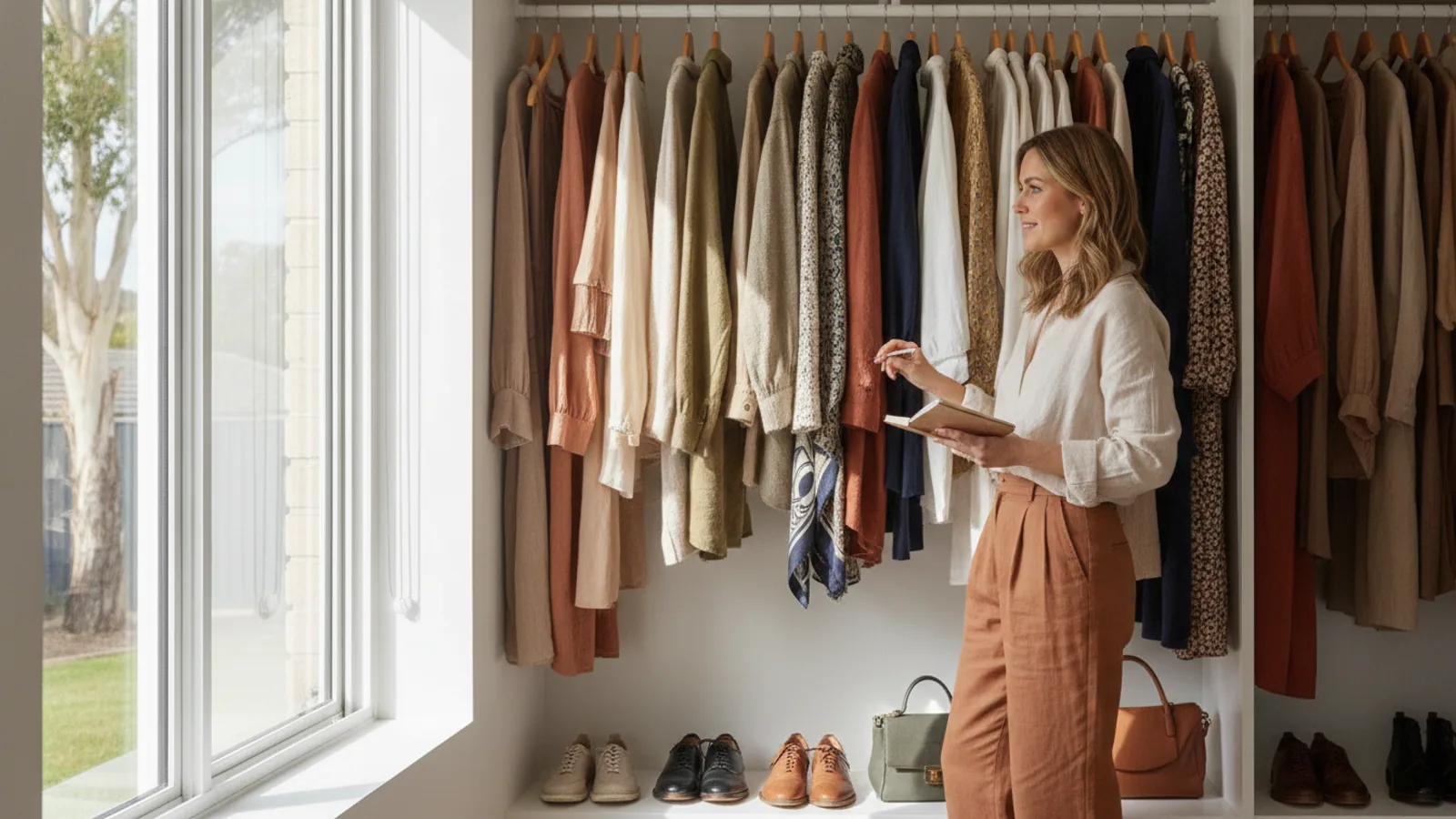
How To Buy Fewer Clothes Without Losing Personal Style
This guide helps you buy fewer clothes while keeping a personal style that feels authentic. It focuses on planning, thoughtful shopping, and simple checks so you can make better choices. You will learn to define your style, assess your current wardrobe, and build outfits from what you own. The goal is to reduce unnecessary purchases and feel more satisfied with your clothes.
Fast Answer
- Start by tracking what you actually wear for two weeks and note the colors, fits, and items you reach for most often.
- Before buying anything new, create three complete outfits using only items you already own to test if the new piece is truly needed.
Before You Start
- Set aside time to empty your wardrobe and sort every item into keep, repair, donate, or discard piles based on fit, condition, and how often you wear it.
- Write down your personal style words, such as classic, minimal, or relaxed, and use them as a filter for future purchases.
- Choose a specific number of new clothing items you will allow yourself to buy in the next season, and write it where you will see it before shopping.
- Identify your most common activities and the outfits you need for each, so you can focus on filling real gaps instead of wants.
Step-by-Step Instructions
Define your style with clear words
Start by writing three to five words that describe the style you want to project, such as comfortable, polished, or creative. Then open your wardrobe and pull out the items you wear most often. Compare those items to your words. Do they match? If not, adjust your words to reflect what you actually enjoy wearing, not what you wish you wore. This matters because a clear style definition becomes a filter for every future purchase. Without it, you may buy items that look good in a store but do not work with the rest of your clothes. As a practical check, keep your style words on your phone or a note in your wallet. Before buying anything, read them aloud and ask if the item truly fits. This simple habit prevents drift and keeps your wardrobe focused. Repeat this exercise each season, because your lifestyle and preferences can change.
Audit your wardrobe in one session
Set aside one or two hours to take every item out of your closet and drawers. Create four piles: keep, repair, donate, and discard. For each item, ask three questions: Does it fit well right now? Is it in good condition? Have I worn it in the past year? If the answer to any question is no, move it to the appropriate pile, except for special occasion items you genuinely use. After sorting, count how many items are in your keep pile. This number helps you understand your current wardrobe size and identify gaps. A practical check is to try on any item you are unsure about and see if you can make a complete outfit with it using other keep items. If you cannot, it may not belong. This process matters because it shows you what you actually own, so you can avoid buying duplicates or unnecessary pieces.
Create a list of real gaps
After your audit, look at your keep pile and note what is missing to make your wardrobe functional. For example, you may have many tops but only one pair of pants that fits well. Or you may lack a layer for cool weather. Write down specific gaps, such as a neutral blazer or a pair of comfortable shoes for walking. Be precise about color, fit, and purpose. Then rank the gaps by how often you would wear the item. This list becomes your shopping guide. A practical check is to imagine three different outfits you could create with the new item using clothes you already own. If you cannot imagine at least three, the gap may not be real. This step matters because it turns vague wants into clear needs, which reduces impulse buying and helps you focus on pieces that earn their place.
Set a purchase limit and plan
Decide on a specific number of new clothing items you will allow yourself to buy for the next season, such as three or five. Write this number down and share it with a friend or family member for accountability. Then plan when and where you will shop, and bring your gap list and style words. If you shop online, put items in a cart and wait at least one day before checking out. This waiting period helps you separate true desire from momentary excitement. A practical check is to review your purchase limit before any shopping trip and ask if the item is on your gap list. If it is not, do not buy it. This matters because limits reduce mindless buying and encourage you to choose items you will truly wear. Adjust your limit each season based on what you learned.
Shop with intention and try before buying
When you go shopping, whether in person or online, stick to your gap list and style words. In a store, try on each item and move around, sit, and raise your arms to check comfort and fit. Look at the fabric and seams to judge quality. If shopping online, check the return policy and read reviews about sizing and durability. Before buying, ask yourself if you can make at least three outfits with the item using clothes you already own. If not, leave it. A practical check is to take a photo of yourself wearing the item and look at it later with fresh eyes. This matters because it prevents you from buying something that only works in the store mirror. Remember, fewer but better choices lead to a wardrobe you actually use and enjoy.
Maintain your wardrobe and review regularly
After you bring new items home, remove the same number of old items from your wardrobe to keep it from growing. Store clothes properly by folding knits and hanging structured pieces. Repair small issues like loose buttons or hems promptly. At the end of each season, do a quick review: note what you wore most and what you never touched. Use this information to adjust your style words and gap list for the next season. A practical check is to set a calendar reminder for a seasonal review and spend fifteen minutes assessing your wardrobe. This matters because regular maintenance keeps your wardrobe functional and helps you avoid accumulating clothes you do not wear. Over time, you will become better at predicting what you will actually use, which means fewer purchases and more satisfaction.
Quick Reference
| Situation | Action | Why it helps |
|---|---|---|
| You see a sale and feel tempted to buy something not on your gap list. | Close the page or leave the store, wait one full day, and then review your style words and gap list before deciding. If the item still fits, check if you can make three outfits with it using clothes you own. | Waiting reduces impulse buying, and the outfit test ensures the item works with your existing wardrobe so you do not waste money on something you will rarely wear. |
| Your wardrobe feels full but you have nothing to wear. | Spend thirty minutes mixing and matching your keep items into complete outfits. Take photos of the combinations that work. Identify what is missing to make more outfits, and add only those specific items to your gap list. | This shows you what you actually own and helps you find real gaps instead of buying more of what you already have, which leads to a more functional wardrobe. |
| You are unsure if a new item is worth buying. | Try it on with at least three different outfits from your wardrobe. If you cannot create three complete looks, or if it does not match your style words, do not buy it. If you are shopping online, use the same test with items you already own. | This check ensures the item is versatile and fits your personal style, which means you will wear it often and get good value from the purchase. |
Common Issues
- You keep buying similar items and end up with duplicates.: Before shopping, review your wardrobe audit and gap list. Take a photo of your current items in that category and keep it on your phone. When you see something similar, compare it to the photo and ask if it adds something new. If it is too similar, skip it.
- You feel bored with your clothes and want something new.: Try creating new outfits from your existing wardrobe by mixing patterns, layering, or adding accessories you already own. Spend an hour experimenting and take photos of combinations you like. If you still feel a gap, add one specific item to your list and wait a week before buying.
- You struggle to stick to your purchase limit.: Make your limit visible by writing it on a note in your wallet or as a phone wallpaper. Share your goal with a friend who can check in with you. If you exceed your limit, pause all clothing shopping for the next month and review why it happened.
Advanced Tips
- Try a capsule wardrobe experiment: choose a small set of items that mix and match for a month and see how many outfits you can create. This builds confidence in your existing clothes.
- Learn basic clothing repair skills like sewing a button or fixing a hem. This extends the life of your clothes and reduces the need to replace items.
- Keep a style journal to note which outfits make you feel confident and comfortable. Review it before shopping to remind yourself of what works.
Final Checklist
- I have written my style words and keep them visible before any shopping trip.
- I have completed a wardrobe audit and know exactly what I own and what gaps exist.
- I have set a specific purchase limit for the season and shared it with someone for accountability.
- I will test any potential purchase by making at least three outfits with items I already own.
FAQ
How long does it take to see results from buying fewer clothes?
Most people notice a difference within one season. The first step is the wardrobe audit, which takes a couple of hours. After that, using your gap list and style words when shopping helps you avoid unnecessary purchases immediately. Over three to six months, you will likely find it easier to resist impulse buys and feel more satisfied with your wardrobe because every item has a purpose.
What if I need clothes for a special event but do not want to buy new ones?
First, check your wardrobe for items you can repurpose or combine in a new way. You might also borrow from a friend or use a clothing rental service if available. If you must buy, choose something that fits your style words and can be worn again for other occasions. Add it to your gap list and count it toward your purchase limit.
How can I stay motivated to buy fewer clothes?
Focus on the benefits you care about, such as saving money, reducing clutter, or having a wardrobe you truly love. Track your progress by noting how many items you bought each month and how often you wear them. Celebrate small wins, like skipping a sale or repairing an old favorite. Share your goal with supportive people who can encourage you.