How To Plan Modest Occasion Dressing For An Australian Event
A practical step-by-step guide to how to plan modest occasion dressing for an Australian event, including preparation, instructions, common issues, tips, and next steps.
How To Plan Modest Occasion Dressing For An Australian Event
Planning modest occasion dressing for an Australian event involves balancing cultural expectations, weather extremes, and personal comfort. This guide walks you through practical steps to choose outfits that respect modesty while fitting the occasion, from weddings to workplace gatherings, ensuring you feel confident and prepared.
Fast Answer
- Start by confirming the event's dress code and cultural context, then choose loose, breathable layers that cover appropriately for the setting and season.
- Prioritise fabrics that resist wrinkles and heat, and test your full outfit ahead of time to avoid last-minute stress.
Before You Start
- Read the invitation carefully for dress code hints, venue type, and any cultural or religious notes that affect modesty expectations.
- Check the local weather forecast for the event date and plan layers that can be added or removed as temperatures change.
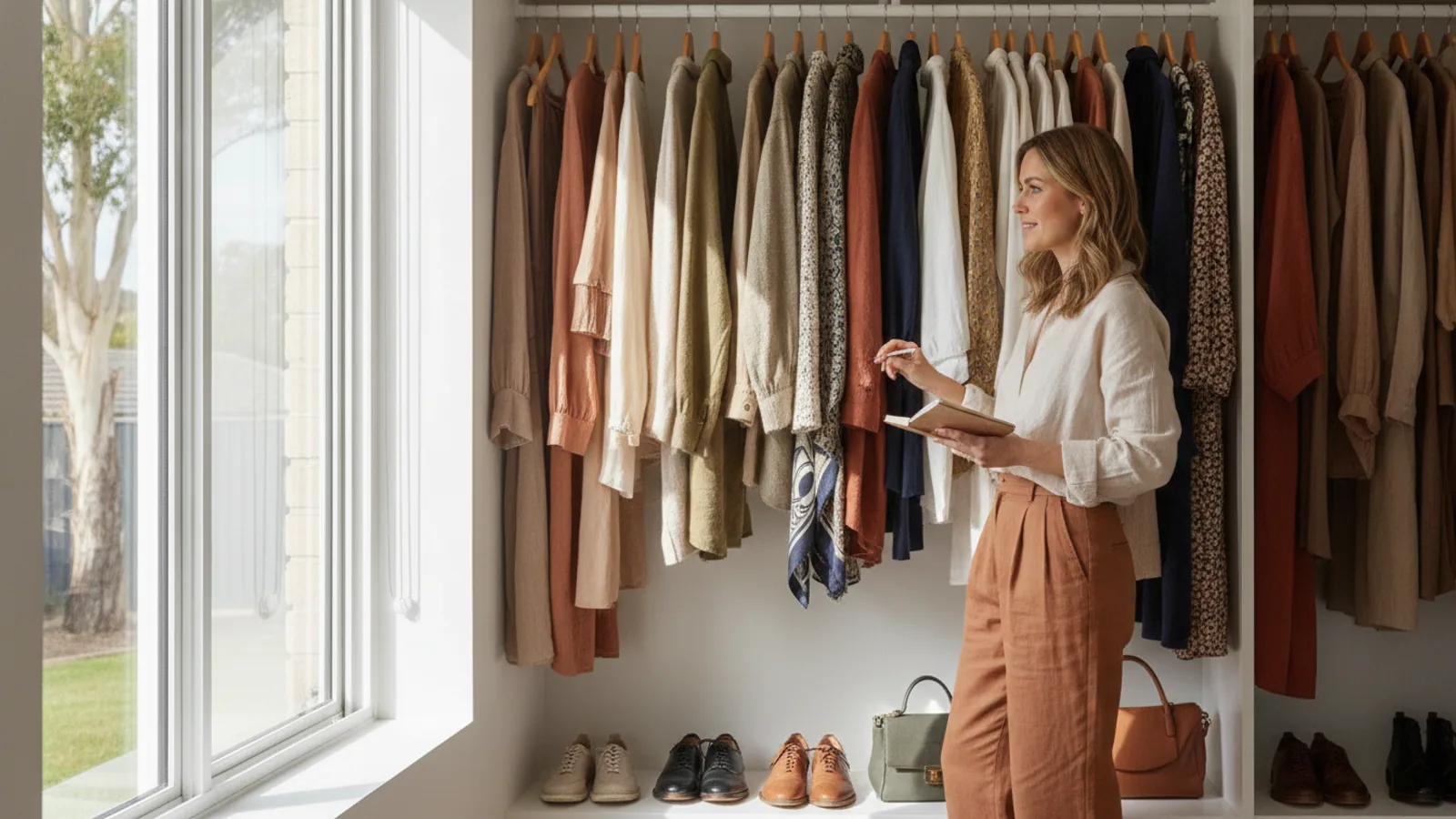
- Sort through your wardrobe for modest base pieces such as long-sleeve tops, maxi skirts, wide-leg trousers, and light cardigans.
- Prepare a small emergency kit with fabric tape, a stain remover pen, spare safety pins, and a lightweight scarf for extra coverage.
Step-by-Step Instructions
Clarify the event's dress code and cultural context
Before choosing any outfit, contact the host or check the invitation for specific dress code details. Look for terms like formal, smart casual, cocktail, or traditional, and ask directly if modesty requirements are unclear. In Australia, events can range from relaxed backyard barbecues to strict religious ceremonies, so context matters greatly. Write down what you learn and compare it with your own comfort level. A practical check is to see if the venue or event has a website or social media page showing previous years' photos, which can reveal typical attire. This check matters because guessing wrong can make you feel out of place or disrespectful. Once you have clear information, you can narrow your options and avoid wasting time on unsuitable choices.
Assess the weather and venue environment
Australian weather can shift dramatically within a day, so check the forecast for the event location and time. Consider whether the event is indoors, outdoors, or both, and whether there will be air conditioning or heating. For hot days, choose light-coloured, breathable fabrics like cotton or linen that cover the skin without trapping heat. For cooler evenings, plan a modest layer such as a long cardigan or shawl that complements your outfit. A practical check is to look up the venue's typical climate control by reading reviews or asking the host. This check matters because an outfit that works in a air-conditioned hall may be unbearable in a sunny garden. Prepare for both by selecting pieces you can easily add or remove without compromising your modesty.
Select modest base pieces from your wardrobe
Begin with a foundation of modest clothing that you already own and feel comfortable in. Look for long-sleeve or three-quarter-sleeve tops, maxi or midi skirts, wide-leg trousers, and loose-fitting dresses. Avoid sheer fabrics unless you plan to wear a full slip underneath. Try on each piece and check that it covers your shoulders, chest, and knees as needed for the event. A practical check is to raise your arms, sit down, and bend forward to ensure no skin is exposed in those positions. This check matters because static mirror poses can hide gaps that appear when you move. If a piece fails the test, set it aside or pair it with a camisole or layering top. Build your outfit from these reliable base items before adding accessories.
Layer for coverage and temperature control
Layering is your best tool for modest dressing across varying conditions. Start with a breathable base layer, add a mid-layer like a button-up shirt or fine knit, and finish with an outer layer such as a blazer, long cardigan, or structured jacket. This approach lets you adjust coverage without revealing more than you intend. Ensure each layer fits loosely enough to avoid clinging but not so baggy that it looks sloppy. A practical check is to put on all layers and move through a full range of motion, including reaching overhead and sitting in a chair. This check matters because tight layers can ride up or pull, while overly loose ones may shift out of place. Adjust until every layer stays put and feels secure.
Test the complete outfit ahead of time
Once you have assembled your outfit, wear it for at least thirty minutes at home before the event. Walk around, sit, stand, and mimic activities you might do, such as eating, greeting people, or dancing. Check in a full-length mirror from multiple angles, including the back. A practical check is to take photos in different lighting to see how the outfit reads in daylight and indoor light. This check matters because colours and fit can look different in photos, and you may notice a gap or wrinkle you missed. If any part feels uncomfortable or requires constant adjustment, swap it for something else. Doing this trial run reduces stress on the day and helps you feel confident.
Prepare accessories and final details
Accessories can elevate a modest outfit while adding practical benefits. Choose a structured handbag that holds your essentials, comfortable closed-toe shoes if the venue has uneven ground, and simple jewellery that does not distract. A decorative scarf or statement belt can draw attention to your face or waist without compromising coverage. A practical check is to wear the full outfit with accessories for a short walk outside to test comfort and stability. This check matters because uncomfortable shoes or a slipping scarf can ruin your enjoyment. Also, pack a small emergency kit with spare pins, fabric tape, and blotting papers. Confirm your transport and arrival time so you are not rushing, which can lead to wardrobe mishaps.
Quick Reference
| Situation | Action | Why it helps |
|---|---|---|
| You receive an invitation with no dress code. | Contact the host politely and ask for guidance on attire, mentioning that you want to dress appropriately for the venue and occasion. | Asking directly prevents guesswork and shows respect, ensuring you do not underdress or overdress for the event. |
| The event is outdoors in summer and you want to stay modest. | Choose loose, light-coloured clothing in natural fabrics, wear a wide-brimmed hat, and carry a breathable long-sleeve layer for sun protection. | Loose natural fabrics allow airflow and block sun, while a hat and sleeves reduce direct exposure without overheating. |
| You are unsure if your outfit is modest enough for a religious ceremony. | Err on the side of more coverage by adding a long-sleeve layer, a higher neckline, and a longer hem, then check with someone familiar with the venue's customs. | Extra coverage is rarely seen as disrespectful, and confirming with a knowledgeable person helps you avoid accidental offence. |
Common Issues
- Your outfit feels too hot for an outdoor Australian event.: Switch to lighter colours and breathable fabrics like cotton or linen, and remove unnecessary layers. Choose loose cuts that allow air to circulate. If you must cover up, opt for a single long-sleeve layer in a light fabric rather than multiple heavy ones. Carry a small fan or a water spray bottle to stay cool without sacrificing modesty. Test the outfit in similar weather beforehand to ensure comfort.
- You worry that modest clothing looks frumpy or outdated.: Focus on fit and proportion rather than trends. Well-tailored pieces in solid colours or subtle patterns look polished. Add modern accessories like a structured bag or simple jewellery. Mix textures, such as a silky skirt with a knit top, to add interest. A good tailor can adjust off-the-rack items for a flattering fit. Confidence in your choices makes any outfit look better.
- Your layers shift or expose skin when you move.: Use hidden fasteners like safety pins or fashion tape to secure necklines and hems. Choose underlayers that stay tucked, such as bodysuits or long camisoles. Test your range of motion before leaving home. If a layer still shifts, consider replacing it with a piece that has more structure or a different cut. Sometimes a simple change from a wrap top to a button-up solves the problem.
Advanced Tips
- Invest in a few high-quality, versatile modest pieces that can be mixed and matched across many events, reducing decision fatigue.
- Learn basic sewing skills like hemming and taking in seams so you can quickly alter clothing to improve modesty and fit.
- Keep a written record of outfits that worked well for different event types and weather, so you can reuse successful combinations.
Final Checklist
- Confirm the event's dress code and any cultural expectations with the host or a trusted source.
- Check the weather forecast and prepare layers that can be added or removed for comfort.
- Try on the full outfit, including shoes and accessories, and move around to test coverage and fit.
- Pack an emergency kit with safety pins, fabric tape, stain remover, and a light scarf for extra coverage.
FAQ
What does modest occasion dressing mean in Australia?
In Australia, modest occasion dressing generally means covering shoulders, chest, and knees, though expectations vary by event and community. It often involves loose-fitting clothing that does not cling, and may include long sleeves or high necklines. Always check with the host if you are unsure, as some events are casual while others are formal or religious.
How can I stay cool while dressing modestly in summer?
Choose light-coloured, loose clothing made from breathable natural fabrics like cotton or linen. Wear a single long-sleeve layer instead of multiple heavy ones, and select a wide-brimmed hat for sun protection. Carry a small fan and stay hydrated. Test your outfit in similar weather before the event to ensure you can stay comfortable.
What if I cannot afford new clothes for the event?
You do not need to buy new clothes. Shop your own wardrobe for modest base pieces, borrow from friends, or visit second-hand stores. Simple alterations like hemming or adding a camisole can make existing clothes work. Focus on fit and cleanliness; a well-fitting outfit from your closet often looks better than something new that does not suit you.