How To Research Ethical Australian Fashion Labels
A practical step-by-step guide to how to research ethical Australian fashion labels, including preparation, instructions, common issues, tips, and next steps.

How To Research Ethical Australian Fashion Labels
Researching ethical Australian fashion labels requires patience and a clear method. This guide helps you verify claims about labour, materials, and animal welfare by checking public information, asking direct questions, and comparing what you find across independent sources. You will learn how to build a shortlist, read certification details, and decide which labels match your values.
Fast Answer
- Start by listing what matters most to you, then look for labels that publish specific, checkable details about their supply chain and materials.
- Use official certification directories and ask labels direct questions about factories, fibres, and animal products before you buy.
Before You Start
- Decide your top three ethical priorities, such as fair wages, low-impact fibres, or animal-free materials, so you can compare labels fairly.
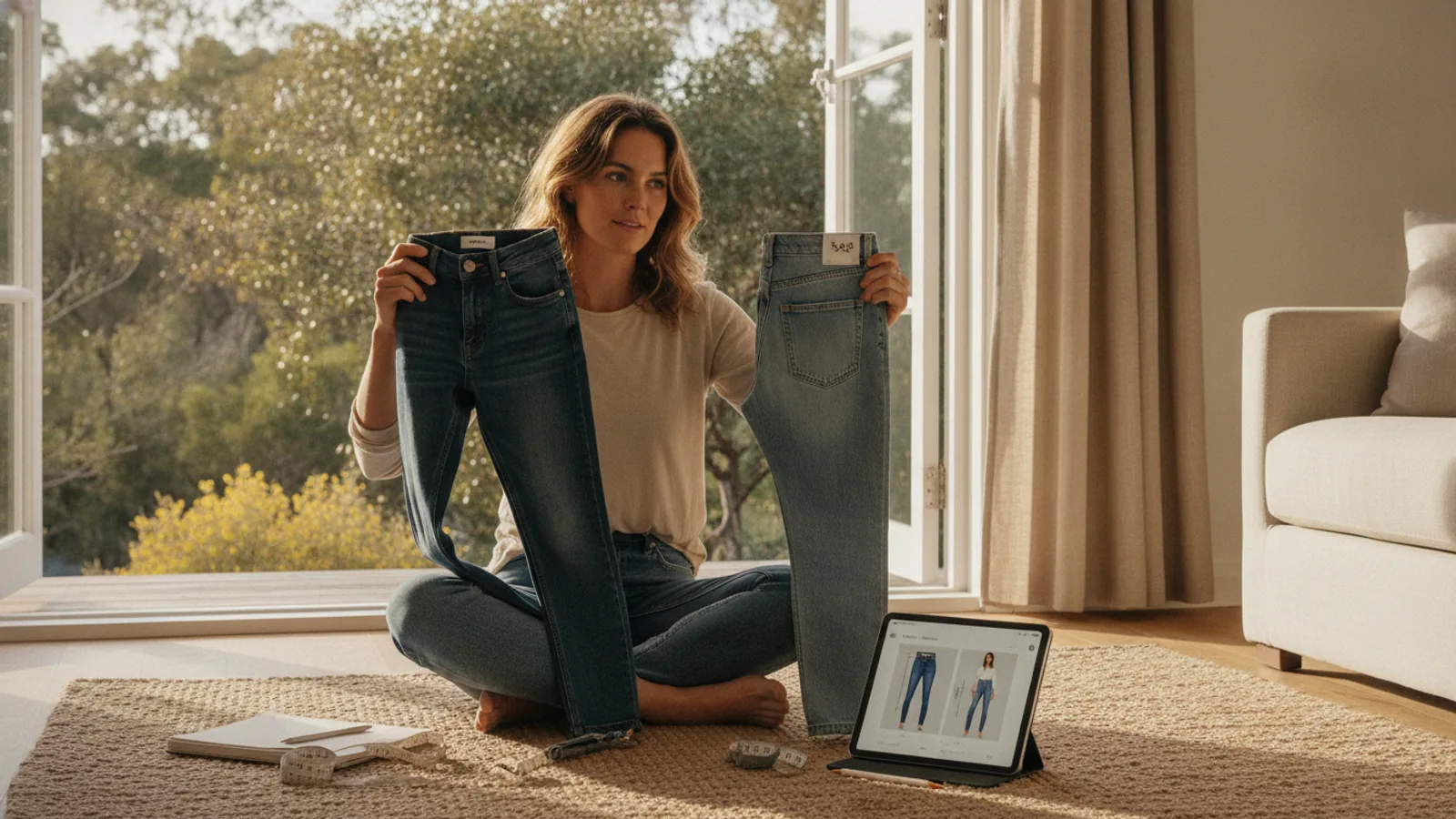
- Gather a notebook or digital document where you can record each label's claims, sources, and any unanswered questions in one place.
- Set aside time to read at least two independent sources per label, because a single brand page rarely tells the whole story.
- Prepare a short list of questions you can send to a label's customer service team, asking for specific facts rather than general promises.
Step-by-Step Instructions
Define your ethical priorities
Begin by writing down the three issues that matter most to you, such as safe working conditions, fair pay, lower environmental impact, or animal welfare. This list becomes your filter. Without it, you may be swayed by attractive marketing that does not address your actual concerns. Next, turn each priority into a question you can ask a label. For example, if fair pay matters, your question might be: how do you verify wages at your factories? If animal welfare matters, ask whether the label uses leather, wool, silk, or down, and where those materials come from. Keep your list short and specific. A practical check is to test each priority against a label's public information. If you cannot find a clear answer, note it as a gap. This step matters because a clear personal benchmark makes later comparisons consistent and saves you from chasing claims that are not relevant to your values.
Build a shortlist from trusted directories
Instead of searching randomly, start with directories that list Australian fashion labels with ethical information. Look for directories run by non-profit organisations, industry associations, or consumer groups that explain their inclusion criteria. When you find a label, check whether the directory states how it verifies claims, such as requiring evidence or independent audits. A useful practical check is to see if the directory page links to the label's own public documents, like a supplier list or a sustainability report. If the directory only shows a logo with no explanation, treat it as a starting point, not proof. This step matters because a curated list reduces the chance of missing smaller labels and helps you avoid relying on a single brand's story. Record each label's name, the directory that listed it, and the date you found it, since information can change over time.
Read the label's own disclosures closely
Go to each shortlisted label's website and look for a section often called sustainability, ethics, or transparency. Your goal is to find specific, checkable facts, not broad statements. Look for named factories or regions, lists of materials with their sources, and descriptions of how the label audits working conditions. A practical check is to see whether the label explains its limits, such as which parts of the supply chain it does not yet track. That kind of honesty is a good sign. Also check whether the label publishes a code of conduct and whether it applies to all suppliers or only some. This step matters because a label that shares detailed information gives you something to verify, while a label that only uses positive words gives you little to work with. Write down any claims you want to confirm later.
Verify claims with independent sources
Now take the claims you recorded and look for outside confirmation. Search for news articles, reports from non-profit organisations, or academic studies that mention the label. Check whether the same facts appear in more than one place. A practical check is to look for a certification directory entry that matches the label's name and the specific facility or product mentioned. If a label says it is certified, find the certifier's own public list and confirm the details, such as the scope of the certification and its expiry date. This step matters because independent sources can reveal gaps, outdated information, or claims that apply only to a small part of a collection. If you cannot find any independent mention, treat the claim as unverified and mark it in your notes. This does not mean the claim is false, but it means you have less reason to trust it yet.
Ask the label direct questions
Send a short, polite message to the label's customer service or ethics contact. Ask for specific information, such as the names of its main factories, the countries where its materials are grown or made, and how it checks working conditions. Avoid yes-or-no questions where possible, because open questions often produce more useful answers. A practical check is to see whether the reply repeats general marketing language or gives concrete details you can verify. Also note how long the label takes to respond and whether it answers every point. This step matters because a label's willingness to engage and provide details is itself a signal of how it approaches transparency. Keep a copy of the reply in your notes. If you do not receive an answer, that is useful information too, and you can decide whether to keep the label on your list.
Compare and decide with a simple scorecard
Create a simple scorecard for each label using your original three priorities. For each priority, give a score based on how much verifiable information you found: no information, some information, or strong independent confirmation. Add a column for how clearly the label responded to your questions. A practical check is to compare labels side by side and see which ones have the most verified details across all priorities. Avoid giving one label a perfect score just because it is strong in one area. This step matters because it turns a large amount of research into a clear, personal decision. Remember that no label is likely to meet every ideal, so decide which gaps you can accept and which are deal-breakers for you. Update your scorecard when you learn new information.
Quick Reference
| Situation | Action | Why it helps |
|---|---|---|
| You find a label with a certification logo but no details. | Search the certifier's official directory for the label's name and check the scope, facility, and expiry date of the certification before trusting the logo. | A logo alone does not show what was certified, and the details may reveal that only a small part of the label's products or operations are covered. |
| A label's website uses vague words like eco-friendly or ethical. | Write down the exact vague phrase and send a message asking for specific facts, such as named factories, fibre sources, or audit results. | Vague language can hide missing information, while a request for specifics helps you see whether the label can back up its claims with checkable details. |
| You cannot find any independent information about a label. | Mark the label as unverified in your notes and look for at least one outside source, such as a non-profit report or a news article, before deciding. | Independent sources reduce the risk of relying on a label's own marketing, and a lack of outside information means you have less basis for trust. |
Common Issues
- The label's public information is outdated or broken links appear.: Check the date on the page and look for a more recent report or update. If links are broken, contact the label and ask for current documents, and note the date you asked so you can follow up if needed.
- You feel overwhelmed by too many labels and too much information.: Reduce your shortlist to three labels at a time and focus only on your top three priorities. Complete the scorecard for those labels before adding more, so your comparison stays manageable and consistent.
- A label gives a positive answer but no evidence you can check.: Reply with a polite request for a specific document, such as a supplier list or an audit summary. If the label cannot provide one, record that gap and treat the original answer as a claim rather than a verified fact.
Advanced Tips
- Look for labels that publish a supplier list with factory names and locations, because this level of detail makes independent verification possible and shows a deeper commitment to transparency.
- Check whether a label's certification covers the whole brand or only a specific product line, since a narrow scope can be easy to miss when you are browsing a website quickly.
- Follow up on a label after several months to see whether its disclosures have improved or changed, because ethical practices and public reporting can shift over time.
Final Checklist
- I have written down my top three ethical priorities and turned each one into a clear question I can ask a label.
- I have checked at least two independent sources for every label on my shortlist, not only the label's own website.
- I have sent direct questions to each shortlisted label and recorded whether the reply was specific and complete.
- I have completed a scorecard for each label and decided which gaps are acceptable and which are deal-breakers for me.
FAQ
How long should this research take?
Expect to spend a few hours on a shortlist of three labels. Reading public disclosures and asking questions takes time, but you can spread the work across several days. Focus on quality over speed, because a careful review of a few labels is more useful than a quick scan of many.
What if a label does not reply to my questions?
A missing reply is information. Note the date you asked and how long you waited. You can send one polite follow-up, but if there is still no answer, treat the label's claims as unverified. You may decide to keep it on your list with a lower score or remove it entirely.
Can I trust a label just because it is Australian?
No. Being Australian does not automatically mean a label meets high ethical standards. Australian labels can source materials and manufacture in other countries, and their practices vary widely. Use the same checks for every label, no matter where it is based, and rely on verifiable details rather than location alone.