How To Care For Leather Handbags In Warm Weather
A practical step-by-step guide to how to care for leather handbags in warm weather, including preparation, instructions, common issues, tips, and next steps.
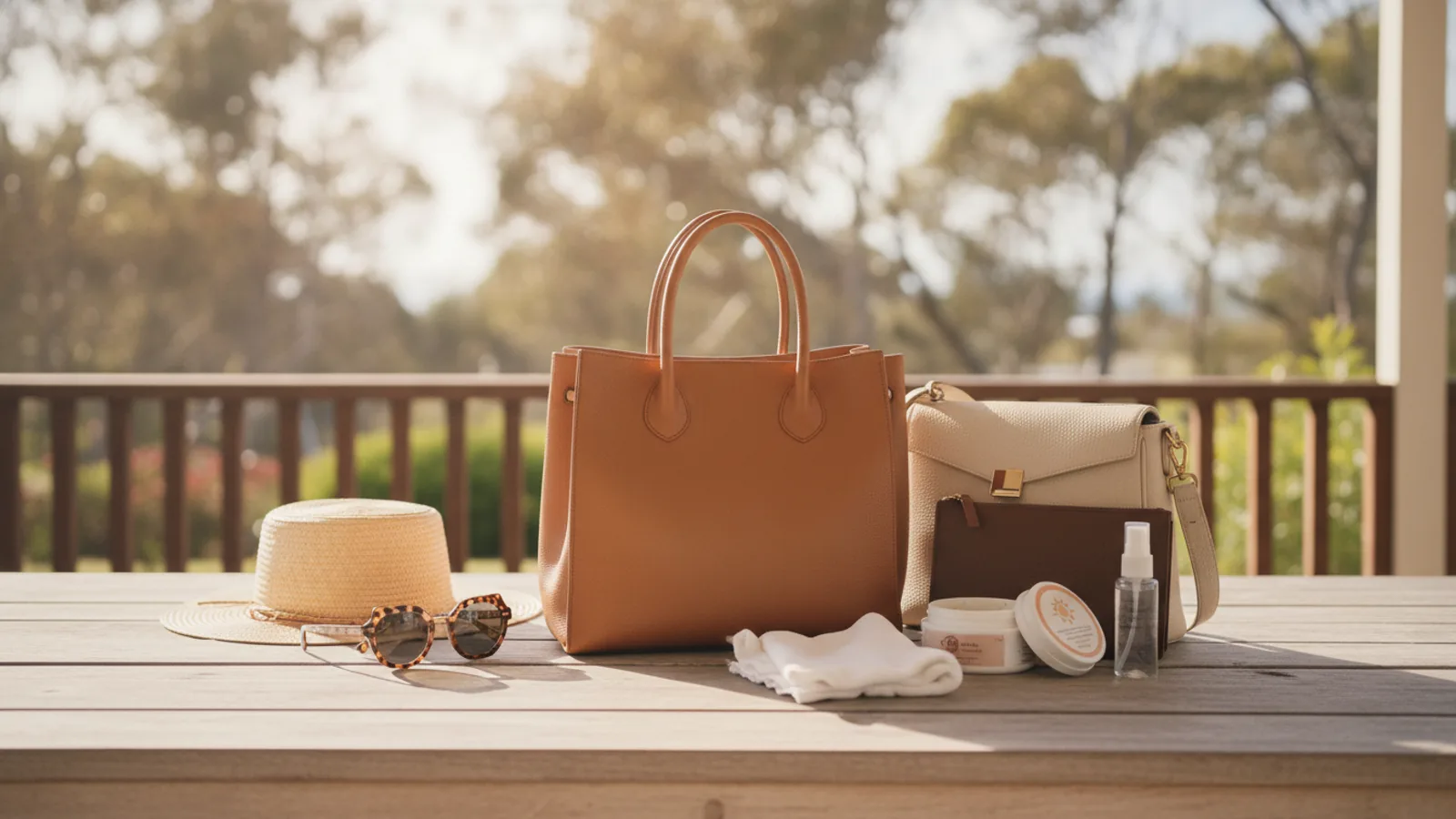
How To Care For Leather Handbags In Warm Weather
Caring for leather handbags in warm weather means protecting them from heat, humidity, sweat, and sun exposure. This guide walks you through daily habits, quick fixes, and long-term storage so your bag stays supple and clean.
Fast Answer
- Wipe your bag with a soft dry cloth after each use to remove sweat and oils before they set.
- Store leather handbags in a cool, dry place away from direct sunlight and heat sources.
Before You Start
- Gather a soft, lint-free cloth, a horsehair brush, a leather conditioner, and a breathable dust bag.
- Check the care label or manufacturer instructions for your specific leather type before applying any product.
- Find a shaded, well-ventilated area indoors where you can work without direct sun or heat.
- Test any cleaner or conditioner on a small hidden area of the bag to check for color change or damage.
Step-by-Step Instructions
Clean the Surface Gently
Start by removing loose dust and dirt from your leather handbag. Use a soft, dry, lint-free cloth to wipe the entire surface with light, circular motions. Pay attention to corners, seams, and the bottom where grime collects. If needed, use a horsehair brush to reach crevices, but keep the pressure gentle. After wiping, inspect the cloth for any residue. A practical check is to run your fingers over the leather: it should feel smooth, not gritty. This step matters because dirt and sweat can act like sandpaper, wearing down the finish and embedding into the grain. Cleaning first also lets you see any stains or damage clearly before you apply conditioners. Do this whenever the bag looks dull or after a day of heavy use in warm weather, ideally once a week during summer.
Condition to Restore Moisture
Warm weather and sun can pull natural oils from leather, leaving it dry and prone to cracking. Apply a small amount of leather conditioner to a soft cloth, then rub it into the leather in thin, even layers. Use circular motions and work in sections, starting with the back and sides. Let the conditioner absorb for a few minutes, then buff off any excess with a clean dry cloth. A practical check is to press a finger into the leather: it should feel slightly pliable, not stiff or brittle. This check matters because over-conditioning can make leather greasy and attract more dirt, while under-conditioning leads to cracks. Condition every four to six weeks in warm weather, or more often if the bag feels dry. Always match the conditioner to your leather type—check the manufacturer's guidance if unsure.
Protect from Sun and Heat
Direct sunlight and high heat can fade color, dry out leather, and weaken adhesives. When you are out, keep your bag in the shade or carry it on the side away from the sun. In a car, never leave it on the dashboard or in direct sun; instead, place it in a shaded footwell or bring it with you. At home, store it away from radiators, heating vents, and windows. A practical check is to touch the leather after it has been in the sun for a few minutes: if it feels hot, it is at risk. This matters because heat damage is often irreversible, causing discoloration and stiffness. Use a parasol or a light scarf over the bag if you must be in the sun for long periods. Rotate your bags so no single one gets constant exposure.
Handle Sweat and Humidity
Sweat contains salts and oils that can stain or degrade leather, especially in humid weather. If your hands or arms are sweaty, wipe them before touching the bag. After carrying, wipe the handles and straps with a soft, slightly damp cloth, then dry immediately with a dry cloth. For humid days, allow the bag to air out in a cool, ventilated room for an hour before storing. A practical check is to smell the interior: a musty odor means moisture is trapped. This check matters because trapped moisture encourages mold, which can permanently stain the lining and leather. Avoid using plastic bags for storage, as they trap humidity. Instead, use a breathable dust bag. If the bag gets wet from rain or sweat, blot it dry and let it air dry away from heat.
Store Properly for the Season
When you are not using your leather handbag, store it in a cool, dry, dark place. Stuff the bag with acid-free tissue paper or clean, white cloth to help it hold its shape. Avoid newspaper, which can transfer ink. Place the bag in a breathable cotton dust bag, not a plastic one. If you stack bags, put the heaviest at the bottom and use padding between them. A practical check is to check the bag every few weeks: look for mold, dryness, or shape loss. This check matters because early detection lets you fix problems before they become permanent. In warm, humid climates, consider storing bags in an air-conditioned room or a dehumidified closet. Keep straps and handles from pressing into the leather, as this can cause indentations over time.
Address Stains and Spills Quickly
If a spill or stain happens, act fast but gently. Blot, do not rub, the area with a clean, dry cloth to absorb as much liquid as possible. For oil-based stains, sprinkle a small amount of cornstarch on the spot and let it sit for a few hours to absorb the oil, then brush it off. For water-based stains, wipe with a slightly damp cloth and dry immediately. A practical check is to see if the stain lightens after blotting; if it does not, do not keep scrubbing. This matters because rubbing can spread the stain and damage the leather grain. If the stain persists, consult a professional leather cleaner. Never use household cleaners, vinegar, or alcohol unless the manufacturer explicitly approves them. After treating, condition the area lightly to restore moisture.
Quick Reference
| Situation | Action | Why it helps |
|---|---|---|
| Your bag feels hot after being in the sun. | Move it to a cool, shaded area and let it cool down gradually before touching or conditioning it. | Sudden temperature changes can cause leather to contract or crack, so gradual cooling helps prevent damage. |
| You notice a musty smell inside the bag. | Empty the bag, wipe the interior with a dry cloth, and let it air out in a well-ventilated room for several hours. | Musty smells indicate trapped moisture, which can lead to mold growth and permanent stains if not addressed. |
| The leather looks dry or feels stiff. | Apply a small amount of leather conditioner with a soft cloth, let it absorb, then buff off any excess. | Dry leather is prone to cracking, and conditioning restores flexibility and prevents long-term damage. |
Common Issues
- Color fading from sun exposure: Move the bag out of direct sunlight immediately. Use a leather conditioner with UV protection if available, and store the bag in a dark place when not in use. For significant fading, consult a professional leather restorer.
- Mold growth from humidity: Wipe the mold off with a dry cloth in a well-ventilated area, then clean the area with a diluted white vinegar solution if the manufacturer allows. Dry thoroughly and store with a silica gel packet. If mold returns, seek professional help.
- Sweat stains on handles: Blot the area with a dry cloth, then wipe with a slightly damp cloth and dry immediately. For stubborn stains, use a leather cleaner specifically for sweat and oils, but test on a hidden area first. Condition after cleaning.
Advanced Tips
- Rotate your handbags every few days to give each one a rest and reduce wear from constant use.
- Use a leather protector spray before the warm season starts to add a layer of defense against moisture and stains.
- For light-colored bags, avoid wearing dark denim or new clothing that may transfer dye onto the leather.
Final Checklist
- Wipe your bag with a soft dry cloth after every use to remove sweat and dust.
- Condition the leather every four to six weeks during warm weather.
- Store your bag in a cool, dry, dark place in a breathable dust bag.
- Check regularly for signs of mold, dryness, or fading and address issues promptly.
FAQ
Can I use baby wipes on my leather bag?
Baby wipes often contain chemicals, alcohol, or oils that can damage leather. It is safer to use a soft, damp cloth with water only, then dry immediately. Always check the manufacturer's care instructions for your specific bag before using any product.
How often should I condition my leather bag in summer?
In warm weather, conditioning every four to six weeks is usually enough. If the bag feels dry or stiff, condition more often. Over-conditioning can make leather greasy, so always test on a small area first and follow the product directions.
What should I do if my leather bag gets wet from rain?
Blot the bag with a dry cloth to remove excess water, then let it air dry naturally away from heat or direct sun. Do not use a hair dryer or radiator, as heat can crack the leather. Once dry, condition lightly to restore moisture.