How To Read A Fashion Sale Price Before You Buy
A practical step-by-step guide to how to read a fashion sale price before you buy, including preparation, instructions, common issues, tips, and next steps.
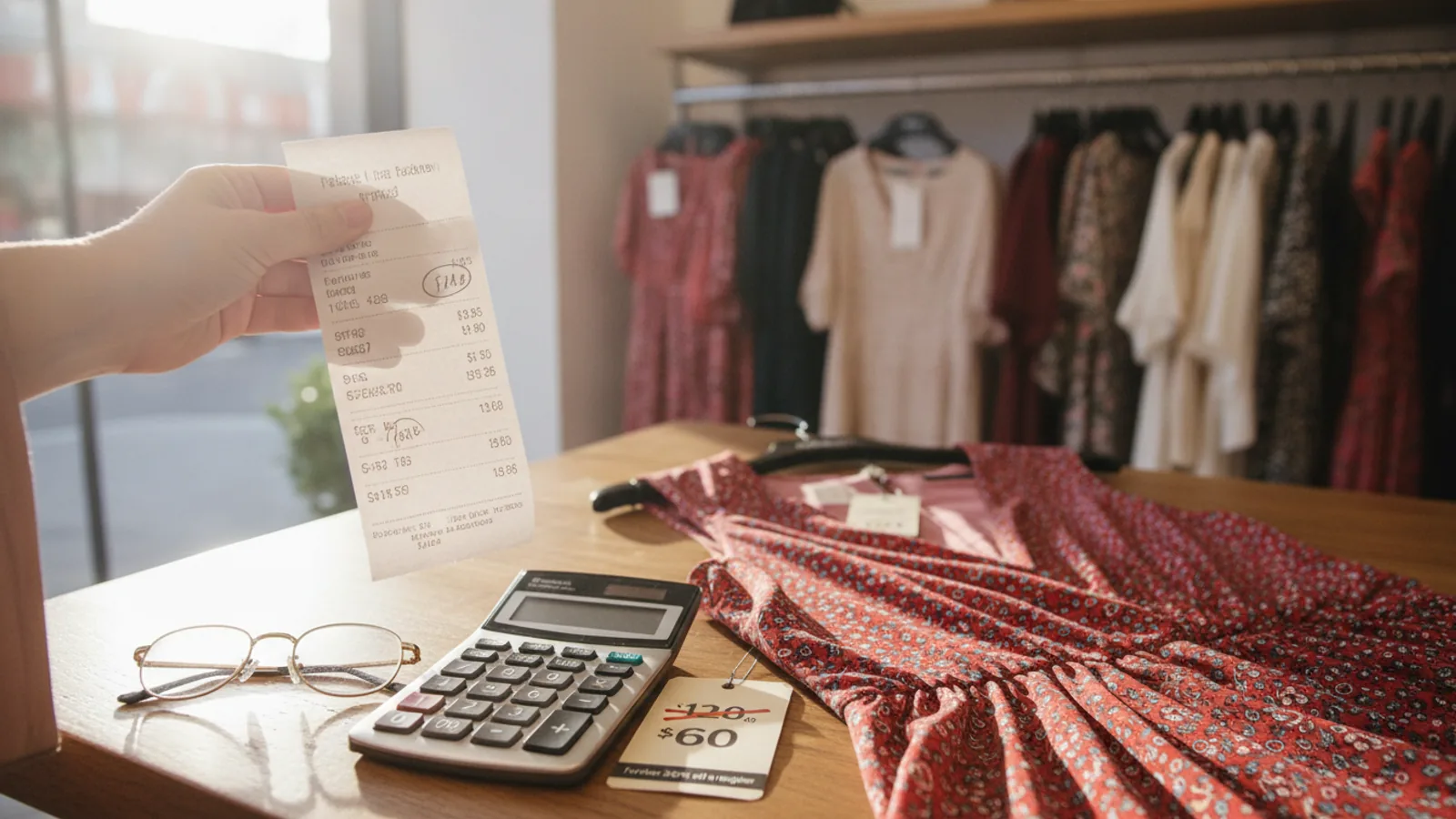
How To Read A Fashion Sale Price Before You Buy
A practical guide to reading a fashion sale price before you buy, so you can tell a genuine markdown from a cosmetic discount. You will learn how to separate the original price, the current price, and the percentage off, confirm what the final total includes, and decide calmly whether the item is worth it at the price you will actually pay.
Fast Answer
- Read the three numbers in order: original price, current price, then the stated percentage off, and confirm they agree with each other.
- Confirm the final total after any tax, delivery cost, fees, and return conditions before deciding, because the displayed price is not always the amount you pay.
Before You Start
- Have your device or notebook ready so you can note the original price, current price, stated discount, and final total for each item you are considering.
- Decide your true spending limit in advance and write it down, so a tempting percentage cannot move your limit while you shop.
- Note your usual size and preferred fit in this type of garment, because a fitting issue can cancel any saving a low price appears to offer.
- Check the return window, refund method, and who pays return shipping for sale items, since these rules often differ from full-price purchases.
Step-by-Step Instructions
Locate the original and current prices
Start by finding the original price and the current price on the item page or label. These are usually shown together, but the order and wording vary, so read carefully rather than assuming the larger number is the original. Write both numbers down before you look at any percentage, because the percentage is calculated from them and can distract you from the actual amounts. Next, identify which number you will actually pay at checkout. If a membership discount, coupon, or automatic reduction is applied only in the cart, the displayed price is not final. Confirm the current price again after the item is in your cart. This check matters because a headline percentage can hide a small real reduction, and reading the two base numbers first keeps your decision grounded in what you will pay.
Verify the stated percentage against the numbers
Now test the advertised percentage against the two prices you wrote down. Mentally estimate the discount: ten percent is a tenth of the original price, a quarter is twenty-five percent, and half is fifty percent. Compare your estimate with the stated percentage. A large gap suggests the percentage may be based on a different reference price, an older or higher price, or a bundle rather than this single item. If the store shows a comparison price, check whether that price was ever actually charged by looking at the item history when available. Do not accept a percentage at face value just because it looks generous. This check matters because some discounts are calculated from inflated or outdated reference prices, which makes the saving look bigger than the money you actually keep.
Check what the final total includes
Look at the full order summary, not just the item price. Add delivery, any small-order fee, tax, and any service charge shown at checkout. Then compare that final total with the current item price. A discount can shrink or disappear once these costs are added, especially on low-priced items where delivery is a large share of the total. Check whether free delivery has a minimum spend, and note the amount, because adding one more item to reach it may cost more than the delivery you avoid. Confirm whether the tax shown is an estimate or final. This check matters because the number you pay is the final total, not the item price, and comparing the two keeps you from treating a small saving as a large one.
Read the return and exchange conditions
Open the return policy for the specific item before you pay, because sale, clearance, and final-sale products often follow different rules from full-price stock. Find the return window, who pays return shipping, whether you receive a refund or only store credit, and whether the item must be unworn with tags attached. Check whether the policy applies to this product category at all, since some categories are excluded. Write down the deadline date so you can act within it if needed. If the item is final sale and cannot be returned, weigh that risk against the saving. This check matters because a discount on an item you cannot return is only a good deal if the size and fit are almost certain to work for you, and the policy tells you how much risk you are accepting.
Judge value by cost per wear, not by percentage
Estimate how often you will realistically wear the item and divide the current price by that number to get a rough cost per wear. A discounted jacket you wear often can be better value than a deeply discounted item you wear once. Consider whether it fits your existing clothes, suits the season ahead, and needs alterations that add cost and effort. Ask whether you would still want it at the current price if no percentage were shown. If the answer is no, the discount is doing the persuading, not the item. This check matters because a percentage describes the reduction, not the usefulness of the purchase, and many regretted buys are cheap per item but expensive per wear.
Confirm the charge and keep the record
Before paying, review the final order summary one more time and confirm the total matches what you expect. Check the size, colour, quantity, and delivery address, since correcting these after purchase can be difficult on sale stock. Pay, then keep the confirmation message and receipt in one place, along with the return deadline you noted earlier. When the item arrives, inspect it promptly and try it on while the return window is still open. If you decide to return it, follow the stated process and keep proof of posting. This check matters because mistakes made at checkout are easiest to fix immediately, and sale items can sell out, so a replacement may not be available if you wait.
Quick Reference
| Situation | Action | Why it helps |
|---|---|---|
| The item page shows a very large percentage off but no clear original price. | Write down the stated percentage and the current price, estimate the original price from them, then check the cart summary to see whether that original price appears anywhere as a real reference. | A percentage without a visible reference price can be calculated from an inflated figure, so estimating and checking it yourself shows whether the saving is real. |
| You reach checkout and the total is higher than the item price you saw earlier. | List each added cost shown in the summary, compare their sum with the difference you noticed, and decide whether the item is still worth the final total. | Delivery, tax, and fees can absorb a discount, so judging the purchase by the final total prevents a small saving from looking larger than it is. |
| The product is marked final sale and you are unsure about the size. | Check the size chart and your own measurements, read the return terms for this item, and decide whether you can accept the risk of no return before paying. | Final sale removes your safety net, so confirming fit in advance is the only protection, and the terms tell you exactly what risk you are accepting. |
Common Issues
- The advertised percentage does not match the two prices shown.: Recheck the original price, the current price, and the stated discount, then estimate the percentage yourself to see which number is misleading. If the gap remains, treat the current price as the only reliable figure and decide on that amount alone.
- The final total at checkout is higher than the item price you expected to pay.: Open the full order summary and read each line, including delivery, tax, and any service fee, then compare the total with your spending limit. If the total no longer fits your limit, remove the item rather than adjusting your limit to match the discount.
- The return window or conditions differ from what you assumed for sale items.: Read the specific item's return terms before paying and note the deadline, who pays return shipping, and whether you get a refund or store credit. If the terms are unclear, ask the seller in writing before you buy, and keep their reply.
Advanced Tips
- Track a few items in a notebook or note file for several weeks so you can recognise whether a listed original price is stable or quietly changing.
- Compare the final total across two sizes or colours of the same item, because discounts and delivery rules sometimes apply to one variant but not another.
- Set a cooling-off rule for discounts above a certain size, waiting a day before paying, which separates genuine need from excitement at a low price.
- Check the care instructions and material composition on sale items, since a low price plus high upkeep or dry cleaning can outweigh the saving over time.
Final Checklist
- I have written down the original price, the current price, and the stated percentage, and the three figures agree.
- I have reviewed the full order summary, including delivery, tax, and any fees, and the final total fits my spending limit.
- I have read the return window and conditions for this exact item and know whether returns are possible.
- I have kept the order confirmation and noted the return deadline so I can act in time if the item does not suit.
FAQ
Why does the advertised discount sometimes look bigger than it really is?
Some discounts are calculated from a comparison price that was higher or older than the price most people actually paid. When that reference price is inflated, the percentage grows even though the money you pay has not fallen by the same amount. Reading the original and current prices yourself, then estimating the percentage, shows the true reduction and keeps your decision based on the amount you will actually spend.
Should I buy a final sale item I am unsure about?
Only if you are confident about the size and fit and can accept that the purchase may be final. Check the size chart against your own measurements, read the item's return terms, and weigh the saving against the chance of losing the full amount. If the fit is uncertain and returns are not allowed, it is usually calmer to wait for a version you can return or try in person.
How do I know the price I see is the price I will pay?
Treat the item page as an estimate and the order summary as the real figure. Add delivery, tax, and any service charge shown at checkout, then compare that total with the item price. If membership, coupon, or automatic reductions appear only in the cart, confirm them there before paying. The checkout total, not the displayed discount, is the amount that will leave your account.