How To Choose An Australian Wedding Guest Outfit You Will Wear Again
A practical step-by-step guide to how to choose an Australian wedding guest outfit you will wear again, including preparation, instructions, common issues, tips, and next steps.
How To Choose An Australian Wedding Guest Outfit You Will Wear Again
Choosing an Australian wedding guest outfit you will wear again starts with reading the invitation for dress code and venue, then prioritising breathable fabrics and layers that suit Australian weather. Set a clear budget, choose versatile colours and silhouettes, and test the full look in advance. After the event, care for the outfit so it stays ready for future occasions. This guide gives you a practical order to follow, checks to make, and ways to avoid common mistakes without relying on trends or guesswork.
Fast Answer
- Start by checking the invitation and venue for dress code and likely weather, then build one outfit from pieces you can rewear separately.
- Choose a breathable fabric with a removable layer, test the full look with shoes and undergarments, and plan care after the event.
Before You Start
- Read the invitation twice and write down the dress code, ceremony time, venue type, and any cultural or formal requirements mentioned.
- Check the forecast for the wedding location and season, then note expected temperature, rain chance, and whether the event is indoors or outdoors.
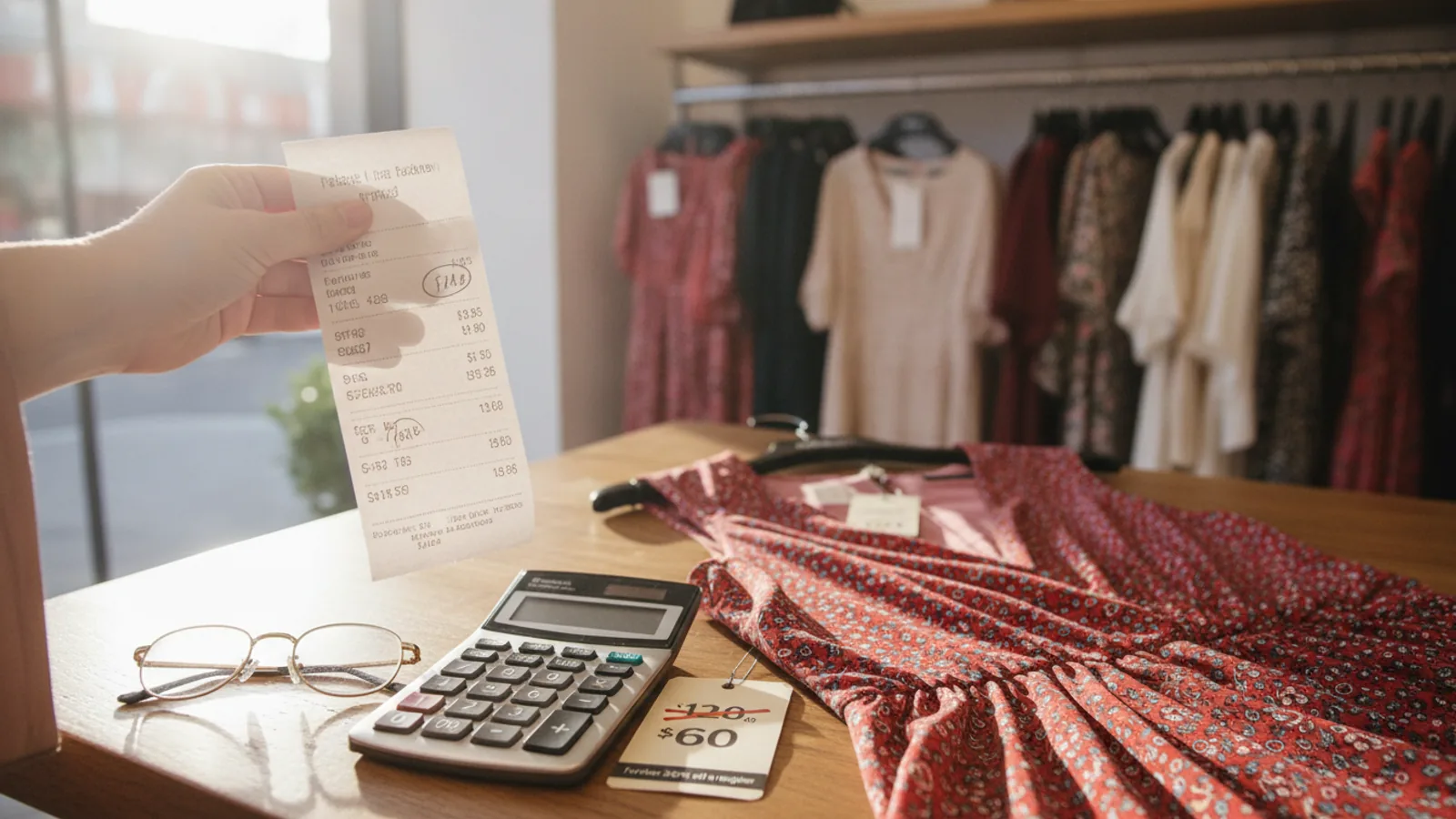
- Set a total spending limit for the outfit and decide which items you can reuse from your wardrobe before buying anything new.
- Prepare a fitting session at home with the exact shoes, undergarments, and accessories you plan to wear so you can test comfort and movement.
Step-by-Step Instructions
Decode the invitation and dress code
Read every part of the invitation and note the dress code words exactly. Look for terms like formal, semi-formal, cocktail, garden, beach, or black tie optional, because each sets a different level of formality. Check the ceremony time and venue type: a morning garden ceremony usually allows lighter colours and fabrics, while an evening city reception calls for deeper tones and more structure. Write these details in one place so you can compare them with your wardrobe. If the invitation is unclear, ask the couple or a close member of the wedding party rather than guessing. This matters because the same outfit can feel wrong at a beach ceremony and right at an indoor reception. A simple written note prevents expensive mistakes and helps you choose pieces you can wear again.
Plan for Australian weather and venue
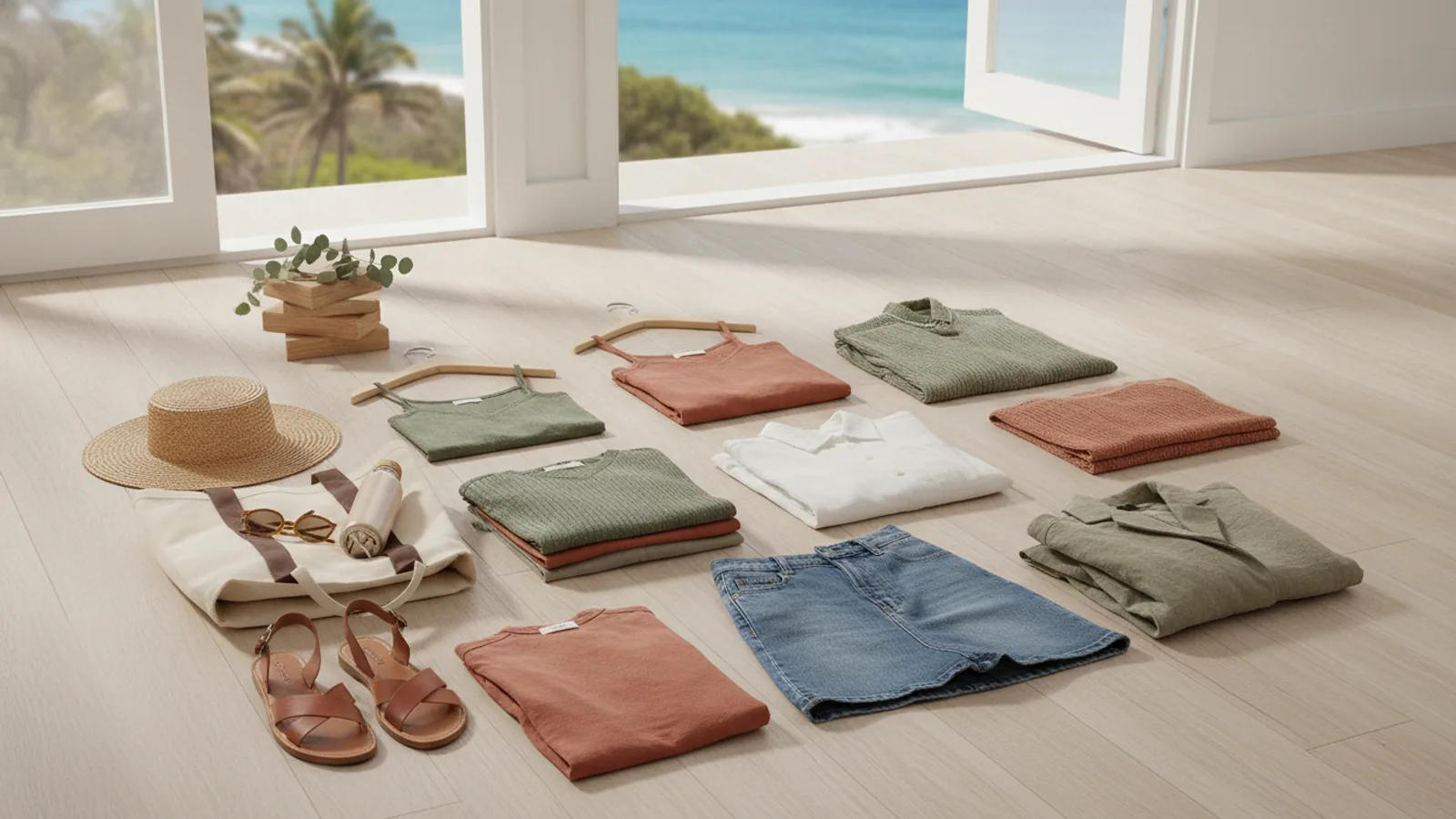
Australian weddings can swing from hot and dry to cool and wet, sometimes on the same day. Check the forecast for the location and season, then plan layers rather than one heavy piece. For warm weather, choose natural or breathable fabrics and a loose cut that allows air to move. For cool weather, add a light jacket, wrap, or tailored coat that you can remove indoors. If the event is outdoors, consider grass, sand, or uneven ground when choosing shoes, and avoid long hems that drag. A removable layer is the key because it lets you adjust without changing the whole outfit. This check matters because comfort affects how long you stay and how confident you feel. Testing your layers together also shows whether they look intentional rather than added at the last minute.
Choose reusable colours and fabrics
Pick a base colour that suits your skin tone and already appears in your wardrobe, such as navy, charcoal, olive, burgundy, or a soft neutral. These colours are easy to rewear for dinners, work events, or other celebrations. Avoid single-use shades that only match one theme, unless you truly love them. For fabric, look for breathable options like cotton blends, linen blends, viscose, or lightweight wool, depending on the season. Check the care label before buying: a fabric that needs special cleaning may cost more to maintain and may sit unworn. Hold the fabric up to light to see if it is too sheer, and squeeze it gently to see if it creases badly. This step matters because a versatile colour and easy-care fabric turn a wedding outfit into a regular wardrobe piece.
Test the full outfit for comfort and fit
Put on the complete outfit at home, including the exact shoes, undergarments, and accessories you plan to wear. Walk around, sit down, stand up, and raise your arms as if dancing. Check that the waistband does not dig in, the hem does not trip you, and the neckline stays in place when you move. Look in a full-length mirror from the front, side, and back, and take a photo in natural light to see how the colours read. If anything pinches, slips, or needs constant adjustment, fix it now or choose a different piece. This matters because small fit problems become painful after a few hours. A proper test also reveals whether your shoes need breaking in or your undergarments show through, so you can solve those issues before the event.
Balance formality with personal style
Match the level of formality first, then add your own style through accessories, colour, or a subtle detail. For a formal wedding, choose a well-cut dress, suit, or tailored separates in a refined fabric. For a semi-formal or garden wedding, you can relax the fabric and shape while keeping the look neat. Use one statement piece, such as a bold earring, a patterned scarf, or a distinctive shoe, and keep the rest simple. This approach stops the outfit from looking like a costume and makes it easier to rewear. Check that your choices do not compete with the couple or the wedding party, especially if there is a set colour theme. The goal is to feel like yourself while respecting the occasion. When you can wear the same core pieces to a dinner or a work event, the outfit earns its place.
Plan care and rewear after the event
Before the wedding, read the care label and decide how you will clean the outfit. If it needs dry cleaning, find a service nearby and check the turnaround time so it is not left unworn for weeks. If it is washable, test a small hidden area first to avoid colour bleeding or shrinkage. After the event, treat any stains as soon as possible and hang the outfit to air before storing it. Store it on a padded hanger or folded with acid-free tissue to keep its shape. Then plan at least two future occasions where you can wear it again, such as a dinner, a birthday, or a work event. This matters because an outfit that is difficult to clean or store often stays in the wardrobe. A simple care plan protects your investment and makes repeat wear easy.
Quick Reference
| Situation | Action | Why it helps |
|---|---|---|
| The invitation says garden formal but the forecast is hot and humid. | Choose a breathable formal fabric in a midi or maxi length, add a light removable wrap for air-conditioned areas, and test the outfit while sitting and walking on grass. | This combination respects the formal dress code while preventing overheating and gives you flexibility if the temperature drops or you move indoors. |
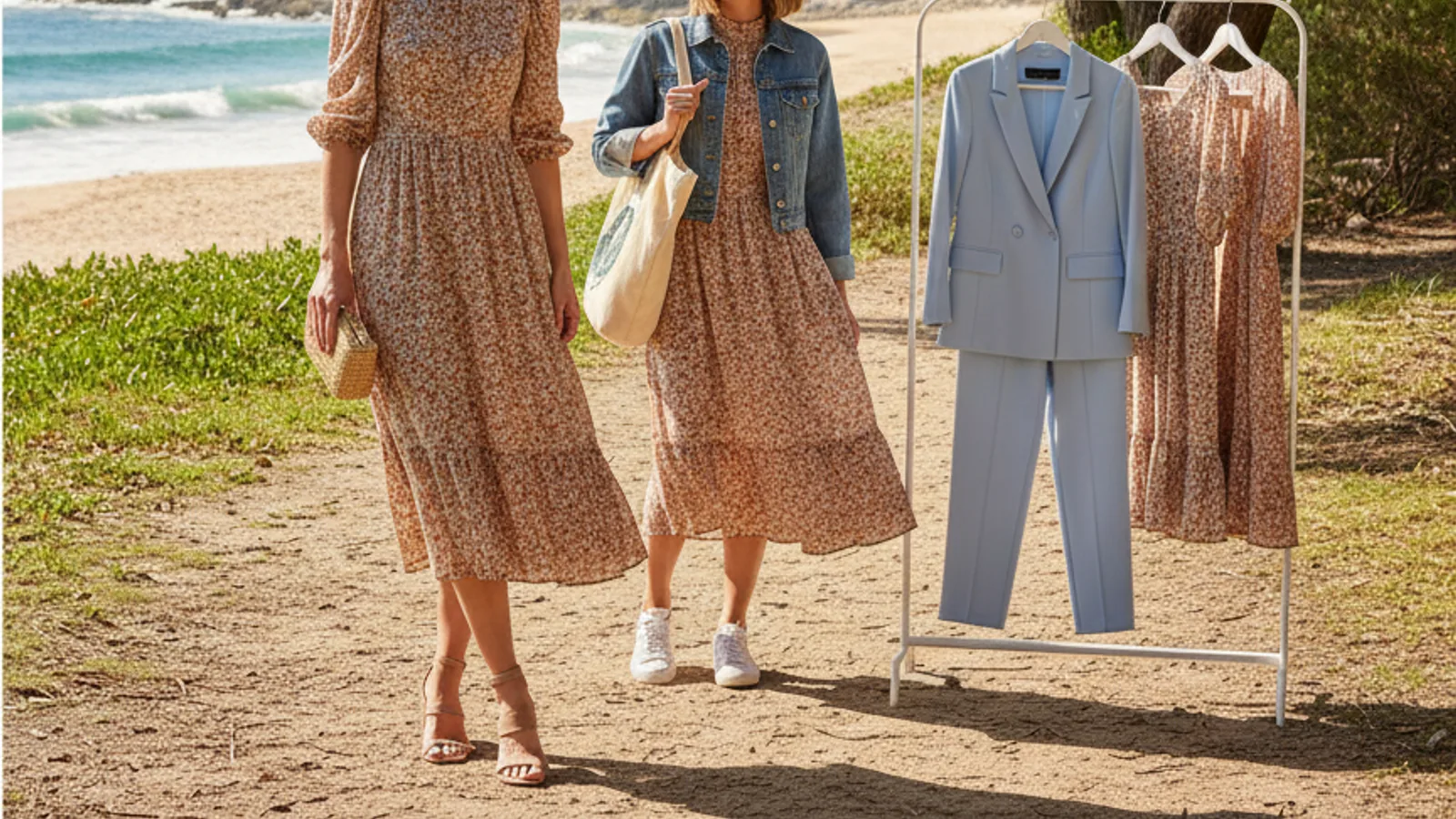
| You want one outfit that works for a wedding and a future work event. | Pick a tailored separate or a simple dress in a solid neutral colour, then change the accessories and shoes to shift the formality for each occasion. | Solid neutrals and simple shapes are easier to restyle than bold patterns or heavily themed pieces, so you get more wears from the same core items. |
| You are unsure whether your shoes will survive an outdoor ceremony. | Test the shoes on grass, gravel, and smooth floors before the event, and bring a spare pair of comfortable flats in a bag if the venue has uneven ground. | Checking real surfaces prevents sinking, slipping, or ruining the shoes, and a spare pair protects your feet if the ceremony site is rough. |
Common Issues
- The outfit fits when standing but feels tight when sitting.: Try the outfit while sitting for several minutes, then check the waist and hips for pressure. If it digs in, choose a different size or look for a fabric with a small amount of stretch. A tailor can also let out a seam if there is enough fabric allowance.
- The colour looks different in the shop than at home.: Take a photo of the fabric in natural daylight and compare it with your wardrobe. Check it under warm and cool indoor lighting too. If the colour only works in one light, it may be hard to rewear, so consider a more neutral tone.
- You bought the outfit but now the dress code seems wrong.: Contact the couple or a member of the wedding party and ask a direct question about the expected formality. If you cannot change the outfit, adjust it with accessories, shoes, or a layer to move it closer to the right level without buying something new.
Advanced Tips
- Build a small capsule of wedding-guest pieces in two or three versatile colours so you can mix and match for different dress codes and seasons.
- Take a full-length photo of the complete outfit in daylight and keep it with your notes so you can repeat the look or adjust it quickly for another event.
- Choose a tailor who can make small adjustments like hem length or waist fit, because a minor alteration often turns a nearly-right outfit into a regularly worn one.
Final Checklist
- Confirm the dress code, venue, ceremony time, and any cultural requirements written on the invitation.
- Test the full outfit with the exact shoes, undergarments, and accessories for at least thirty minutes at home.
- Check the weather forecast and prepare a removable layer that suits both indoor and outdoor conditions.
- Plan how you will clean and store the outfit after the event, and identify at least two future occasions to wear it again.
FAQ
Can I wear the same outfit to multiple weddings?
Yes, you can wear the same outfit to multiple weddings if you change the accessories, shoes, and layers to suit each dress code and venue. Keep the core pieces in a versatile colour and fabric, and check each invitation for any specific requirements. Avoid repeating the exact same look for the same guest group if you prefer variety, but rewear is practical and reduces waste.
What should I do if the dress code is unclear?
Ask the couple or a member of the wedding party for a direct clarification. If you cannot reach them, choose a middle level of formality such as a tailored separate or a simple dress in a solid colour, and add a layer or accessory to adjust. It is better to ask than to guess and feel out of place.
How do I make a wedding outfit comfortable for a long day?
Test the full outfit at home while sitting, standing, walking, and dancing. Choose breathable fabrics with a little stretch, avoid tight waistbands, and break in your shoes before the event. Bring a small kit with blister patches, a stain remover wipe, and a safety pin. A removable layer helps you adjust to changing temperatures without changing the whole outfit.