How To Make Office To Dinner Outfits Feel Intentional
A practical step-by-step guide to how to make office to dinner outfits feel intentional, including preparation, instructions, common issues, tips, and next steps.
How To Make Office To Dinner Outfits Feel Intentional
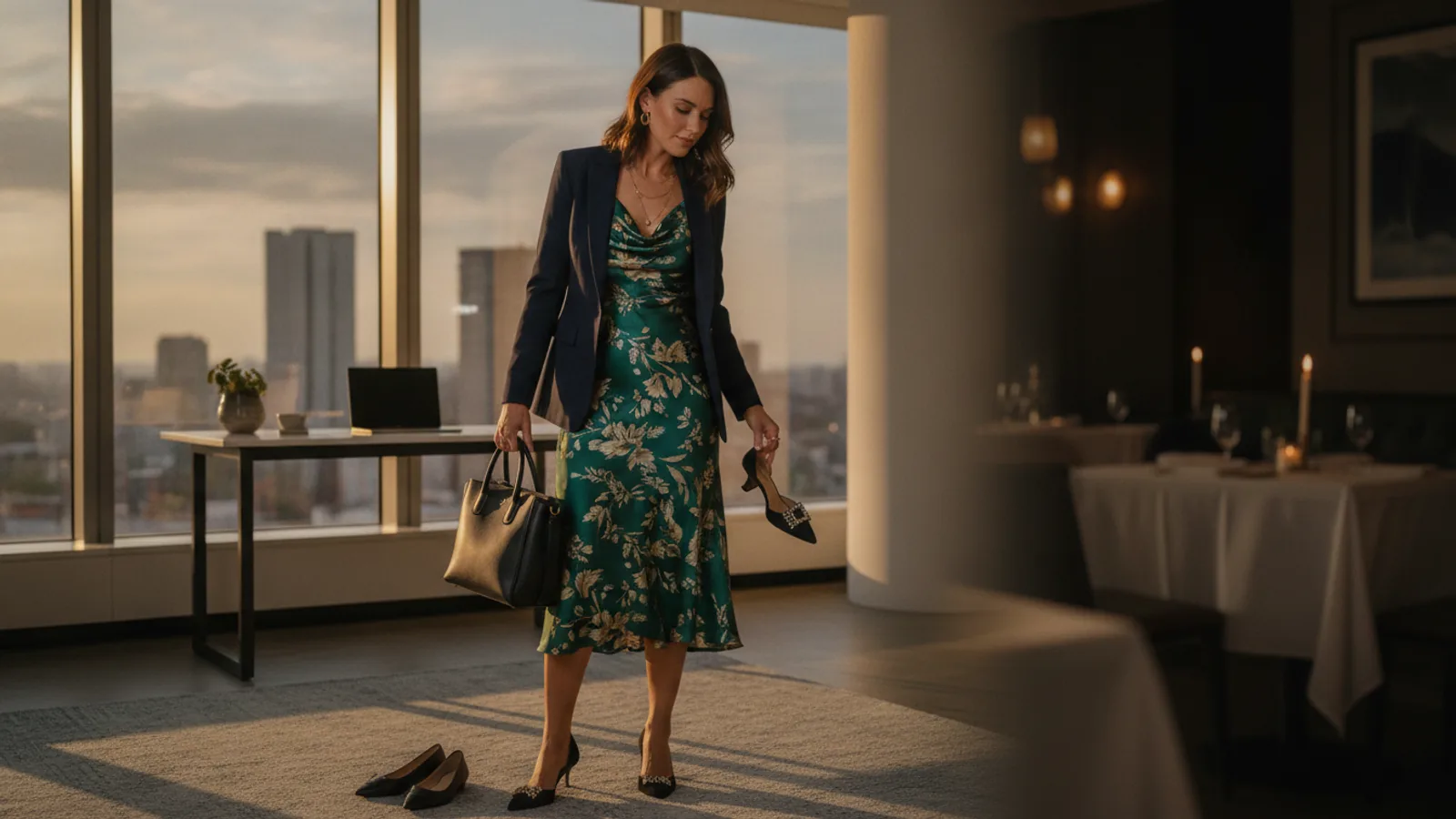
This guide helps you turn a work outfit into a polished dinner look without changing everything. You will learn to adjust layers, accessories, and details so your transition feels deliberate, comfortable, and appropriate for both settings. The focus is on planning ahead, using small tweaks, and checking your reflection and comfort before you leave.
Fast Answer
- Swap one work piece for a more relaxed or dressy item, like changing a structured blazer to a softer cardigan or swapping flats for low heels.
- Add a small accessory that shifts the mood, such as a bold necklace, a silk scarf, or a clutch, and remove one work-only element like a lanyard.
Before You Start
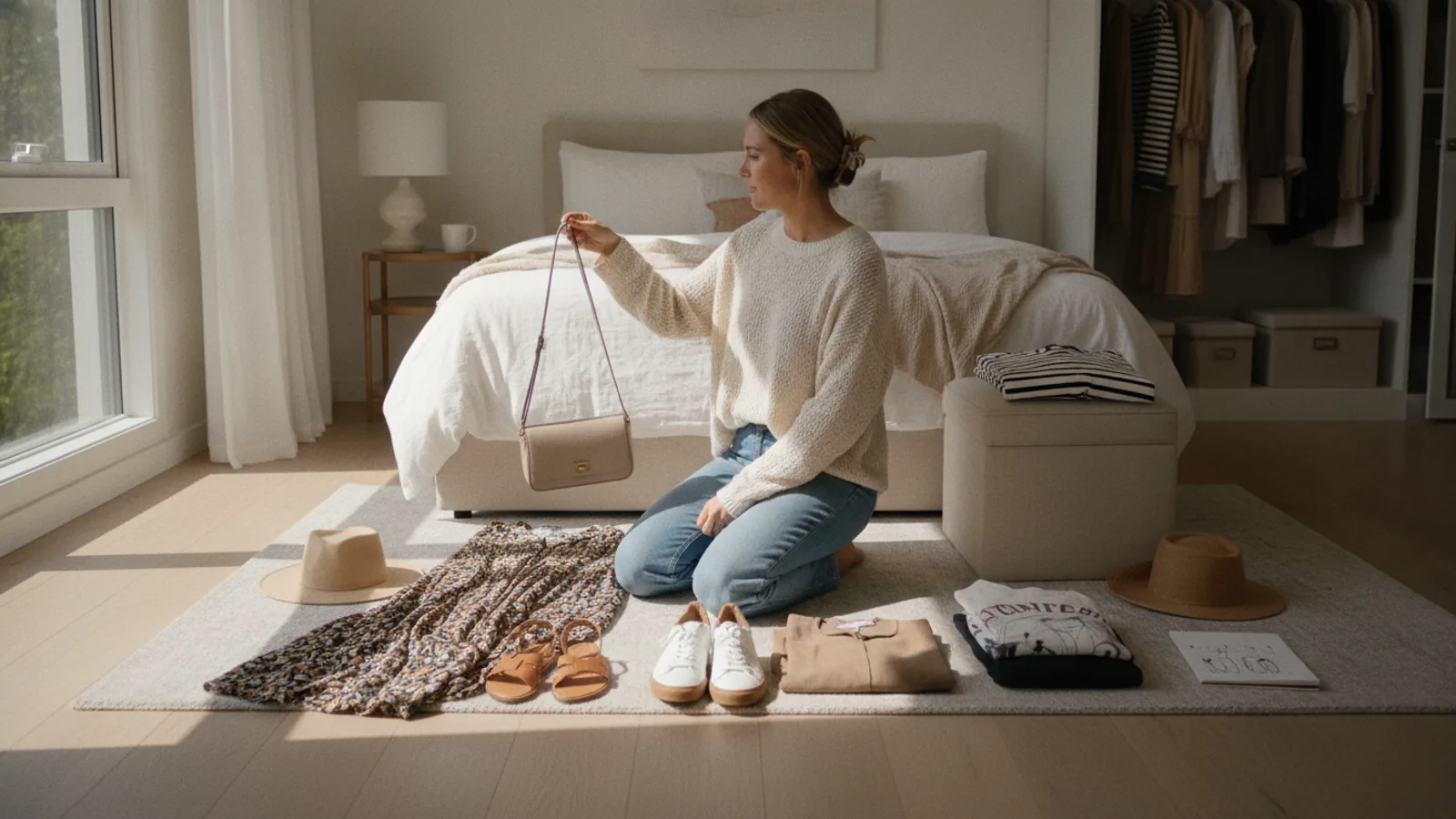
- Choose your base outfit the night before, selecting pieces that work for both office and dinner, such as dark trousers and a neutral top. Lay them out to save time.
- Pack a small transition kit in your bag: a clutch or small purse, a piece of jewelry, and a lint roller. This kit makes changes quick and reduces stress.
- Check the dinner venue's dress code and your calendar for after-work events. Knowing the setting helps you decide how dressy or casual to go.
- Steam or iron your key pieces in advance so they look crisp. Wrinkles make any outfit look less intentional, even if the pieces are stylish.
Step-by-Step Instructions
Start with a dual-purpose base
Begin by selecting a base outfit that works for both environments. Choose pieces in neutral colors and simple cuts, like dark trousers, a plain blouse, or a sheath dress. These items look professional in the office and can be dressed up or down for dinner. Avoid loud prints or overly casual items like gym shoes or graphic tees. The goal is to create a foundation that doesn't need a full change. A practical check is to ask yourself if you would feel comfortable wearing this base to a casual lunch with friends and to a meeting with your boss. If yes, it's likely versatile enough. This check matters because it ensures you won't need to replace everything later, saving time and reducing stress. Once you have your base, you can focus on small tweaks.
Add or swap one layer
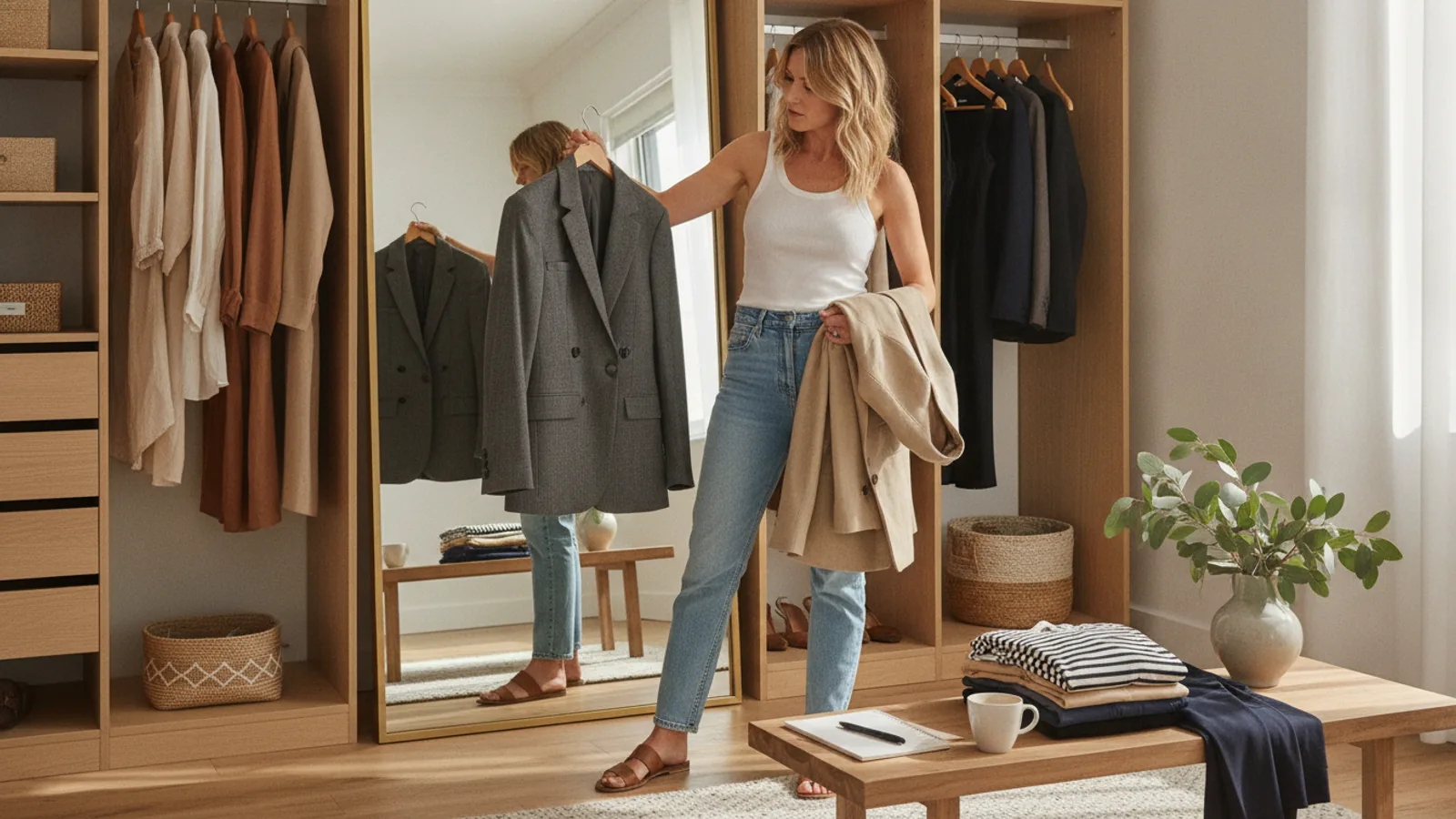
Layers are the easiest way to shift an outfit's mood. For the office, you might wear a structured blazer or a crisp cardigan. For dinner, swap that layer for something softer or more relaxed, like a draped wrap or a leather jacket. If you prefer not to carry an extra layer, simply remove your blazer and roll up your sleeves for a more casual vibe. The key is to make one deliberate change rather than many. A practical check is to look in a mirror after the swap and see if the new layer changes the overall feel from professional to social. This check matters because it confirms that the adjustment is noticeable but not jarring. Remember, you want to look like you planned the transition, not like you forgot to change.
Adjust your accessories
Accessories can transform an outfit with minimal effort. In the office, you might wear simple studs and a watch. For dinner, add a statement necklace, swap studs for dangling earrings, or add a bold bracelet. Also consider swapping your work bag for a clutch or a smaller purse. Remove any work-specific items like a lanyard or name badge. A practical check is to see if your accessories now feel more festive or social without being over the top. This check matters because accessories set the tone, and the wrong ones can make you look like you're still at work. Keep the rest of your outfit simple so the accessories stand out. If you're unsure, add one piece at a time and evaluate.
Change your shoes
Footwear strongly influences the formality of an outfit. Office shoes are often practical and comfortable, like loafers or flats. For dinner, you might switch to heels, dressy sandals, or stylish boots. If you need to walk far, consider comfortable heels or dressy flats that still look elegant. Keep a pair of dinner shoes at your desk or in your car if you have a long commute. A practical check is to walk a few steps in the new shoes to ensure they are comfortable and safe for the evening. This check matters because uncomfortable shoes can ruin your night and make you look less confident. Also, make sure the shoes match the rest of your outfit in color and style. A simple swap can make a big difference.
Refresh your hair and makeup
After a full day, your hair and makeup may need a quick refresh. For hair, you might touch up your style, add a bit of volume, or pull it into a chic updo. For makeup, blot shine, reapply lip color, and maybe add a bit of highlighter or a bolder lip. These small changes can make you look more awake and festive. A practical check is to look at yourself in natural light or a well-lit mirror to see if your refresh looks natural and not heavy. This check matters because daytime makeup can fade or settle into lines, and a quick touch-up helps you look polished for the evening. Keep a small kit with blotting papers, lipstick, and a mini brush in your bag for easy updates.
Do a final comfort and style check
Before you head to dinner, take a moment to check your overall look and comfort. Sit down, stand up, and walk a few steps to ensure your outfit allows movement and doesn't require constant adjusting. Check that your undergarments aren't visible and that your clothes are free of wrinkles or stains. Look in a full-length mirror to see the complete picture. A practical check is to ask yourself if you feel confident and at ease. This check matters because comfort affects how you carry yourself, and confidence makes any outfit look better. If something feels off, remove one accessory or swap a piece. Simplicity often looks more intentional than a complicated outfit. You want to enjoy your dinner without fussing over your clothes.
Quick Reference
| Situation | Action | Why it helps |
|---|---|---|
| You have a formal office dress code but a casual dinner planned. | Remove your blazer and swap your heels for stylish flats, then add a colorful scarf to bridge the gap between formal and casual. | This action softens the formality of your outfit while keeping it appropriate for both settings, and the scarf adds a social touch that feels deliberate. |
| Your office outfit is too casual for an upscale restaurant. | Add a structured blazer or a statement necklace, and change your shoes to heels or dressy flats to elevate the look. | These additions quickly raise the formality level without requiring a full change, and they show that you made an effort for the evening. |
| You have no time to go home between work and dinner. | Pack a transition kit with a clutch, jewelry, and a lint roller, then make quick changes in a restroom or at your desk before leaving. | Having the right items on hand lets you transform your look in minutes, so you arrive at dinner feeling polished and not rushed. |
Common Issues
- Your outfit looks the same as during the workday.: Make at least two noticeable changes, such as swapping your bag and adding a bold lip color, to signal a transition from work to social time.
- You feel uncomfortable or restricted in your dinner outfit.: Prioritize comfort by choosing stretchy fabrics or looser cuts, and test your outfit by sitting and moving before you leave; if it pinches or rides up, swap that piece.
- You overpacked and now your bag is too heavy.: Limit your transition kit to three essential items: a small purse, one piece of jewelry, and a lint roller; leave the rest at the office or in your car.
Advanced Tips
- Choose fabrics that resist wrinkles, like wool blends or synthetic mixes, to keep your outfit looking fresh from office to dinner.
- Use a single statement piece, like a bright shoe or a bold necklace, to draw attention and make the transition look intentional.
- Plan your outfit around the dinner venue's lighting: darker colors and subtle shine look better in dim restaurants, while lighter colors work in bright settings.
Final Checklist
- Your base outfit works for both office and dinner without needing a full change.
- You have a small kit with accessories, a clutch, and a lint roller for quick updates.
- You have tested your outfit for comfort by sitting, standing, and walking.
- You feel confident and comfortable, and your look reflects the dinner setting.
FAQ
How many changes do I need to make?
Aim for two to three deliberate changes, such as swapping shoes and adding jewelry. More than that can feel like a full costume change and may be impractical if you have limited time or space. Focus on changes that shift the mood without requiring a complete outfit replacement.
What if I don't have time to change at all?
If you cannot change, focus on small adjustments you can make quickly, like removing a layer, rolling up sleeves, or adding a bold lip color. These tweaks can shift your look from professional to social without needing a separate outfit. Keep a few accessories in your bag for last-minute updates.
How do I know if my outfit is appropriate for the restaurant?
Check the restaurant's website or call ahead to ask about the dress code. If you are unsure, aim for smart casual, which is a safe middle ground. Avoid overly casual items like flip-flops or gym clothes, and avoid overly formal items like evening gowns unless the venue is very upscale.