How To Find Australian Brands For Useful Workwear
A practical step-by-step guide to how to find Australian brands for useful workwear, including preparation, instructions, common issues, tips, and next steps.
How To Find Australian Brands For Useful Workwear
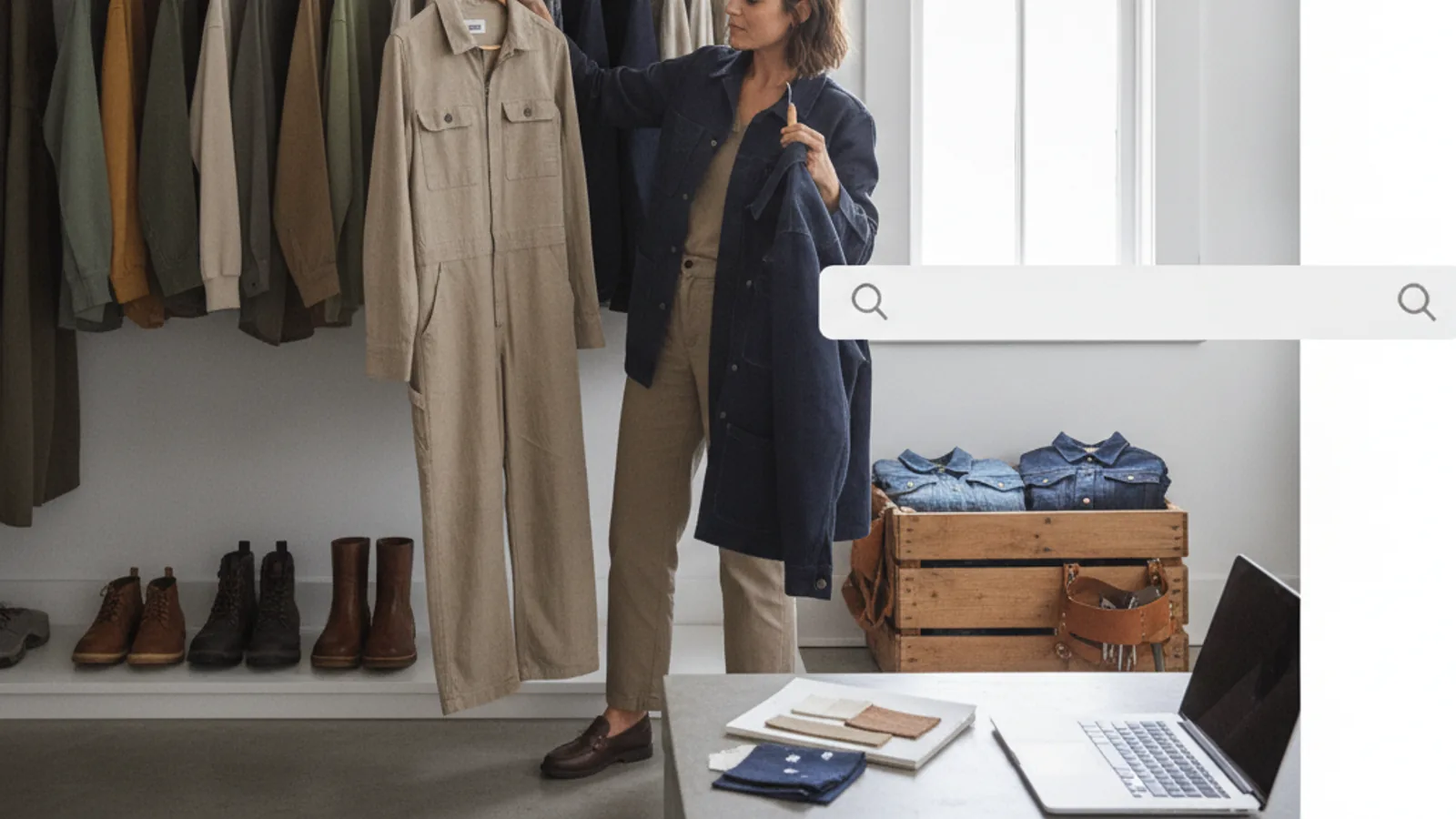
Finding Australian brands for useful workwear starts with understanding what your job actually demands, then checking where each garment is made, how it is rated, and whether the brand supports the trades it serves. This guide walks you through defining requirements, researching local makers, verifying labels and standards, testing comfort, and building a shortlist you can trust for daily wear.
Fast Answer
- Start by listing the hazards, climate, and tasks in your normal workday, then search for Australian workwear makers that publish fabric details and safety ratings.
- Confirm Australian ownership or manufacturing on the brand's own site, check the product label, and compare return policies before committing to a full set.
Before You Start
- Write down the three hardest things your workwear must handle, such as abrasive surfaces, hot weather, or frequent kneeling, so you can judge fabric and design claims.
- Measure your chest, waist, inseam, and sleeve length with a soft tape, and note whether you prefer a loose or fitted cut before you compare size charts.
- Collect the names of any safety markings or standards your workplace requires, then photograph an old garment label to use as a reference while shopping.
- Set a simple budget range in your notes for one full outfit, including a spare pair of trousers, so you can compare value without being swayed by discounts.
Step-by-Step Instructions
Define the real demands of your job
Begin by writing a short list of what your average shift throws at you. Note the surfaces you touch, the chemicals or dust you meet, the weather you work in, and how often you kneel, reach, or climb. Then mark which of these are daily problems and which are rare. This order matters because it stops you from shopping by style first and function second. A practical check is to walk through your last three shifts in your head and name the moment your current clothing failed, such as a torn knee or a soaked back. That check matters because it turns vague preferences into specific requirements, and specific requirements are what let you compare Australian brands fairly instead of guessing from photos. Keep the list to one page so it stays usable in a store or on a website.
Search for local makers the right way
Use search terms that combine your trade with the words Australian made or Australian owned, then look for brands that describe their fabric, their factory, and the standards their garments meet. Open the brand's own website rather than relying on marketplace listings, because the brand page usually explains where the product is made and what it is designed to do. A sensible order is to shortlist five brands, then read their about page, their size guide, and their care instructions before looking at any product photos. The practical check is to find at least one clear statement about manufacturing location and one clear statement about the fabric weight or weave. This check matters because a brand that explains its supply chain is usually easier to question and easier to hold accountable when a garment does not perform. Save each promising page in a folder so you can return to it later.
Verify labels, ratings, and claims
Once you have a shortlist, examine the product details for the specific safety markings your workplace requires, such as high visibility ratings, flame resistance notes, or tear strength descriptions. Read the care label to see how the garment should be washed, because harsh washing can destroy protective finishes. The order here is important: confirm the rating first, then the fabric, then the fit, because a perfect fit cannot compensate for a missing safety feature. As a practical check, compare the printed rating on the garment label with the rating listed on the brand's website and with your workplace policy. That check matters because ratings can be listed differently across pages, and a mismatch is a signal to ask the brand or your safety officer before you buy. If a claim is unclear, contact the brand and ask for the exact standard and test method in writing.
Compare fit, mobility, and comfort
Fit affects safety as much as fabric does. Tight sleeves restrict reaching, while loose cuffs can catch on tools and edges. Read the size chart carefully, then compare your measurements with the garment's finished measurements if the brand publishes them. A good order is to check the shoulder and chest first, then the sleeve and leg length, then the waist adjustment. The practical check is to squat, reach overhead, and bend your elbows while wearing the garment if you can try it on, or to read reviews from people in your trade if you cannot. This check matters because a garment that binds during real movement will be left in the locker, no matter how good the fabric is. Look for gusseted panels, articulated knees, and adjustable hems, since these features usually improve mobility without adding bulk.
Test one garment before a full set
Buy a single item first, such as one pair of trousers or one shirt, and use it for a full week of normal work. Keep a small note of how it handles sweat, abrasion, washing, and drying. The sensible order is to test the item in the easiest conditions first, then in your hardest task, so you can separate normal wear from a real failure. A practical check is to inspect the seams, knees, and cuffs after each wash and record any fraying, fading, or shrinkage. That check matters because early wear patterns show whether the fabric and stitching suit your actual routine, and one week of evidence is worth more than a page of marketing claims. If the item performs well, order a second set; if it fails, you have saved money by testing small.
Build a shortlist and a buying routine
Finish by turning your research into a shortlist of three brands you trust, each with the item that suits a different season or task. Record the size that fits, the fabric weight, and the care routine for each item, then set a simple reorder reminder before the busy season starts. The order here is deliberate: shortlist first, then sizes, then a reorder plan, so you are never caught without suitable clothing. A practical check is to confirm each brand's return window and exchange process before you order, and to keep your order confirmations in one folder. That check matters because workwear is a long-term purchase, and knowing how to exchange a wrong size quickly keeps you working comfortably. Review the shortlist once a year, since brands update ranges and your job demands may change.
Quick Reference
| Situation | Action | Why it helps |
|---|---|---|
| You need workwear for a hot climate and outdoor tasks. | Look for lightweight woven fabrics, vented panels, and light colours, then check the care label to confirm the garment can be washed often without losing its finish. | Heat and sweat break down some finishes quickly, so frequent washing matters more than a single impressive fabric claim. |
| You need workwear for cold, wet, or windy conditions. | Check for tightly woven outer fabric, sealed seams, and adjustable cuffs, then read the brand's layer guidance and your workplace policy on high visibility. | Layering systems work only when each piece fits over the last, and a poorly matched outer layer can block movement or trap moisture. |
| You are unsure whether a brand really makes its goods locally. | Read the brand's about page and product labels, then contact the brand directly and ask where the garment is cut and sewn before you order. | Manufacturing claims vary and can change, so a direct answer in writing gives you a reliable record for your own comparison. |
Common Issues
- The size chart does not match the garment you receive.: Measure the garment you already own and compare those numbers with the brand's finished measurements, then contact the brand for exact garment dimensions before ordering a replacement size.
- A safety rating is listed on the website but not on the label.: Ask the brand for the exact standard and test method in writing, then confirm with your workplace safety officer that the rating meets your site requirements before wearing the garment.
- The garment wears out at the knees or cuffs sooner than expected.: Check whether reinforcement panels are available or look for a brand that uses double stitching and abrasion-resistant fabric in high-wear areas, then rotate two sets to reduce wear on each.
Advanced Tips
- Ask brands for fabric swatches or sample squares, since touching the material tells you more about weight and stiffness than any photo.
- Keep a simple log of which garments survived which tasks, then use that log to choose the next purchase instead of starting from scratch.
- Check whether the brand offers repairs or replacement parts such as buttons, zips, and knee pads, because repairable workwear lasts longer and creates less waste.
Final Checklist
- Your written list of job demands, climate needs, and required safety markings is complete and easy to read.
- You have three trusted Australian brands with clear manufacturing statements and published size charts saved for comparison.
- You have tested at least one garment through a full work week and recorded how it handled washing and wear.
- You know each brand's return window, exchange process, and care routine before placing your next order.
FAQ
How do I know if a workwear brand is genuinely Australian?
Check the brand's own about page and the product label for a clear statement about where the garment is designed, cut, or sewn. If the wording is vague, contact the brand and ask directly for the manufacturing location in writing, then compare that answer with the label on the item you receive.
What should I check first on a workwear product page?
Start with the safety rating and the care label, then read the fabric description and size chart. This order keeps you focused on whether the garment meets your workplace requirements before you consider colour, style, or any discount that might distract you from the essentials.
How many workwear items should I buy at once?
Buy one item first and test it through a normal work week before ordering more. Once you confirm the fit, fabric, and washing behaviour, order a second set so you always have a clean, serviceable option while the other is being laundered or repaired.