How To Build Everyday Outfits For Changeable Australian Weather
A practical step-by-step guide to how to build everyday outfits for changeable Australian weather, including preparation, instructions, common issues, tips, and next steps.
How To Build Everyday Outfits For Changeable Australian Weather
Australian weather shifts fast, from cool mornings to warm afternoons and sudden showers. This guide helps you build everyday outfits that adapt without carrying a suitcase. You will learn layering, fabric choices, and quick checks so you stay comfortable and ready for anything the day brings.
Fast Answer
- Start with a light, breathable base layer, add a warm mid layer, and finish with a packable outer layer that blocks wind and rain.
- Check the forecast for temperature range, rain chance, and wind, then choose pieces you can remove or add as conditions change.
Before You Start
- Check the day's temperature range, rain likelihood, and wind speed from a reliable local forecast before choosing clothes.
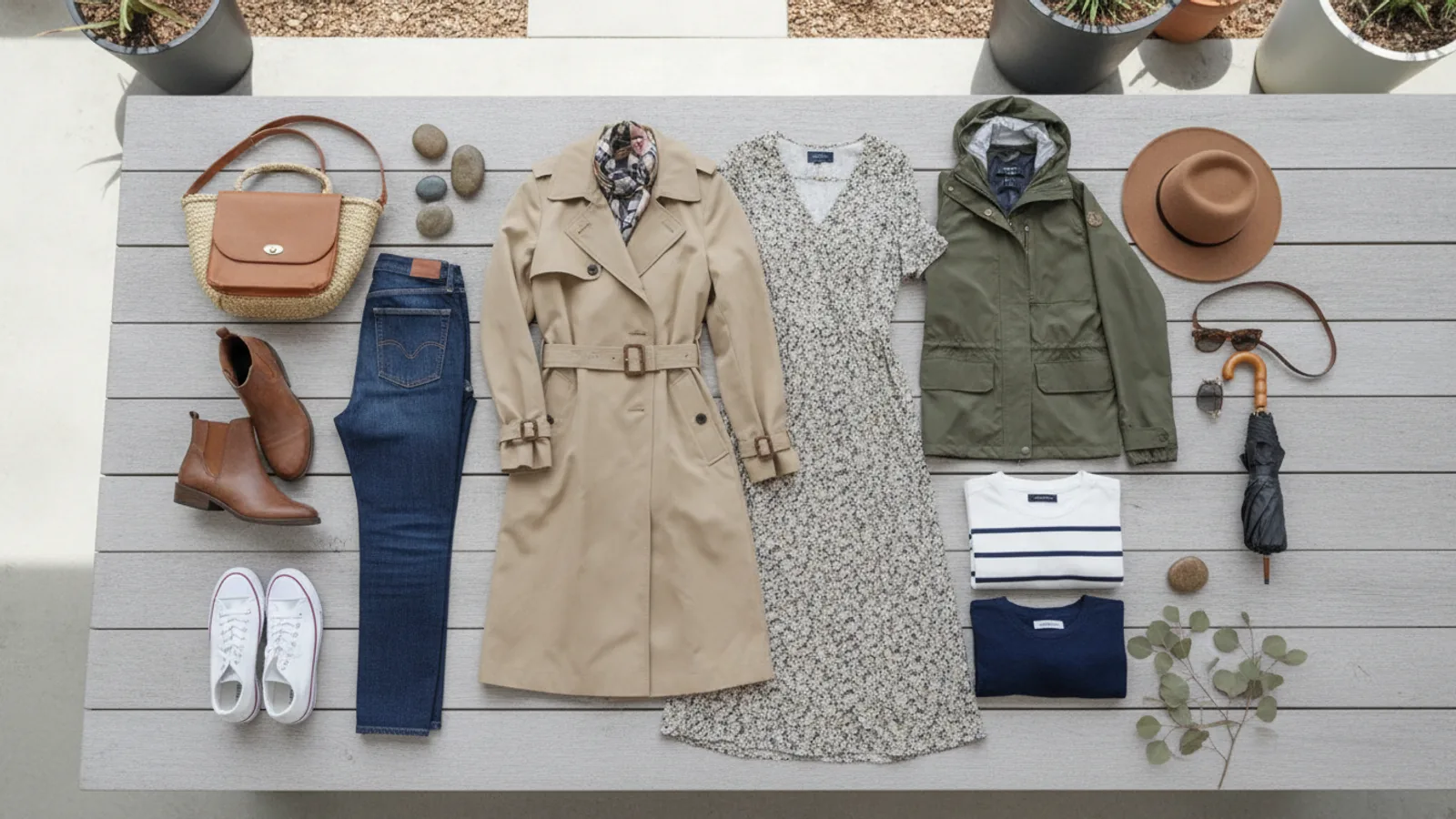
- Lay out a base layer, a mid layer, and an outer layer so you can see how they work together and adjust quickly.
- Choose fabrics that handle both warmth and moisture, such as merino wool, cotton blends, or technical synthetics that dry fast.
- Pack a small bag with a compact umbrella, a light scarf, and a spare pair of socks in case of unexpected rain or temperature drops.
Step-by-Step Instructions
Check the Forecast and Plan Layers
Start by looking at the day's predicted high and low temperatures, rain chance, and wind speed. Write these numbers down or note them on your phone. Then decide how many layers you need: a base layer for comfort, a mid layer for warmth, and an outer layer for wind and rain. For example, if the low is cool and the high is mild with a chance of showers, choose a long-sleeve base, a light jumper, and a waterproof jacket. This check matters because it stops you from dressing for only one part of the day. A quick look at the forecast helps you avoid being too hot at noon or too cold in the evening. It also tells you whether to bring an umbrella or wear water-resistant shoes.
Build a Comfortable Base Layer
Choose a base layer that sits close to your skin and manages moisture. Fabrics like merino wool or technical synthetics wick sweat away and dry quickly, while cotton can stay damp and chill you. Pick a light color if you will be in the sun, as it reflects heat. For cooler mornings, a long-sleeve top works well, and you can roll up the sleeves later. Make sure the base layer is not too tight, so air can circulate. A good check is to move your arms and bend over; if the fabric pulls or feels restrictive, size up or choose a different material. This step matters because a poor base layer can make you feel clammy and cold when the temperature changes, ruining the comfort of your whole outfit.
Add a Versatile Mid Layer
The mid layer provides insulation and should be easy to remove. A lightweight fleece, a thin wool jumper, or a quilted vest works well. Pick one that packs small so you can stuff it in your bag when the sun comes out. Check that it fits comfortably over your base layer without bunching. Test by putting it on and raising your arms; if it rides up or feels tight across the shoulders, try a different size or style. This layer is your main temperature control. As the day warms, you can take it off and still look put-together. If it gets cold again, you can put it back on quickly. This flexibility is key for changeable weather, where a single heavy coat would leave you stuck.
Choose a Weather-Ready Outer Layer
Your outer layer should protect against wind and rain without adding too much bulk. Look for a jacket that is water-resistant or waterproof and windproof. A hood is useful for sudden showers. Make sure it is roomy enough to wear over your mid layer but not so large that it flaps in the wind. Check the seams and zippers; taped seams and storm flaps keep water out. Test the jacket by spraying a little water on it or checking the label for waterproof rating. This step matters because a good outer layer is your first defense against unpredictable weather. It can turn a miserable wet walk into a comfortable one. Also, ensure the jacket is breathable so you do not overheat when you are active.
Pick Bottom and Footwear for Shifting Conditions
Choose trousers or skirts that suit both indoor and outdoor conditions. Dark colors hide splashes, and quick-drying fabrics like nylon or polyester blends are practical. Avoid heavy denim if rain is likely, as it stays wet and cold. For footwear, pick closed shoes with good grip and water resistance. Leather or synthetic waterproof shoes work well. Avoid open sandals if showers are possible. Check the soles for tread; smooth soles slip on wet paths. Also, wear socks that wick moisture, like wool or synthetic blends, and pack a spare pair. This step matters because wet feet and cold legs make you uncomfortable fast. When your lower half is protected, you can walk confidently through puddles and damp grass without ending the day soggy.
Accessorize and Pack for Quick Changes
Accessories can make or break your comfort. A compact umbrella fits in a bag and handles sudden rain. A light scarf adds warmth on chilly mornings and can be removed when the sun appears. A hat with a brim protects from sun and light rain. Sunglasses are useful for glare. Pack these in a small tote or backpack so you can reach them easily. Also, carry a reusable water bottle to stay hydrated. Check that your bag is comfortable to carry and leaves your hands free. This step matters because having the right small items means you can adapt in seconds without searching. For example, if the wind picks up, you can tie on a scarf; if the sun comes out, you can stash it away. This readiness keeps you comfortable all day.
Quick Reference
| Situation | Action | Why it helps |
|---|---|---|
| Cool morning, warm afternoon, no rain expected | Wear a light base layer, a removable mid layer like a jumper, and carry a compact bag to store the mid layer when the day warms up. | This lets you stay warm in the morning and cool in the afternoon without carrying a heavy coat or feeling stuck in extra clothing. |
| Mild day with sudden showers and wind | Choose a water-resistant outer layer with a hood, quick-drying trousers, and closed waterproof shoes, and pack a small umbrella. | These items protect you from getting wet and cold quickly, and they dry fast if they do get damp, so you stay comfortable. |
| Hot day with strong sun and a cool evening | Wear a light-colored, breathable base layer and carry a thin long-sleeve top or scarf for the evening, plus a hat and sunglasses for daytime. | This combination keeps you cool and protected from the sun during the day and adds warmth for the cooler evening without overheating. |
Common Issues
- You feel too hot and sweaty after layers: Remove your mid layer and open your outer jacket to let heat escape. Choose moisture-wicking fabrics next time to reduce clamminess. If you are still hot, roll up sleeves and loosen cuffs to increase airflow.
- Your feet get wet from unexpected rain: Carry a spare pair of socks in a waterproof bag. If shoes get soaked, stuff them with newspaper to absorb moisture and let them air dry away from direct heat. For future outings, choose water-resistant footwear with good tread.
- The wind makes you feel colder than expected: Add a windproof outer layer and tighten cuffs, hem, and collar to seal out drafts. A scarf around your neck also helps. Check the wind chill in the forecast before you leave, and choose a jacket that blocks wind.
Advanced Tips
- Use a light, compact backpack instead of a handbag so you can carry layers hands-free and distribute weight evenly across your shoulders.
- Choose clothing with zippered pockets for secure storage of small items like keys, phone, or transit card when you remove layers.
- Test new layering combinations on a short walk before a full day out, so you know how the fabrics feel and whether you need to adjust sizes.
Final Checklist
- Check the local forecast for temperature range, rain chance, and wind speed before getting dressed.
- Lay out your base, mid, and outer layers, plus bottoms, shoes, and socks, to see the full outfit.
- Pack a small bag with an umbrella, spare socks, and a removable scarf or hat in case conditions change.
- Test your outfit by moving around, bending, and reaching to ensure comfort and freedom of movement.
FAQ
How many layers do I really need for a changeable day?
Three layers are usually enough: a base layer that manages moisture, a mid layer for warmth, and an outer layer for wind and rain. You can add or remove the mid layer as needed. If the day is very cold, add a thin extra layer under your base or choose a warmer mid layer. The key is flexibility, not thickness.
What fabrics are best for Australian weather swings?
Merino wool and technical synthetics are excellent because they wick moisture and dry quickly. Cotton is comfortable but stays wet and can chill you. Look for blends that offer breathability and quick drying. For outer layers, choose water-resistant and windproof materials with taped seams. Avoid heavy fabrics that trap sweat and take long to dry.
Should I carry an umbrella or rely on a rain jacket?
A rain jacket with a hood is often more convenient for wind and light rain, leaving your hands free. An umbrella is useful for heavier rain and can protect your bag. Many people carry both: a compact umbrella for sudden downpours and a jacket for wind and drizzle. Check the forecast for rain intensity and wind, as umbrellas can flip in strong gusts.