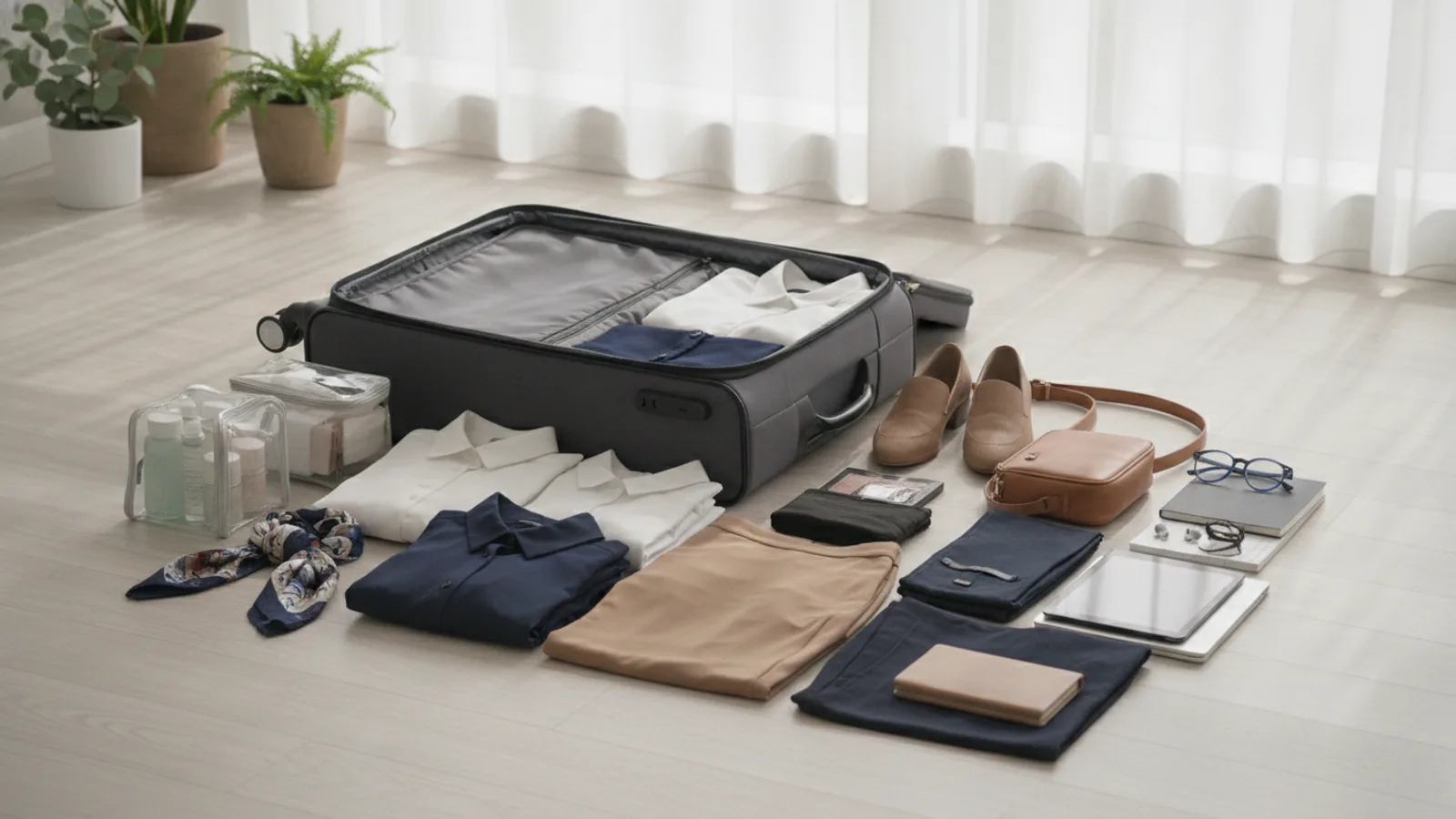
How To Identify Wardrobe Gaps Before Making A Shopping List
A practical step-by-step guide to how to identify wardrobe gaps before making a shopping list, including preparation, instructions, common issues, tips, and next steps.

How To Identify Wardrobe Gaps Before Making A Shopping List
A wardrobe gap audit helps you see what your clothes can actually do together before you buy anything new. Instead of guessing or chasing trends, you review your daily life, test combinations, and list the specific missing pieces that block outfits. This guide gives you a calm, repeatable process to find those gaps and build a useful shopping list.
Fast Answer
- Start with a two-week outfit diary, then map every activity in your normal week to the clothes you own. The gaps are the activities with no complete outfit.
- Next, pull out ten items you wear most and try to make three full outfits from each. Note exactly which layer, shoe, or bottom is missing, then buy only those missing pieces.
Before You Start
- Set aside two quiet hours and clear a space where you can see all your clothes at once. You will need to move items around, so empty your bed or a large table before you start.
- Print or draw a simple two-week calendar and write one typical activity for each day, such as work, errands, rest, or an evening out. This becomes the target list your wardrobe must cover.
- Gather a notebook, sticky notes, and two bags or bins labeled Keep and Repair or Donate. The bins keep decisions moving so you do not stall on individual items.
- Check the weather forecast for the next two weeks and note the expected temperature range and rain chances. Your wardrobe gaps depend on real conditions, not ideal ones.
Step-by-Step Instructions
Track two weeks of real outfits
For fourteen days, write down what you actually wear each day, including shoes and layers, and note the activity and the weather. Do not change your habits to make the diary look better; record the truth, even if you repeat the same comfortable items. At the end, count how many times each item appears. This record shows which clothes earn their space and which activities you never dress for comfortably. A practical check is to highlight any day when you felt underdressed, too warm, too cold, or unsure about your look. Those highlighted days are your first clues. The reason this matters is that memory is unreliable: you may believe you wear a wide range of clothes, but the diary reveals the small set you trust. That honest baseline keeps you from buying more of what already works and ignoring what is actually missing.
Sort every item into working groups
Empty your closet and drawers, then sort everything into groups by purpose: work, casual, active, evening, and weather-specific layers. As you sort, remove anything that is torn, stained, or no longer fits, and place it in the Repair or Donate bin. Keep only items you would wear today in front of a mirror. A practical check is to ask of each item, can I name two other pieces in my wardrobe that complete an outfit with this? If you cannot, set it aside in a maybe pile rather than forcing it back in. This step matters because a wardrobe gap is often not a missing item but a missing connection. Sorting by purpose shows you which groups are strong and which are thin, so your later list targets the thin groups instead of adding random pieces to the strong ones.
Build ten outfits from core pieces
Choose the ten items you wear most often, then try to build three complete outfits from each one, including shoes and any needed layer. Lay the combinations on your bed and photograph them. As you work, mark every time you reach for a piece that does not exist, such as a plain bottom that matches a patterned top or a light layer for a cool room. A practical check is to count how many of the thirty possible outfits you can actually complete with items you own. The number will likely be lower than you expect, and the missing pieces will repeat. This matters because it converts a vague feeling of having nothing to wear into a short, specific list. You are not judging your wardrobe; you are finding the exact parts that block finished outfits, which is what a shopping list should contain.
Map gaps to your weekly calendar
Return to your two-week calendar and match each activity to the outfits you can build. For every activity, write yes if you have a complete, comfortable outfit and no if you do not. Be strict: a partial outfit that leaves you borrowing or improvising counts as no. Then group the no answers by the missing piece, such as a weatherproof outer layer, a comfortable shoe for standing, or a simple top for meetings. A practical check is to sort the missing pieces by how many activities they block. The piece that unlocks several days is more valuable than one that serves a single rare event. This matters because it turns your list into a priority order. Without this mapping, you might buy for the most exciting event and still struggle on ordinary mornings, which are the days your wardrobe must handle most often.
Test each gap with a stand-in
Before you commit a gap to your shopping list, test it with a stand-in item borrowed from a friend, a similar piece you already own, or a temporary substitute. Wear the stand-in for a full day during the activity it is meant for. For example, if you think you need a light layer for cool offices, wear your heaviest sweater for a day and note whether it solves the problem or creates a new one, such as being too bulky to sit comfortably. A practical check is to ask whether the stand-in made the outfit complete and comfortable from morning to evening. This matters because imagined needs are often wrong. Testing filters out gaps that a different combination could solve for free, so your final list contains only items that truly improve your daily wear.
Write and rank your final shopping list
Turn your tested gaps into a short list, with each entry naming one item, its purpose, and the outfits it will complete. Rank the list by how many activities each item serves and how soon you need it. Set a clear rule for yourself: buy only from the top of the list, and only after you have checked that no existing item can do the job. A practical check is to read the list aloud and remove anything described only as nice or trendy, because those words hide an untested need. Keep the list where you can see it before you shop. This matters because a ranked list protects your time and attention. It keeps you focused on the few pieces that make your wardrobe work harder, instead of adding more items that look good alone but still leave you with nothing to wear.
Quick Reference
| Situation | Action | Why it helps |
|---|---|---|
| You have many clothes but still feel you have nothing to wear. | Build ten complete outfits from your most-worn pieces, photograph them, and list every missing piece that stops an outfit from being finished. | This turns a vague feeling into a concrete list, so you buy only the pieces that unlock outfits you will actually wear instead of adding more lonely items. |
| You are about to shop for a special event or a new season. | Match your two-week calendar and weather notes to your existing outfits, then rank the missing pieces by how many days each one improves. | Events and seasons are easy to overbuy for, but ranking by daily use keeps your wardrobe useful long after the event or the first cold week has passed. |
| You keep buying similar items and repeating the same outfits. | Sort your clothes by purpose, count each group, and highlight any group with few complete outfits before you add anything new to your list. | The count exposes which purpose group is thin, which stops you from adding another piece to an already strong group and ignoring the group you dress for most. |
Common Issues
- You feel overwhelmed and stop partway through the audit.: Set a timer for twenty minutes and work on one purpose group only. Finish that group, write a note about where you stopped, and return the next day. Small sessions keep decisions sharp and prevent the tired choices that lead to donating useful items.
- You cannot decide whether an item is a keeper.: Use the two-outfit rule: if you cannot name two complete outfits that include the item, move it to a maybe box for thirty days. If you have not reached for it by then, it is not part of your working wardrobe and does not belong on your shopping list.
- Your list keeps growing with wants instead of needs.: Rewrite each entry as a sentence that names the activity it serves and the outfits it completes. Remove any entry that cannot finish at least two outfits. This keeps the list tied to real days and stops shopping from becoming entertainment.
Advanced Tips
- Photograph your finished outfits and store them in one album. Before any shopping trip, review the album and ask which single new piece would create the most new combinations with what is already there.
- Keep a small repair kit and a donation bag near your closet. Fixing or releasing one item each week keeps the wardrobe current without a large seasonal project.
- Create a short written uniform for your most common activity, naming the exact layers and shoes. When you find a piece that fits the uniform well, note it so future replacements are quick and consistent.
Final Checklist
- Your two-week outfit diary is complete, with weather notes and mood notes for each day.
- Every purpose group has a count, and you know which groups lack complete outfits.
- You have tested each gap with a stand-in and removed gaps that another combination already solves.
- Your final shopping list is ranked by daily usefulness and contains only items that complete at least two outfits.
FAQ
How often should I repeat a wardrobe gap audit?
Repeat a short version at each change of season and a full version once a year. A short version means reviewing your outfit diary for two weeks and checking whether any new activity has appeared. A full version means sorting by purpose, rebuilding core outfits, and rewriting the list. Life changes, such as a new routine or a move to a different climate, create new gaps, so the audit should follow your actual days rather than a fixed calendar.
What if I cannot afford to fill every gap at once?
Work from the top of your ranked list and buy one item at a time. Choose the piece that completes the most outfits for the activities you dress for most often. After each purchase, rebuild your core outfits to confirm the gap is closed before moving to the next entry. This slow approach keeps your wardrobe balanced and prevents a large purchase that solves one rare event but leaves daily mornings unchanged.
Should I keep clothes for a possible future need?
Keep an item only if you can name the activity, the season, and at least two complete outfits it belongs to. If you cannot name all three, place it in a maybe box for thirty days. If you never reach for it during that time, release it. Holding clothes for an imagined future often hides real gaps because the closet looks full while your daily options stay limited.