How To Find Australian Designers For Wedding Guest Outfits
A practical step-by-step guide to how to find Australian designers for wedding guest outfits, including preparation, instructions, common issues, tips, and next steps.
How To Find Australian Designers For Wedding Guest Outfits
Finding Australian designers for wedding guest outfits means looking beyond standard retail to independent makers, small studios and local fashion communities. You can discover labels through curated online directories, social media hashtags, design markets and boutique stockists, then contact designers directly for custom or made-to-order pieces. This guide walks you through preparation, searching, vetting and ordering so you feel confident and well-dressed without guesswork.
Fast Answer
- Start with a clear brief: your budget, the wedding dress code, your sizes, and your timeline, then search Australian designer directories and social media tags.
- Contact three to five designers with your brief, ask about lead times and fabric options, and order swatches before committing to a custom piece.
Before You Start
- Write down the wedding date, venue, dress code, and any cultural or thematic notes so you can judge whether a designer's style fits the event.
- Measure your bust, waist, hips and height, and note your usual size in two or three brands you already own, because Australian designer sizing often differs from high-street labels.
- Set a realistic budget that includes the outfit, any alterations, shipping and a small contingency, and decide whether you want ready-to-wear, made-to-order or fully custom.
- Collect inspiration images and note the fabrics, colours and silhouettes you like, then save them in one folder you can share with designers.
Step-by-Step Instructions
Define your outfit brief clearly
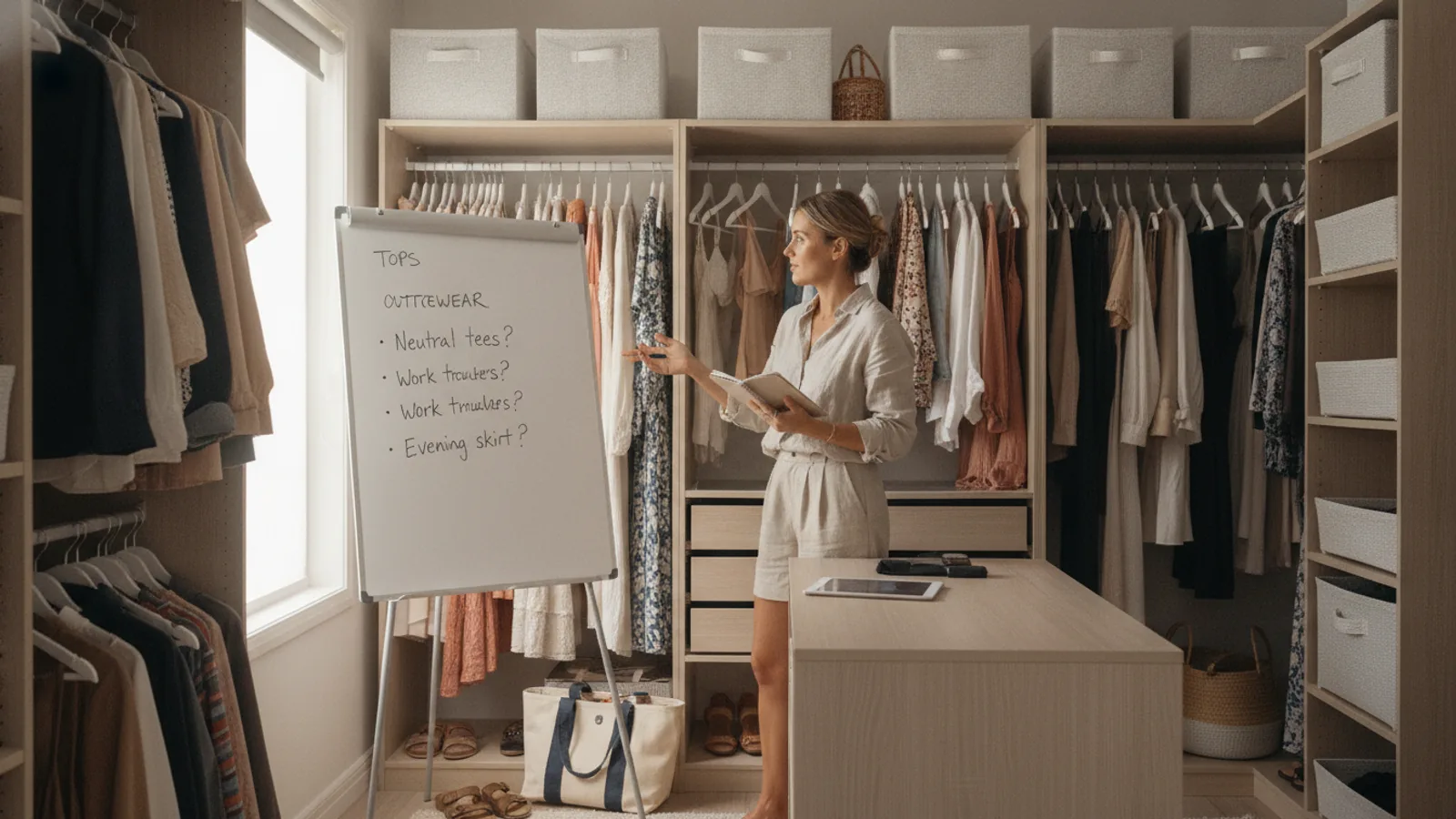
Before you search, write a one-page brief. Include the wedding date, location, dress code, your measurements, your budget range without currency symbols, and two or three words that describe the look you want, such as relaxed coastal, black-tie elegant or garden party colourful. Add notes about comfort needs, like whether you will dance, stand for long periods or need a sleeve. This brief becomes your filter. When you look at a designer's work, you can quickly see whether their silhouettes and fabrics match your event. A practical check is to test your brief against three outfits you already love: if you cannot explain why they work for this wedding, your brief is still too vague. Clarity saves hours of browsing and helps designers give you accurate advice.
Search curated directories and local fashion guides
Begin with Australian fashion directories, design market websites and city arts guides that list independent labels. Look for categories such as bridal guest, occasion wear, resort wear or made-to-order. These lists are often edited, so they are faster than generic search results. As you browse, open a new document and record the designer name, location, style summary and a link. A practical check is to confirm the designer's studio or stockist is in Australia and that the website shows recent work. Why this matters: a directory that updates regularly is less likely to send you to a label that has closed or moved overseas. Aim for a long list of ten to fifteen names, then narrow it down by style and budget in the next step.
Use social media tags to discover emerging designers
Social media can surface small Australian labels that directories miss. Search for tags that combine the city, the occasion and the word designer, such as Sydney wedding guest outfit or Melbourne occasion wear. Also follow local fashion market accounts and wedding stylists, because they often tag the makers behind the outfits. When a profile interests you, check the grid for recent posts, saved stories and tagged photos from real customers. A practical check is to see whether the designer answers comments or messages and whether they post about their making process. That tells you if they are active and communicative. Why this check matters: an inactive account may mean slow replies or a paused business, while an active one is more likely to guide you through sizing and timelines.
Visit boutiques and design markets in person
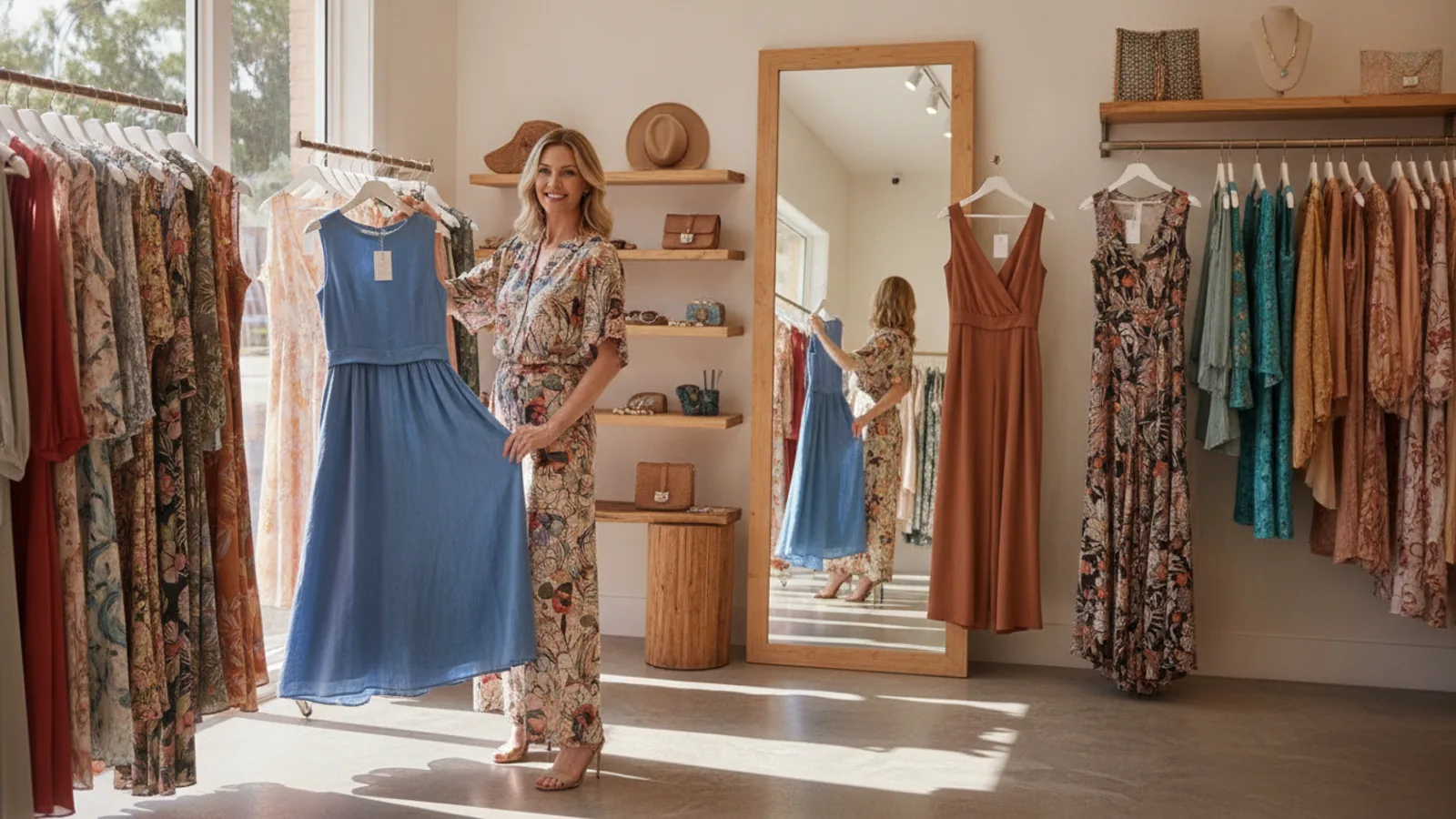
In-person visits let you feel fabrics, check stitching and see how a garment moves. Search for independent boutiques that stock Australian labels, or attend design markets and pop-up events in your city. Bring your brief, a tape measure and a list of questions. When you try something on, note the size, the fit at the shoulders and hips, and how the fabric feels against your skin. A practical check is to ask the staff whether the label takes direct custom orders or whether the piece can be altered. This matters because a small alteration, such as shortening a hem, can make a ready-to-wear piece work for your event, while a poor fit at the shoulders is often harder to fix. Record everything so you can compare later.
Vet designers with a short, specific message
Once you have a shortlist of three to five designers, send each a message that includes your event date, your brief, your measurements and your budget range without currency symbols. Ask about lead time, fabric options, whether they make to your measurements, and what happens if the fit needs adjustment. A practical check is to note how long each designer takes to reply and whether they answer your questions directly. Why this matters: clear, timely communication is a strong sign that the designer manages orders well and will keep you informed if anything changes. Avoid anyone who pressures you to pay immediately or refuses to put terms in writing. Keep a simple table of replies so you can compare responses calmly.
Confirm details and order with confidence
When you choose a designer, ask for a written summary that covers the fabric, the measurements, the delivery date, the deposit and the final payment terms, plus the alteration policy. Review it against your brief and your calendar. A practical check is to count backward from the wedding date and add a buffer of at least two weeks for shipping or alterations. This matters because a small delay can turn a calm experience into a rush. Once you are satisfied, pay the deposit through a traceable method and request a receipt. Diarise a follow-up message a few weeks before delivery. If you ordered remotely, ask for progress photos or a fitting video call. Save all messages and documents in one folder so you can find them quickly if a question arises.
Quick Reference
| Situation | Action | Why it helps |
|---|---|---|
| You need an outfit quickly and the wedding is soon. | Search local boutiques and designer stockists for ready-to-wear pieces in your size, then ask about in-house alterations and current turnaround. | Ready-to-wear avoids custom lead times, and alterations can often be done faster than making a garment from scratch. |
| You want a custom piece but live far from the designer. | Ask whether they work remotely, request a measurement guide and a fabric swatch, and arrange a video call to confirm fit details before ordering. | Remote custom work depends on accurate measurements and clear communication, so verifying the process early prevents costly mistakes. |
| You are unsure whether a designer's style suits the wedding dress code. | Compare three of their past outfits with your brief, and message them with a photo of the venue and a description of the dress code for their advice. | A designer who understands the event context can recommend silhouettes and fabrics that fit the tone rather than just the trend. |
Common Issues
- The designer does not reply to your first message.: Wait a few days, then send a short follow-up with your event date and a direct question. If there is still no reply, move to the next name on your list. Slow replies before an order often signal slow communication later, so it is wise to keep other options open rather than waiting indefinitely.
- The quoted lead time is close to your wedding date.: Ask whether the timeline includes shipping, alterations and any public holidays, and request a written delivery window. Then decide if you can add a buffer by choosing a simpler design or a ready-to-wear piece. A tight timeline leaves no room for fabric delays, so a written schedule helps you judge the real risk.
- The fabric or colour looks different from the photos.: Request a physical swatch before you commit, and view it in daylight and indoor light. Compare it with your inspiration images and the wedding palette. Screens vary, and dye lots can differ, so a swatch is the only reliable way to confirm the colour and texture before the garment is cut.
Advanced Tips
- Ask designers about their offcut or deadstock fabric options if you want a more sustainable outfit, but confirm the quantity available before you plan a design that needs extra yardage.
- Request a muslin or toile for a fully custom piece so you can check the fit in a low-cost fabric before the final garment is made.
- Plan your accessories and shoes after the outfit is confirmed, because hem length, neckline and fabric drape can change which styles work best.
Final Checklist
- Confirm the wedding date, dress code and venue, and check that your chosen outfit suits all three.
- Review the written order summary for fabric, measurements, delivery date and alteration policy before paying any deposit.
- Check that you have a buffer of at least two weeks between the expected delivery and the wedding date.
- Save all messages, receipts and measurement notes in one folder, and diarise a follow-up with the designer.
FAQ
How do I find Australian designers if I do not live in a big city?
Start with online directories, social media tags that include your state or city, and the websites of design markets that list their makers. Many Australian designers work remotely, so you can order custom pieces by sending your measurements and choosing fabrics from swatches they post. Always confirm lead times and alteration options in writing, and ask for a video call if you want to see the fabric or discuss fit before you commit.
What should I ask a designer before ordering a custom wedding guest outfit?
Ask about lead time, fabric options, whether they make to your measurements, and what happens if the fit needs adjustment after delivery. Request a written summary of the deposit, final payment and delivery date, and confirm the alteration policy. Also ask how they handle delays and whether they provide progress updates. Clear answers to these questions show that the designer manages orders carefully and will keep you informed.
Is it better to buy ready-to-wear or custom for a wedding guest outfit?
Ready-to-wear is faster and often easier to return or exchange, so it suits short timelines and simple fit needs. Custom gives you control over fabric, colour and measurements, which helps if you have specific style or fit requirements. If you choose custom, allow extra time for a muslin fitting and alterations. If you choose ready-to-wear, budget for a local tailor to adjust the hem, waist or straps for a polished result.