How To Build An Everyday Jewellery Capsule
A practical step-by-step guide to how to build an everyday jewellery capsule, including preparation, instructions, common issues, tips, and next steps.
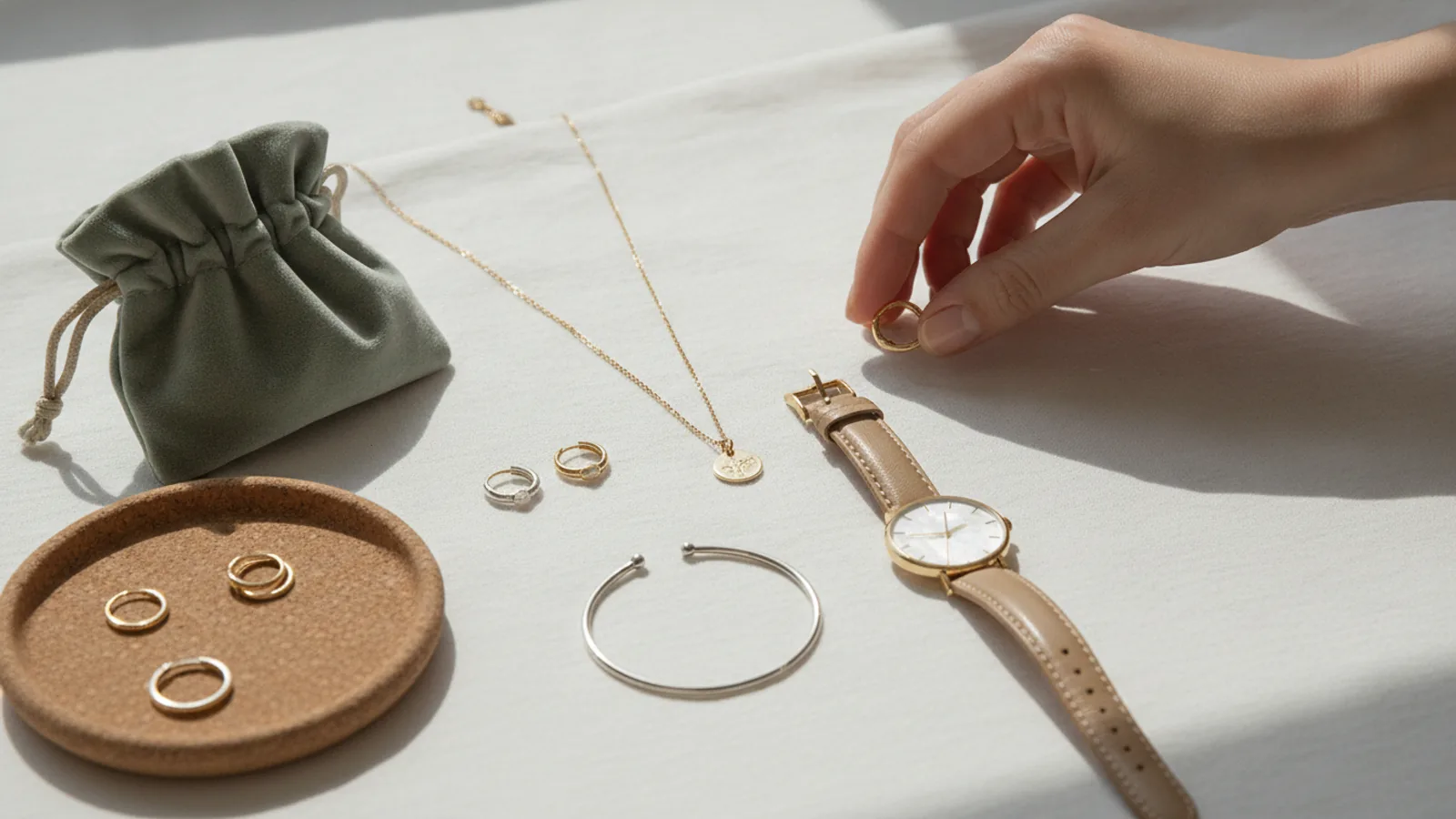
How To Build An Everyday Jewellery Capsule
An everyday jewellery capsule is a small, carefully chosen set of pieces you can wear with almost any outfit without thinking too hard. Instead of owning many items that rarely get worn, you build a focused group that matches your daily life, your comfort level, and the way you get dressed each morning. The goal is simple: fewer decisions, more wear, and pieces that feel like you.
Fast Answer
- Start with what you already wear most, then add only pieces that fill a real gap in your daily rotation.
- Choose one metal tone, one or two accent colours, and a small range of sizes so everything mixes easily.
Before You Start
- Set aside an hour to empty your jewellery storage onto a clean surface and look honestly at what you actually wear.
- Note your daily routine, including work, exercise, childcare, or hobbies, so the capsule fits real life rather than an imagined one.
- Decide on one primary metal tone and at most two accent tones before you consider adding anything new.
- Gather a small notebook or phone note to record gaps, duplicates, and pieces that need repair or cleaning.
Step-by-Step Instructions
Audit what you already own
Tip everything out and sort each piece into three piles: worn often, worn rarely, and never worn. Be honest about the never-worn pile, because it usually shows what you like in theory rather than in practice. Put the worn-often pile back first, since those pieces already fit your real habits. For the rarely worn pile, ask whether the issue is size, comfort, colour, or occasion. A necklace that pinches or a ring that spins will stay unworn no matter how nice it looks. Before moving on, try on five pieces from the worn-often pile and note which ones you forget you are wearing. That comfort test is the single best predictor of what belongs in a small daily capsule, and it stops you from rebuilding the same mistakes with new purchases.
Define your real daily needs
Write down the situations you dress for in a normal week, such as work, school run, exercise, evenings out, or weekends at home. Next to each, note how much jewellery feels practical and comfortable. Some people want earrings every day but never wear bracelets, while others prefer a single necklace and no rings. There is no correct answer, only your answer. Then mark which situations need pieces that can survive movement, hand washing, or time outdoors. This step sets the boundaries of the capsule before you shop, which prevents impulse buys that suit an imaginary lifestyle. A useful check is to count how many days per week you would realistically wear each situation. If something happens once a month, it probably does not need a dedicated piece in a small everyday set.
Choose a simple colour and metal plan
Pick one primary metal tone for most pieces, then allow at most two accent tones so the set still mixes well. If you wear mostly warm colours, a warm tone will blend more easily, and cooler colours often pair well with a cooler tone. This is a guideline, not a rule, so test pieces against your usual clothing in daylight before committing. The practical check is to lay your chosen pieces together on a plain cloth and see whether any item looks out of place. If one piece clashes with everything, it will become a lonely object rather than part of a working capsule. Limiting tones also makes packing and choosing faster each morning. Decide whether stones or pearls fit your daily style, and keep those accents small enough that they work with most outfits rather than only special occasions.
Cover the core categories
A workable capsule usually includes a few clear roles: something for the ears, something for the neck, something for the wrist, and something for the hands, though you can skip any role that does not suit you. For each role you keep, aim for one everyday piece and one slightly dressier option if you truly need it. The everyday piece should feel comfortable for long hours, while the dressier piece can be smaller or more detailed. Check that each piece fastens securely and sits flat against your skin without pulling. This matters because a capsule only works when the items are easy to wear, and uncomfortable pieces quietly drop out of rotation. If you never wear rings, do not force a ring into the set just to complete a category. The capsule should follow your habits, not a template.
Fill gaps with one addition at a time
After the audit and the plan, list the gaps that remain. A gap is a role or tone you genuinely need and do not own, not simply something new and appealing. Add one piece at a time and wear it for a full week before deciding on the next. This slow approach lets you notice whether the new item actually earns its place. When choosing, check the weight, the length, and the closure against the pieces you already wear most. A necklace that sits at an awkward length or a bracelet that slides over your hand will frustrate you daily. If a piece arrives and you avoid wearing it, treat that as useful information and return or repurpose it. Slower additions keep the capsule small, coherent, and genuinely used.
Maintain and review the capsule
Set a simple routine to keep the set working. Wipe pieces after wearing, store them so they do not tangle or scratch, and check clasps and settings now and then. Keep a small pouch for travel and a dish for daily pieces so nothing gets lost in a drawer. Once or twice a year, repeat the audit quickly: pull out anything unworn for months and ask why. Sometimes the answer is a repair, a resize, or a different outfit pairing. Other times the piece has simply had its season, and passing it on is the right move. This review keeps the capsule from slowly growing back into a crowded drawer. The check is simple: if you cannot remember the last time you wore a piece, it is not part of your everyday set right now.
Quick Reference
| Situation | Action | Why it helps |
|---|---|---|
| You are standing in front of your jewellery and cannot decide what to wear today. | Reach for your fixed daily trio, such as one pair of earrings, one necklace, and one bracelet, and wear only those without comparing other options. | A fixed starting combination removes the decision fatigue that makes a capsule useful, and it keeps your most comfortable pieces in steady rotation. |
| You are tempted to buy a piece that does not match your chosen metal or accent tones. | Photograph the piece next to your three most worn items and wait a full week before deciding, checking whether it fills a real gap in your plan. | A short waiting period separates genuine need from momentary attraction, and the photo test shows whether the piece will mix with what you already wear. |
| A piece in your capsule keeps pinching, sliding, or catching on clothing during normal days. | Stop wearing it for a week, note the exact problem, and have it adjusted, resized, or repaired before returning it to the daily tray. | Small comfort faults cause pieces to be quietly abandoned, so fixing the fit protects both your comfort and the value of the capsule. |
Common Issues
- The capsule still feels too large and you still struggle to choose in the morning.: Reduce the daily tray to three or four pieces and store the rest out of sight for a month. If you do not miss an item, it does not belong in the everyday set.
- You bought pieces that match your plan but never wear them.: Check the fit and weight first, because discomfort is the most common hidden reason. If the item is comfortable and still unused, it likely suits an occasion you rarely have.
- Your pieces tangle, scratch, or dull quickly in storage.: Store items separately in soft pouches or a divided tray, fasten chains before putting them away, and clean gently according to the maker's guidance for each material.
Advanced Tips
- Build a small travel version of the capsule with only the pieces you would be unconcerned about losing, and keep it packed so short trips need no planning.
- Track wear for one month with a simple tally, then let the data, not your mood, decide what stays in the everyday set.
- Choose one signature piece that carries your personal style, and let the other items stay quiet so the whole set feels intentional.
Final Checklist
- Every piece in the daily tray fits comfortably and fastens securely without adjustment during the day.
- The set covers the roles you actually use, such as ears, neck, wrist, or hands, and skips the roles you do not.
- Your metal and accent tones are limited enough that most pieces can be worn together without clashing.
- Anything unworn for a full season has been repaired, stored away, or passed on rather than left to crowd the drawer.
FAQ
How many pieces should an everyday capsule contain?
There is no fixed number, but many people find that roughly five to ten pieces cover daily wear without creating too many choices. The right count is whichever set lets you get dressed quickly and comfortably most mornings. Start smaller than you think you need, then add only when a real gap appears in your routine.
Do I need to match my metal tones exactly?
Matching is a preference, not a requirement, and mixed tones can look deliberate when the pieces share a similar scale or style. If mixing feels messy to you, choose one primary tone for most items and use a second tone only in small accents. Test combinations in daylight against your usual clothing before deciding.
How often should I review the capsule?
A quick review once or twice a year is usually enough, plus a short check whenever you notice a piece going unworn for weeks. At each review, ask whether the item needs a repair, a different pairing, or removal from the set. Frequent small reviews keep the capsule useful without turning maintenance into a chore.