How To Choose Clothes For Australian Summer Travel
A practical step-by-step guide to how to choose clothes for Australian summer travel, including preparation, instructions, common issues, tips, and next steps.
How To Choose Clothes For Australian Summer Travel
Choosing clothes for an Australian summer trip is about handling intense sun, sudden temperature swings, and long days outdoors without overpacking. This guide helps you build a small, flexible wardrobe that keeps you cool, protected, and comfortable from city walks to coastal hikes, using light layers, breathable fabrics, and smart sun coverage.
Fast Answer
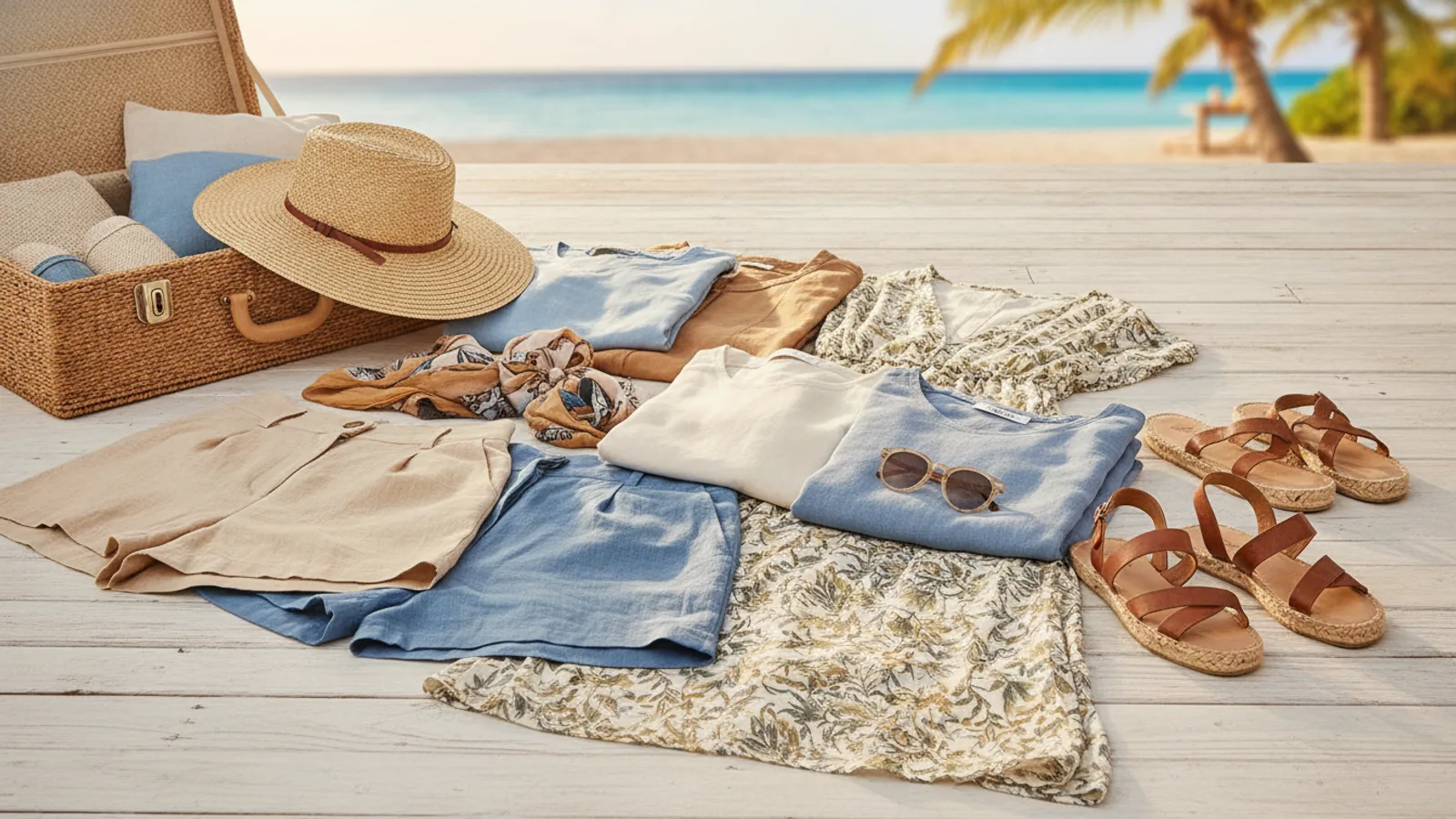
- Pack loose, light-coloured layers in breathable fabrics, plus a wide-brimmed hat, sunglasses, and sturdy sandals or closed shoes for mixed terrain.
- Plan for hot days and cooler evenings by including one light long-sleeve top, a compact rain shell, and a scarf or light jumper for air-conditioned spaces.
Before You Start
- Check the expected temperature range and rain likelihood for each region you will visit, because Australian summer varies from dry inland heat to humid coastal storms.
- Review your activity list and note which items need sun protection, quick drying, or extra coverage, such as hiking, swimming, or visiting formal venues.
- Sort your current wardrobe for light, breathable pieces that mix and match, then set aside anything heavy, dark, or tight that will trap heat.
- Test-pack your chosen items in a carry-on bag and walk around for ten minutes to confirm you can move freely and carry the load comfortably.
Step-by-Step Instructions
Start with breathable base layers
Begin by choosing your base layer, the clothing that sits directly against your skin. Look for light-coloured fabrics such as linen, cotton, or technical quick-dry blends that allow air to move and sweat to evaporate. Avoid heavy denim, thick polyester, and tight synthetic tops that trap heat. For each day of your trip, aim for one short-sleeve or sleeveless top and one pair of loose shorts or a skirt. A practical check is to hold the fabric up to a bright light: if you can see through it slightly, it will likely breathe well. This check matters because a fabric that blocks light often blocks airflow too, which can make a hot day feel much worse. Pack two or three base options so you can rotate them while others dry after washing.
Add smart sun coverage
After base layers, add sun coverage that works with the heat instead of against it. A wide-brimmed hat with a chin strap protects your face, ears, and neck, while sunglasses with proper UV filtering reduce eye strain. For longer outdoor days, include a lightweight long-sleeve shirt or a loose cover-up that you can throw on over your base layer. The goal is to cover skin without adding heavy warmth. A practical check is to stand in direct sunlight for two minutes with your chosen hat and top; if your face or shoulders feel exposed, adjust the fit or add a scarf. This check matters because sunburn can happen faster than you expect, and once your skin is burned, your clothing choices become uncomfortable for the rest of the trip. Keep these items accessible in your day bag.
Prepare for temperature swings
Australian summer days can be very hot, but evenings, air-conditioned shops, and coastal breezes can feel surprisingly cool. Build a small layer kit that adds warmth without bulk. Include one light jumper or fleece, one compact rain shell, and one pair of long trousers or leggings. These items should fold small and weigh little. A practical check is to dress in your full day outfit, then add and remove the layer kit while looking in a mirror; you should be able to adjust within seconds without removing your shoes or bag. This check matters because quick adjustments keep you comfortable during sudden changes, such as stepping from a hot street into a cool museum or from a sunny beach into a windy evening. Store the layer kit at the top of your bag for easy access.
Choose the right footwear
Footwear can make or break a summer travel day. Bring one pair of sturdy, closed walking shoes for long distances and uneven ground, and one pair of comfortable sandals for hot days and easy strolls. Avoid brand-new shoes that have not been broken in, because heat can make your feet swell and cause blisters. A practical check is to wear each pair around your home for an hour with the socks you plan to travel in, then inspect your heels and toes for redness or rubbing. This check matters because sore feet limit how much you can explore, and once a blister forms, every step becomes painful. Pack a few blister plasters and thin moisture-wicking socks. If you plan to swim, add water shoes or sandals that stay secure when wet.
Pack versatile bottoms and swimwear
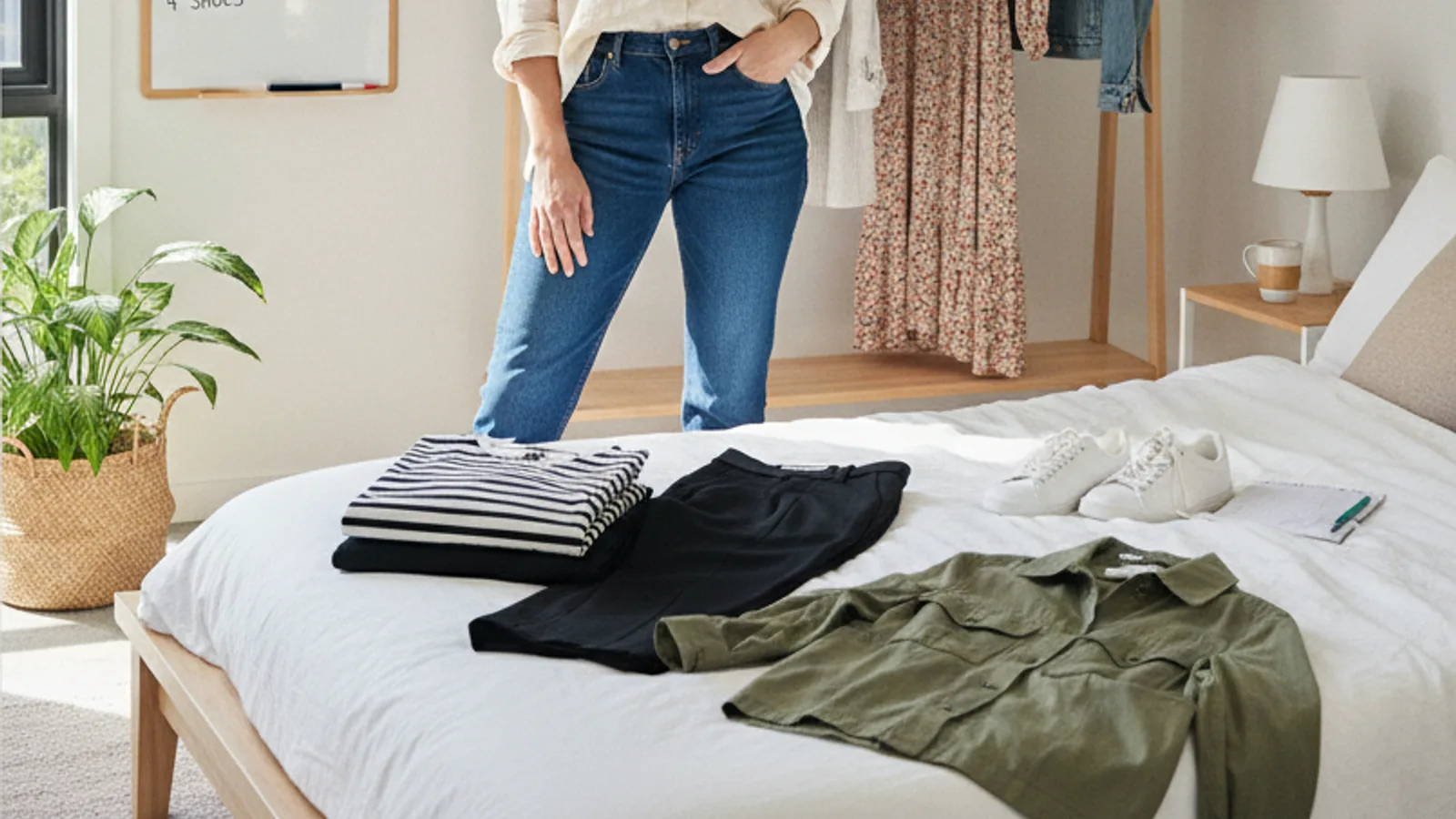
Bottoms take up the most space, so choose pieces that work for multiple activities. Loose shorts, a light skirt, and one pair of quick-dry trousers cover most situations. For swimwear, bring one or two suits that dry fast and fit securely, plus a light cover-up for walking to and from the water. A practical check is to lay all bottoms on a bed and match them with every top you packed; each bottom should work with at least two tops. This check matters because a small, matching wardrobe reduces packing volume and decision fatigue, leaving more room for essentials like sun protection and a water bottle. Test that waistbands sit comfortably when you bend, sit, and climb stairs. Avoid heavy seams or tight elastic that can chafe in heat and humidity.
Finalise with accessories and a test walk
Finish your wardrobe with small accessories that solve common summer problems. Add a light belt bag or small backpack for water, sunscreen, and your hat when you take it off. Include a reusable water bottle, a compact umbrella for sudden showers, and a few hair ties or clips for windy days. A practical check is to pack everything into your bag, then walk for twenty minutes outdoors in the middle of the day. Notice any rubbing, overheating, or items that shift uncomfortably. This check matters because it reveals real-world problems before your trip, when you can still swap items or adjust your packing list. After the walk, remove anything you did not use or that felt awkward, and confirm that your bag still closes easily. Repeat this test once more on a cooler evening.
Quick Reference
| Situation | Action | Why it helps |
|---|---|---|
| You are heading out for a full day of sightseeing in hot, sunny weather | Wear a light short-sleeve top, loose shorts or a skirt, a wide-brimmed hat, sunglasses, and closed walking shoes; carry a long-sleeve cover-up and water in a small bag. | This combination keeps you cool while protecting your skin and eyes, and the cover-up prepares you for air-conditioned stops or a sudden change in conditions. |
| You plan an evening walk or dinner after a hot day | Swap your shorts for light trousers or leggings and add a compact jumper or fleece; keep your rain shell in your bag in case of wind or showers. | Temperatures can drop quickly after sunset, and indoor spaces may be strongly cooled, so a light layer prevents discomfort without adding heavy clothing. |
| You are visiting a coastal area or going swimming | Pack quick-dry swimwear, a light cover-up, secure sandals or water shoes, and a hat; bring a dry bag or plastic pouch for your phone and keys. | Coastal conditions often combine strong sun, wind, and wet sand, so fast-drying items and secure footwear keep you comfortable and protect your belongings. |
Common Issues
- You packed dark, heavy clothing that feels unbearable in the heat: Set aside dark or thick items and replace them with light-coloured, loose layers in breathable fabrics; test each replacement by holding it up to light and checking that air passes through easily.
- Your feet hurt or blister after a few hours of walking: Switch to broken-in shoes with moisture-wicking socks, air your feet during breaks, and apply blister plasters at the first sign of rubbing; avoid wearing new sandals for long distances until they are softened.
- You feel cold in air-conditioned buildings or during sudden weather changes: Carry a compact layer kit with a light jumper, long trousers, and a rain shell in your day bag; add or remove these pieces quickly when you move between outdoor heat and cooled indoor spaces.
Advanced Tips
- Choose fabrics with a tight weave but light weight, because they can block more sun while still allowing sweat to evaporate.
- Use a small mesh laundry bag for dirty items so clean clothes stay fresh and you can find what you need without unpacking everything.
- Pack one outfit dedicated to sleeping or lounging, which keeps your day clothes cleaner and gives you something comfortable for warm nights.
Final Checklist
- Confirm your daily outfit includes a light base layer, sun hat, sunglasses, and closed walking shoes or sturdy sandals.
- Pack a compact layer kit with one jumper, one rain shell, and one pair of long trousers or leggings for cooler moments.
- Include quick-dry swimwear, a cover-up, and a small bag for water, sunscreen, and your hat when you take it off.
- Do a twenty-minute test walk in your full travel outfit and remove anything that rubs, overheats, or feels awkward.
FAQ
How many outfits should I pack for a summer trip in Australia?
Aim for three to four base outfits that mix and match, plus one layer kit and one swimwear set. This amount covers about a week if you rinse quick-dry items, and it keeps your bag light enough to carry comfortably.
What fabrics are best for hot Australian summer days?
Light-coloured linen, cotton, and quick-dry technical blends work well because they breathe and release moisture. Avoid heavy denim, thick polyester, and tight synthetic fabrics that trap heat and slow evaporation.
Do I need warm clothes for an Australian summer trip?
Yes, include one light jumper, one pair of long trousers or leggings, and a compact rain shell. Evenings, coastal breezes, and air-conditioned buildings can feel cool, and these pieces fold small without adding much weight.