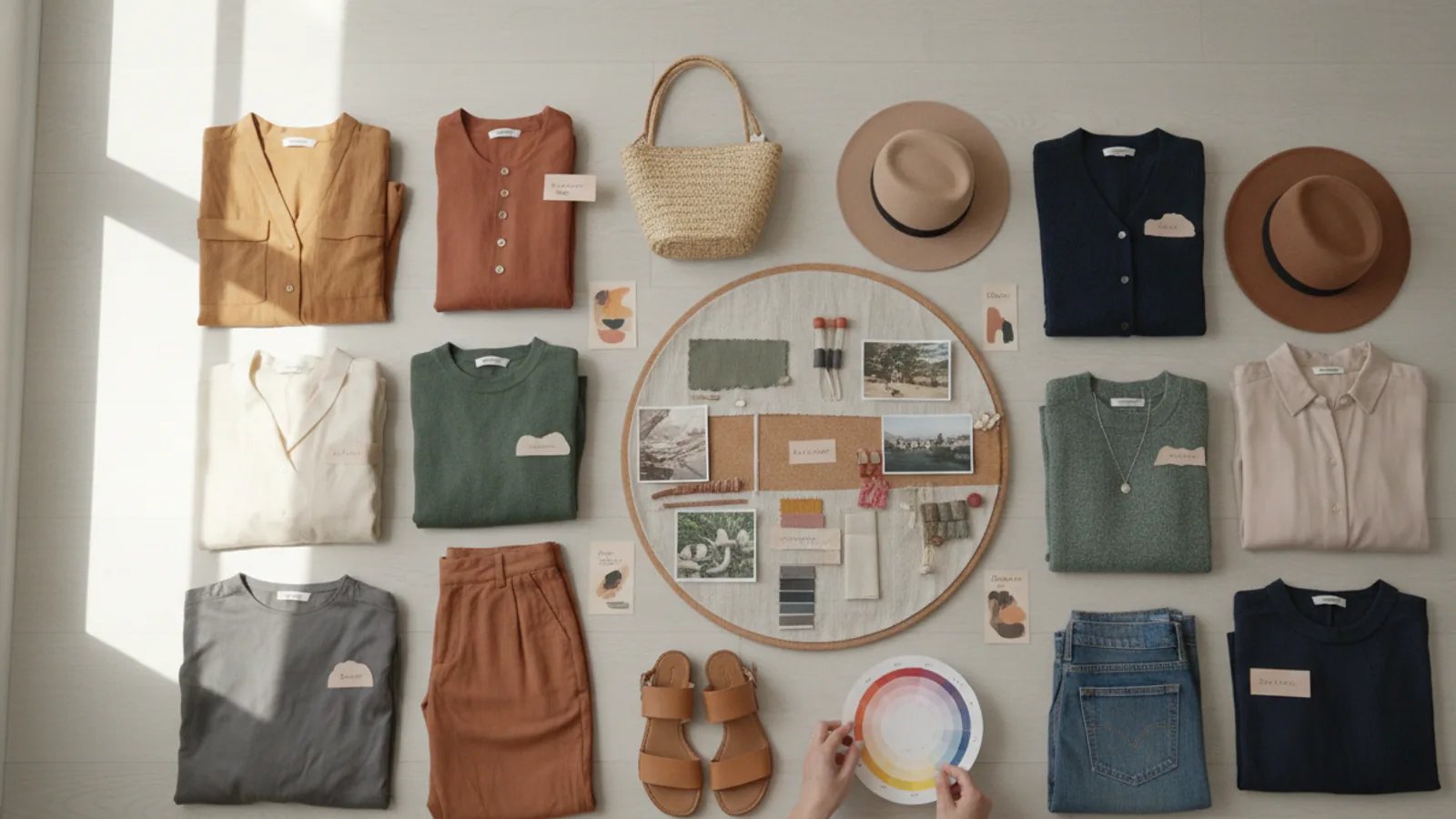
How To Check Garment Quality Before Buying
A practical step-by-step guide to how to check garment quality before buying, including preparation, instructions, common issues, tips, and next steps.
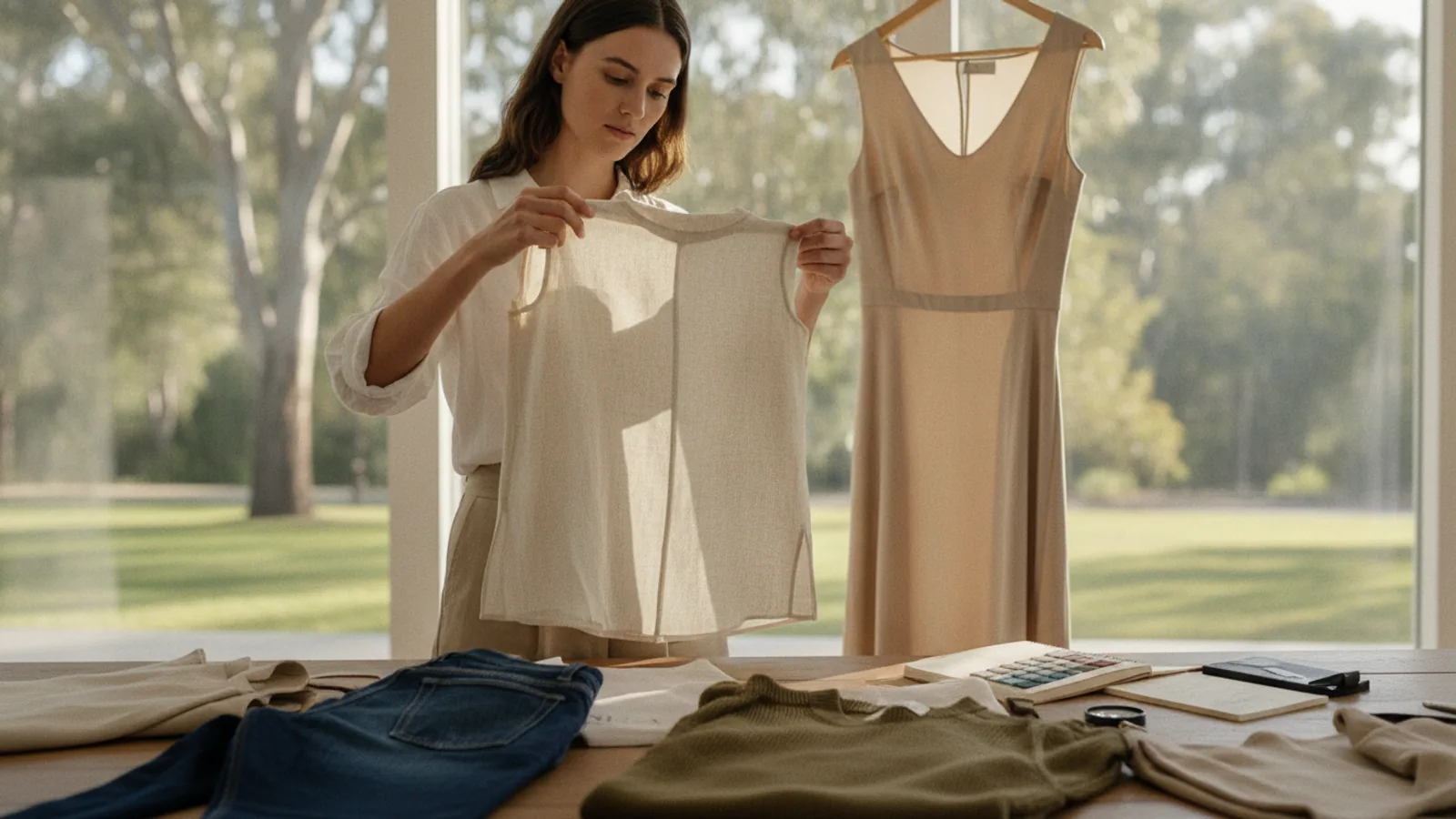
How To Check Garment Quality Before Buying
This guide explains how to check garment quality before buying so you can avoid disappointing purchases. You will learn to inspect fabric, seams, buttons, zippers, and labels using simple tests that need no special tools. The steps are arranged from general observation to detailed checks, helping you make a confident decision in any store or market.
Fast Answer
- Start by touching the fabric and stretching it gently to feel density and recovery, then examine seams, buttons, and zippers for secure construction.
- Turn the garment inside out to inspect hidden stitching, lining, and raw edges, because what is concealed often reveals the true quality.
Before You Start
- Find a well-lit area or bring the garment near a window so you can see fabric texture, stitch density, and any color inconsistencies clearly.
- Bring a small notepad or use your phone to note details like fiber content, care instructions, and any quality concerns for later comparison.
- If possible, wear or bring a similar garment you already own that fits well, so you can compare size, drape, and construction side by side.
- Check the store return policy and ask whether you can inspect the garment closely before purchase, especially for final-sale or discounted items.
Step-by-Step Instructions
Examine the fabric by touch and stretch
Begin by feeling the fabric between your fingers. Softness alone does not mean quality, so gently stretch a small section and release it. A good fabric returns to its original shape without sagging or staying stretched. Next, hold the fabric up to a light source and look for thin spots, uneven weave, or excessive transparency that may indicate poor density. Rub the surface to see if it pills or sheds fibers. For knits, check the recovery at the ribbing and cuffs. For woven fabrics, look for a tight, consistent weave. Also, crumple a corner in your hand and see how it releases; deep, stubborn wrinkles may mean the fabric lacks resilience. This check matters because fabric is the foundation of the garment, and no amount of nice stitching can fix weak material.
Inspect seams, stitching, and hems
Turn the garment inside out to see the seams clearly. Look for straight, even stitching with no loose threads, skipped stitches, or unraveling edges. Run your finger along the seam allowances; they should be finished, not raw, on quality garments. Check the hem to ensure it is even and securely stitched, with no twisting. For stress areas like shoulders, armholes, and crotch, look for reinforced stitching such as double-stitched or flat-felled seams. Gently pull the seam apart; if you see gaps or the thread breaks easily, the construction is weak. Also, check the seam density by counting stitches per inch, though this varies by fabric. This matters because seams hold the garment together, and poor stitching leads to early failure, even if the fabric looks nice.
Test buttons, zippers, and other closures
Check every button, snap, and zipper. Buttons should be securely attached with multiple stitches and no loose threads. Give each button a gentle tug; if it moves easily, it may fall off soon. For zippers, Zip and unzip the full length several times. It should glide smoothly without catching, and the teeth should align perfectly. Check the zipper pull and slider for sturdiness. For snaps, close and open them to feel a firm snap, not a weak hold. Hooks and eyes should be firmly sewn and align properly. Also, inspect any Velcro to see if it grips well and does not pull apart too easily. This check is important because closures are used constantly and a faulty one can make the garment unwearable.
Look for lining, interfacing, and inner structure
Many garments have a lining, interfacing, or inner canvas that affects fit and durability. Turn the garment inside out and inspect the lining. It should be smoothly attached, without puckers or loose threads. Check that the lining is sewn to the shell at key points, such as the shoulders and underarms, so it does not shift. For structured garments like jackets, feel for interfacing at the collar, lapels, and front edges. It should add body without making the fabric stiff or bubbly. Look for any fusible interfacing that may peel over time; gently pick at a corner to see if it lifts easily. Also, check for a back stay or tape at the shoulders to prevent stretching. This matters because inner structure gives shape and longevity, and hidden flaws often show up after a few wears.
Check labels, care instructions, and origin
Read all labels carefully. The fiber content tells you what the fabric is made of, which affects how it feels, wears, and cleans. Natural fibers like cotton and wool breathe well, while synthetics add durability but may pill. The care label explains how to wash, dry, and iron; if it says dry clean only, consider whether you will realistically do that. Look for a country of origin, though quality can vary anywhere. Check for any certifications or quality marks, but do not rely on them alone. Also, see if there is a spare button or thread packet attached. This check matters because improper care can ruin a garment, and knowing the fiber helps you predict how it will age. If the label is missing or unclear, that is a warning sign.
Try it on and move naturally
Put the garment on and move your arms, bend, sit, and twist. The fabric should follow your movements without pulling, bunching, or restricting. Check that the shoulders align with your natural shoulder line and that the seams do not dig in. Raise your arms; the hem should not ride up too much. Sit down to see if the garment feels tight or uncomfortable. Look in a mirror to see how it drapes and whether it wrinkles excessively when you move. For pants, squat and check the rise and crotch comfort. For tops, reach forward and see if the back pulls. This check is essential because a garment that fits poorly will rarely be worn, no matter how well it is made. Comfort and range of motion are key signs of good design.
Quick Reference
| Situation | Action | Why it helps |
|---|---|---|
| You are in a hurry and cannot inspect the whole garment closely. | Focus on three high-impact areas: the fabric stretch and recovery, the seam quality at stress points, and the function of the main closure. Gently pull a seam, test the zipper or buttons, and feel the fabric density. If any of these fail, put the garment back. | These three areas reveal most construction problems quickly. A weak seam, a faulty closure, or poor fabric will cause the garment to fail early, regardless of other details. |
| The garment is sold as final sale or without returns. | Inspect every detail you normally would, and then some. Check for fading, pilling, or snags under strong light. Look at the inside seams, lining, and hem. Try it on and move around. If you cannot try it on, measure a similar garment you own and compare the flat measurements. | Without a return option, you cannot fix a mistake later. A thorough inspection now prevents owning an unwearable item and losing your money. |
| The fabric feels nice but you are unsure about long-term durability. | Look at the care label and fiber content. Natural fibers like cotton and wool tend to age well with proper care, while some synthetics may pill or stretch. Also check the tightness of the weave or knit by holding it to light. Gently stretch and release to see if it springs back. | Fabric durability depends on fiber type and construction. A soft fabric that does not recover or has a loose weave may look good now but wear out quickly. |
Common Issues
- Loose threads and unfinished seams on the inside.: Turn the garment inside out and examine all seams. If you see many loose threads or raw edges, the construction is likely rushed. You can trim loose threads, but unfinished seams will fray over time. Consider whether you are willing to re-sew them yourself; if not, choose a different garment.
- Buttons or snaps that feel loose right away.: Test each button by wiggling it gently. If it moves easily, it may fall off soon. You can reinforce it with a few stitches at home, but if several are loose, the whole garment may be poorly made. Look for signs of weak thread or too few stitches. If you cannot repair it easily, keep looking.
- Zipper that sticks or separates after a few uses.: Zip and unzip the zipper several times before buying. If it catches or the teeth separate, it is a sign of poor quality. Sometimes a zipper can be lubricated with wax, but a faulty one is hard to fix. Check the slider and stops for sturdiness. If it does not glide smoothly now, it will only get worse.
Advanced Tips
- Check the grain of the fabric by looking at the selvage or the direction of the weave. A garment cut off-grain will twist after washing and never hang straight.
- Look for pattern matching at seams, especially on striped or plaid fabrics. Aligned patterns show care and attention to detail, while mismatched patterns indicate rushed manufacturing.
- Examine the thread color on the inside seams. A contrasting thread can be a design choice, but if it is a different color than the fabric and looks messy, it may be a sign of low-quality production.
Final Checklist
- Fabric stretches and returns to shape without sagging, and feels dense enough for the intended use.
- Seams are straight, evenly stitched, and finished on the inside with no loose threads or raw edges.
- Buttons, zippers, and other closures work smoothly and are securely attached with no signs of weakness.
- Care label is present and clear, and you are willing to follow the instructions to keep the garment looking good.
FAQ
How can I tell if a fabric will pill?
Pilling happens when loose fibers rub together and form small balls. To check, rub the fabric against itself or another rough surface a few times. If you see fuzz or small balls forming, it may pill over time. Also, look at the fiber content; some synthetic blends are more prone to pilling. A tight weave or knit reduces pilling because fibers are held more securely.
Is a higher thread count always better?
Not necessarily. Thread count measures the number of threads per square inch, but it can be manipulated. A very high count with thin threads may feel stiff or fragile. What matters more is the quality of the fiber and the tightness of the weave. For cotton, a moderate thread count with long-staple fibers often feels better and lasts longer than a very high count with short fibers.
Should I avoid garments made in certain countries?
No, quality can vary within any country. Instead of focusing on origin, inspect the garment itself. Look for consistent stitching, secure closures, and good fabric. A well-made garment can come from anywhere, and a poorly made one can too. Use the quality checks in this guide rather than making assumptions based on where it was made.