How To Choose Casual Dinner Outfits Without Feeling Underdressed
A practical step-by-step guide to how to choose casual dinner outfits without feeling underdressed, including preparation, instructions, common issues, tips, and next steps.
How To Choose Casual Dinner Outfits Without Feeling Underdressed
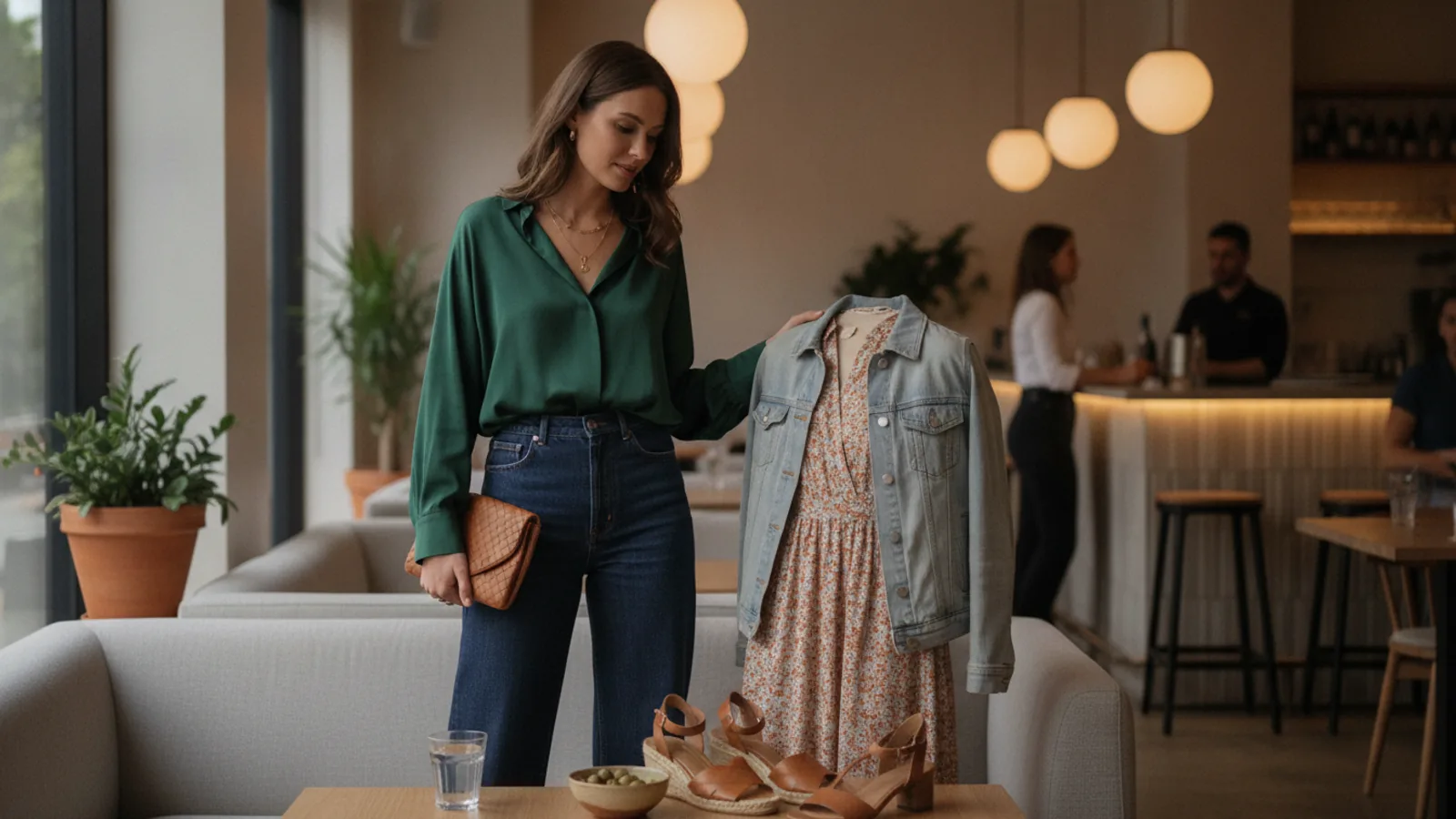
Choosing a casual dinner outfit without feeling underdressed is about balancing comfort with a touch of polish. The goal is to look intentional and relaxed, not like you just rolled out of bed or tried too hard for a formal event. By understanding the venue, the crowd, and your own style, you can assemble a look that feels right and lets you enjoy the evening. This guide walks you through preparation, a step-by-step method, and practical checks so you can walk into any casual dinner with confidence.
Fast Answer
- Aim for smart-casual: dark jeans or chinos with a clean top and closed shoes.
- Check the invitation or venue website for dress code hints and match the vibe.
Before You Start
- Look at the invitation, reservation confirmation, or venue social media for any dress hints or photos of past events.
- Choose your main piece first—pants, skirt, or dress—then build the rest of the outfit around it.
- Make sure everything is clean, wrinkle-free, and fits well; try it on before the day of the dinner.
- Prepare a backup layer like a light jacket or cardigan that can dress the look up or down as needed.
Step-by-Step Instructions
Research the Venue and Occasion
Start by gathering clues about the dinner setting. Read the invitation or reservation details for any dress code words like casual, smart casual, or festive. Check the venue website or social media for photos of the space and past diners to see what people typically wear. If it is a private home, ask the host what the plan is. The goal is to understand the context so you can match the level of formality. A beachside grill will have a different vibe than an upscale bistro. Write down two or three adjectives that describe the atmosphere, such as relaxed, trendy, or classic. This simple action gives you a clear target and prevents guessing. A quick check of these details matters because it anchors your choices in reality rather than assumptions. Without this step, you might default to either too dressy or too sloppy. Once you have your adjectives, you can move to your closet with purpose.
Pick a Strong Base Layer
Choose your main garment first: pants, a skirt, or a dress. For most casual dinners, dark jeans without rips, chinos, or a simple midi dress work well. The base sets the tone, so select something that fits you well and is comfortable for sitting and eating. Avoid items that are too tight or require constant adjustment. A practical check is to sit down, stand up, and walk a few steps in front of a mirror. If you have to tug or readjust, it is not the right base. This matters because discomfort will show and distract you from enjoying the meal. Also consider the fabric: natural fibers like cotton or linen breathe better and look more polished than shiny synthetics. Once you have a base you can move in, you have a solid foundation. Lay it on your bed and move to the next step.
Add a Clean, Simple Top
Now choose a top that pairs with your base. A crisp button-down shirt, a plain t-shirt in a solid color, or a nice blouse all work for casual dinners. The key is that the top should look clean and intentional—not faded, stretched out, or full of logos. Tuck it in, half-tuck it, or leave it out depending on the silhouette you want. A good check is to look at the neckline and sleeves: they should lie flat and not gape or pinch. This step matters because the top is closest to your face and often the first thing people notice. If it looks sloppy, the whole outfit suffers. Also think about layers: a light sweater or a casual blazer can add polish without formality. Try on two or three options and pick the one that feels most like you. Then move on to shoes.
Choose Comfortable but Polished Shoes
Shoes can make or break a casual outfit. For most dinners, closed-toe shoes like clean sneakers, loafers, flats, or low boots are safe choices. Avoid flip-flops, heavy athletic shoes, or worn-out sandals unless the venue is extremely relaxed. The shoes should be clean and in good condition. A practical check is to walk around your home for a few minutes to ensure they do not rub or slip. This matters because you will likely be standing, walking to a table, and possibly socializing. Uncomfortable shoes will make you want to leave early. Also consider the weather and ground surface: heels can sink into grass, and suede can get ruined by rain. Pick a pair that balances style with function. Once your shoes are on, look at your full reflection and adjust as needed.
Accessorize with Restraint
Accessories add personality but can quickly make a casual outfit feel overdone. Stick to one or two pieces: a watch, a simple bracelet, small earrings, or a lightweight scarf. Avoid large statement jewelry, multiple rings, or noisy bangles that clink on the table. The goal is to enhance, not distract. A good check is to remove one accessory before you leave—often less is more. This step matters because too much bling can look like you are trying too hard, while none can feel unfinished. Also consider a bag: a small crossbody or clutch is better than a bulky backpack for dinner. Make sure your accessories do not interfere with eating or sitting comfortably. Look in the mirror and ask if the accessories feel like a natural extension of your outfit. If yes, you are ready for the final check.
Do a Final Full-Length Check
Before you walk out the door, stand in front of a full-length mirror in good lighting. Look at your outfit from the front, side, and back. Check for wrinkles, tags, loose threads, or stains. Make sure your undergarments are not visible and that everything sits where it should. Sit down and stand up again to see how the outfit behaves. A practical check is to take a photo of yourself with your phone—sometimes the camera reveals issues you miss in the mirror. This matters because a quick final review prevents embarrassing surprises and boosts your confidence. Also consider the lighting at the venue: bright daylight shows more detail than dim restaurant lighting, so if you are going somewhere well-lit, be extra careful. Once you pass this check, you can leave knowing you look appropriately casual and put-together.
Quick Reference
| Situation | Action | Why it helps |
|---|---|---|
| You are invited to a casual dinner at a friend's home. | Wear dark jeans or chinos with a clean t-shirt or blouse, and comfortable flats or clean sneakers. | This combination is relaxed enough for a home setting but still shows you made an effort, so you will not feel out of place. |
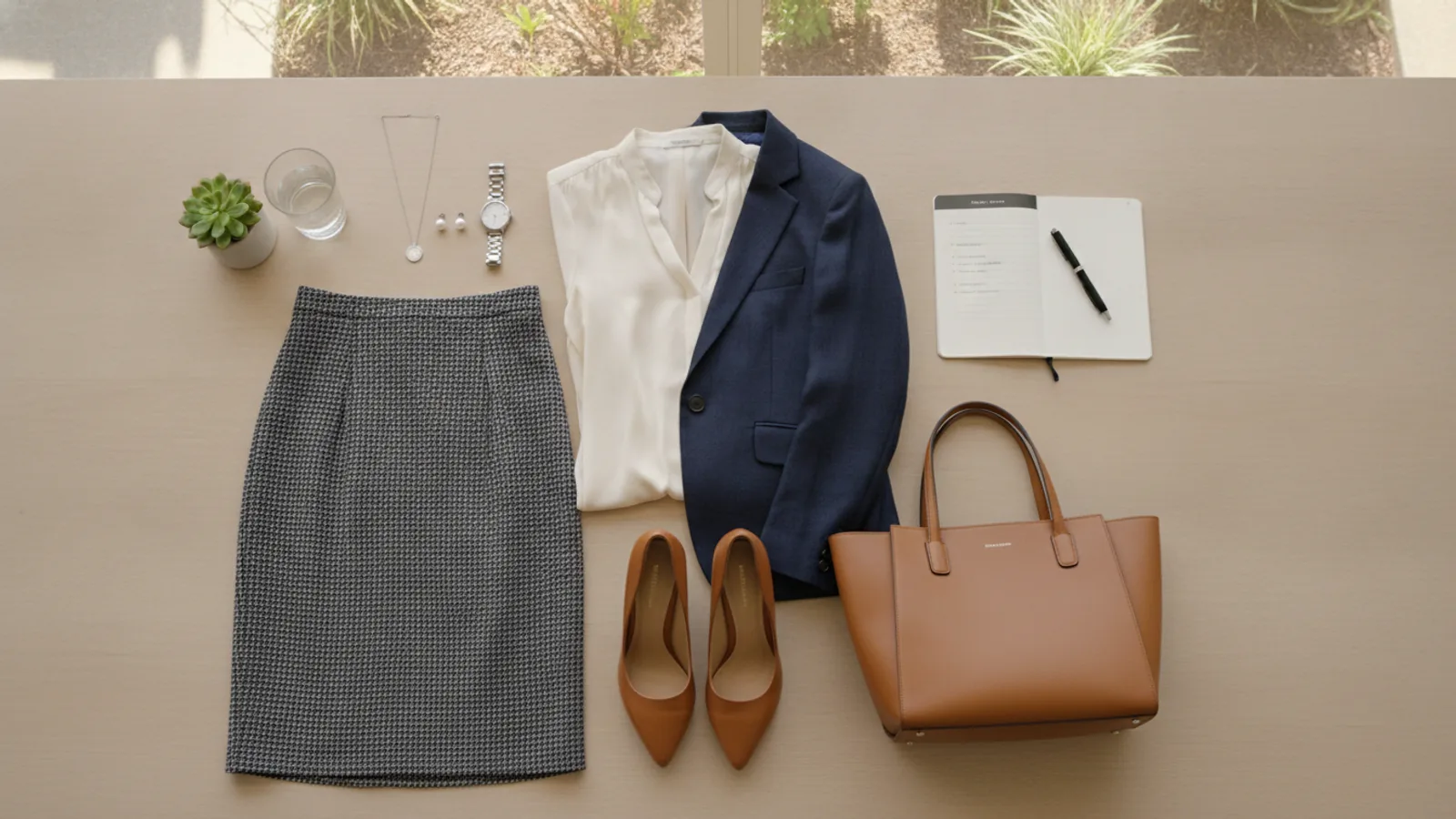
| The dinner is at a trendy bistro with no dress code listed. | Opt for smart-casual: tailored pants or a midi skirt with a button-down shirt and loafers or low heels. | Trendy places often have a mix of styles, and smart-casual hits the middle ground, keeping you comfortable and stylish without overdressing. |
| You are meeting your partner's family for a casual dinner. | Choose a neat pair of dark jeans, a nice sweater or blouse, and closed-toe shoes like flats or boots. | This look is respectful and put-together, which helps make a good impression while still feeling casual and approachable. |
Common Issues
- You feel underdressed because everyone else is in dresses or blazers.: Add a layer like a casual blazer or a statement necklace, and swap sneakers for loafers or flats. If you can, adjust your outfit with what you have or keep a spare scarf in your bag to elevate the look quickly.
- Your outfit is too formal for a backyard barbecue dinner.: Remove formal elements: take off the blazer, swap heels for sandals or clean sneakers, and replace a structured bag with a casual tote. Roll up sleeves and untuck your shirt for a more relaxed feel.
- You are uncomfortable because your clothes are too tight or stiff.: Choose stretchy fabrics and a looser fit next time. For now, if possible, unbutton the top button, remove a belt, or switch to a softer top you have in your car or bag. Comfort is key to enjoying the evening.
Advanced Tips
- Build a capsule wardrobe of versatile pieces in neutral colors so you can mix and match for any casual dinner without stress.
- Pay attention to fabric quality: well-made cotton, linen, or wool blends look more expensive and photograph better than thin synthetics.
- When traveling, pack a wrinkle-resistant outfit that can be dressed up with a scarf or jewelry for unexpected dinner invitations.
Final Checklist
- Outfit is clean, wrinkle-free, and fits well when you sit and stand.
- Shoes are comfortable, clean, and appropriate for the venue's surface and weather.
- Accessories are minimal and do not distract or make noise while eating.
- You have a light layer or backup item in case the venue is cooler or warmer than expected.
FAQ
What does smart casual mean for a dinner?
Smart casual is a mix of relaxed and polished. For men, it often means dark jeans or chinos with a button-down shirt and loafers. For women, it can be a midi skirt or tailored pants with a nice top and flats or low heels. The key is to look put-together but not overly formal. Avoid athletic wear, ripped clothing, and flip-flops. When in doubt, choose one step up from your usual casual outfit.
Can I wear jeans to a casual dinner?
Yes, jeans are usually fine for casual dinners, but choose a dark, clean pair without rips or distressing. Pair them with a nice top and closed-toe shoes to keep the look polished. Avoid faded or baggy jeans that look worn out. If the venue is more upscale, opt for chinos or a skirt instead. Dark jeans are versatile and can be dressed up with a blazer or nice jewelry.
How do I know if I am underdressed?
If you feel self-conscious or notice others are significantly more dressed up, you might be underdressed. Signs include wearing activewear when others are in button-downs, or wearing flip-flops when others wear closed shoes. To avoid this, research the venue beforehand and aim for smart casual as a safe default. If you arrive and feel out of place, you can often adjust by adding a layer or accessory you brought along.