How To Find Australian Made Accessories Brands
A practical step-by-step guide to how to find Australian made accessories brands, including preparation, instructions, common issues, tips, and next steps.
How To Find Australian Made Accessories Brands
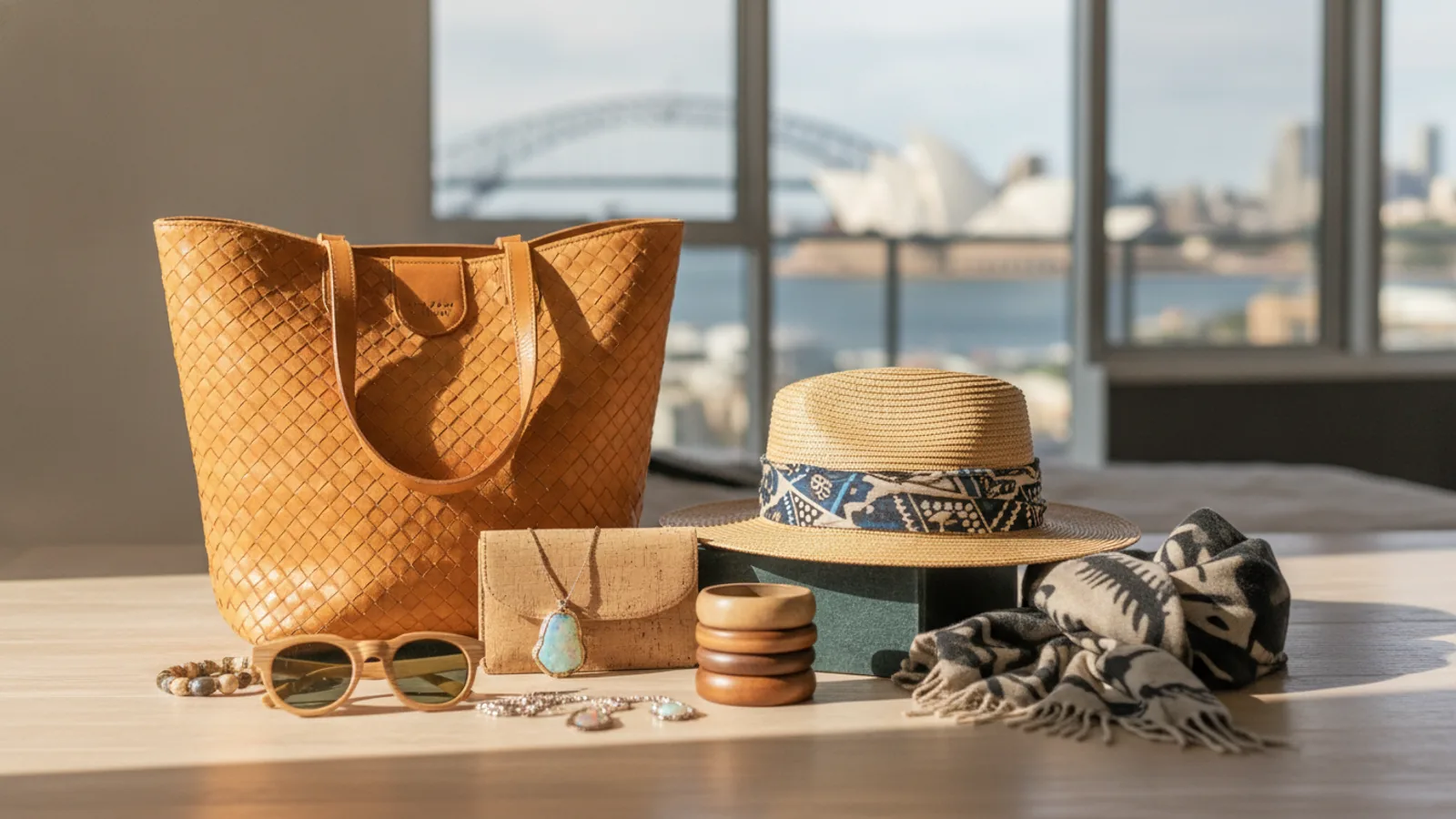
Finding authentic Australian made accessories brands requires a calm, methodical approach that focuses on verifiable labels, local sourcing clues, and direct brand research rather than relying on vague marketing claims or imported lookalikes.
Fast Answer
- Start by searching for the official Australian Made logo on product packaging or brand websites, then verify the claim through the official certifier's public directory.
- Check the brand's own website for a clear statement about where the product is made and look for a physical address or local business number.
Before You Start
- Gather a list of accessory types you need, such as bags, belts, hats, or phone cases, so your search stays focused.
- Open a notes app or notebook to record brand names, website links, and any label details you find for later comparison.
- Set aside time to visit brand websites directly instead of only browsing social media feeds, because official sites usually provide clearer sourcing information.
- Prepare a simple checklist of what 'Australian made' means to you, such as being made here versus merely designed here, to avoid confusion.
Step-by-Step Instructions
Search with precise local terms
Begin your search by using specific phrases that combine your accessory type with clear sourcing words, such as 'Australian made leather belt' or 'locally made canvas bag'. Add terms like 'certified' or 'registered' to filter out brands that only use fuzzy language. Use a general web search engine and look at the first few pages of results, but do not stop at the first brand you see. Open each promising result in a new tab so you can compare them side by side. A practical check is to scan the search result snippet for the words 'made in Australia' or the name of the official certification body. This matters because search engines often rank popular imported brands highly, and precise terms help you avoid wasting time on products that are not actually made here.
Visit the brand website directly
Once you have a list of potential brands, go directly to their official websites instead of trusting marketplace listings or social media profiles. On the homepage, look for an 'About' page, a 'Our Story' section, or a 'Sustainability' page. These pages often explain where the products are manufactured. A practical check is to use the website's search function or a site-wide search for the phrase 'made in' to quickly locate any manufacturing statements. If the website does not mention manufacturing location at all, treat that as a yellow flag. This check matters because a brand that is proud of local manufacturing will usually state it clearly and repeatedly, while a brand that avoids the topic may be hiding an overseas supply chain.
Verify the official certification logo
Many genuine Australian made products carry a specific certification logo, often a green and gold triangle with a kangaroo. When you see this logo on a product page or packaging, do not assume it is real. Instead, go to the official certifier's website and use their public search tool to look up the brand name. A practical check is to enter the brand's name exactly as it appears on the label and see if a valid certificate is listed. If the brand does not appear, ask the brand directly for their certificate number. This step matters because counterfeit or misleading logos exist, and only the official directory can confirm that a product truly meets the certification standards.
Check product labels and packaging details
If you are shopping in a physical store or viewing product photos online, zoom in on the label or packaging. Look for a clear statement such as 'Made in Australia' along with a percentage of local content if provided. A practical check is to read the entire label, including the fine print, because some brands put 'Made in Australia from local and imported ingredients' which is a different claim. Also check the back of the label for a manufacturer's address. If the label only says 'Designed in Australia' or 'Australian owned', that is not the same as being made here. This check is important because packaging can be designed to look local while the actual product is manufactured elsewhere, and only a careful read reveals the truth.
Ask the brand directly with specific questions
When a brand's website or label is unclear, send a polite email or use their contact form. Ask direct questions: 'Where is this product manufactured?' and 'Can you provide the name of your manufacturing facility?' A practical check is to see how quickly and how clearly they respond. A genuine local maker will usually answer within a few business days and give you a straight answer. If they dodge the question or reply with vague marketing language, consider that a strong sign to look elsewhere. This step matters because direct communication cuts through marketing spin and gives you a real person's answer that you can hold them to.
Cross-check with local maker communities
Join online forums, social media groups, or community boards that focus on Australian-made products or local crafts. Search within those groups for your accessory type and read what other members recommend. A practical check is to look for posts where people share photos of labels or receipts as proof of purchase. Also, note if the same brand is recommended by multiple unrelated users over time. This matters because community knowledge can reveal brands that do not spend much on advertising but have a long history of local manufacturing. However, always verify any recommendation yourself using the official certification directory or the brand's own statements.
Quick Reference
| Situation | Action | Why it helps |
|---|---|---|
| You see a product online with a green and gold logo but you are not sure if it is real. | Go to the official certifier's website and search for the brand name in their public directory; if it is not listed, contact the brand and ask for their certificate number. | Only the official directory can confirm that the certification is current and valid, because logos can be copied or misused by uncertified sellers. |
| A brand's website says 'Australian owned' but does not mention where the product is made. | Look for a separate 'Made in' statement on the product page or packaging; if it is missing, email the brand and ask directly where the item is manufactured. | Australian ownership refers to who owns the company, not where the product is made, so you need explicit manufacturing information to confirm local production. |
| You are in a store and want to check a label quickly without buying the wrong item. | Read the entire label, including fine print, and look for the phrase 'Made in Australia' along with a local address; take a photo of the label to review later. | Some labels use confusing wording like 'made in Australia from imported ingredients', which does not mean the product is fully Australian made. |
Common Issues
- The brand uses the phrase 'designed in Australia' but avoids saying where it is made.: Treat 'designed in Australia' as a design claim only. Look for a separate 'Made in' statement. If none exists, contact the brand and ask for the manufacturing location. If they cannot or will not tell you, assume the product is made overseas and continue searching for a brand that is transparent.
- You find a brand that seems local but has no contact address or phone number.: A lack of contact details is a warning sign. Try searching the brand name together with the word 'address' or 'ABN' to see if any public records appear. If you still cannot find a physical location, move on to a brand that clearly lists a local address, because genuine local makers usually want you to know where they are.
- A product is labelled 'Australian made' but the price seems unusually low compared to similar items.: Do not assume low price means fake, but use it as a prompt to double-check. Verify the certification logo in the official directory and read the label carefully. If the certification checks out, the low price may simply be a good deal. If it does not check out, look for another brand. Always trust verification over price assumptions.
Advanced Tips
- Look for brands that list their suppliers or manufacturers on their website, as this level of transparency often indicates a genuine commitment to local production.
- When browsing markets or fairs, ask stallholders directly about where their accessories are made and whether they can show you a certificate or label on the spot.
- Set up a saved search on a second-hand or handmade marketplace using terms like 'Australian made' and your accessory type to discover smaller brands that do not appear in general web searches.
Final Checklist
- I have checked the brand's website for a clear 'Made in Australia' statement and a physical local address.
- I have verified any certification logo by searching the official certifier's public directory.
- I have read the full product label for wording that could confuse 'made' with 'designed' or 'owned'.
- I have contacted the brand directly if any information was unclear and received a specific answer.
FAQ
What is the difference between 'Australian made' and 'Australian owned'?
'Australian made' means the product was manufactured in Australia and often meets specific certification standards. 'Australian owned' means the company is owned by Australian residents, but the product could be made in another country. Always look for a separate 'Made in' statement to know where the item was actually produced.
How can I verify a logo that claims Australian made status?
Go to the official certifier's website and use their public search tool. Enter the brand name exactly as it appears on the label. If the brand is listed, the certification is likely valid. If it is not listed, ask the brand for their certificate number or look for another product that can be verified.
Are online marketplaces reliable for finding Australian made accessories?
Online marketplaces can be a starting point, but they often mix local and imported goods without clear labels. Use them to discover brand names, then go directly to the brand's own website to check manufacturing details and certification. Never rely solely on a marketplace listing for sourcing claims.