How To Choose Workwear For Hot Australian Commutes
A practical step-by-step guide to how to choose workwear for hot Australian commutes, including preparation, instructions, common issues, tips, and next steps.
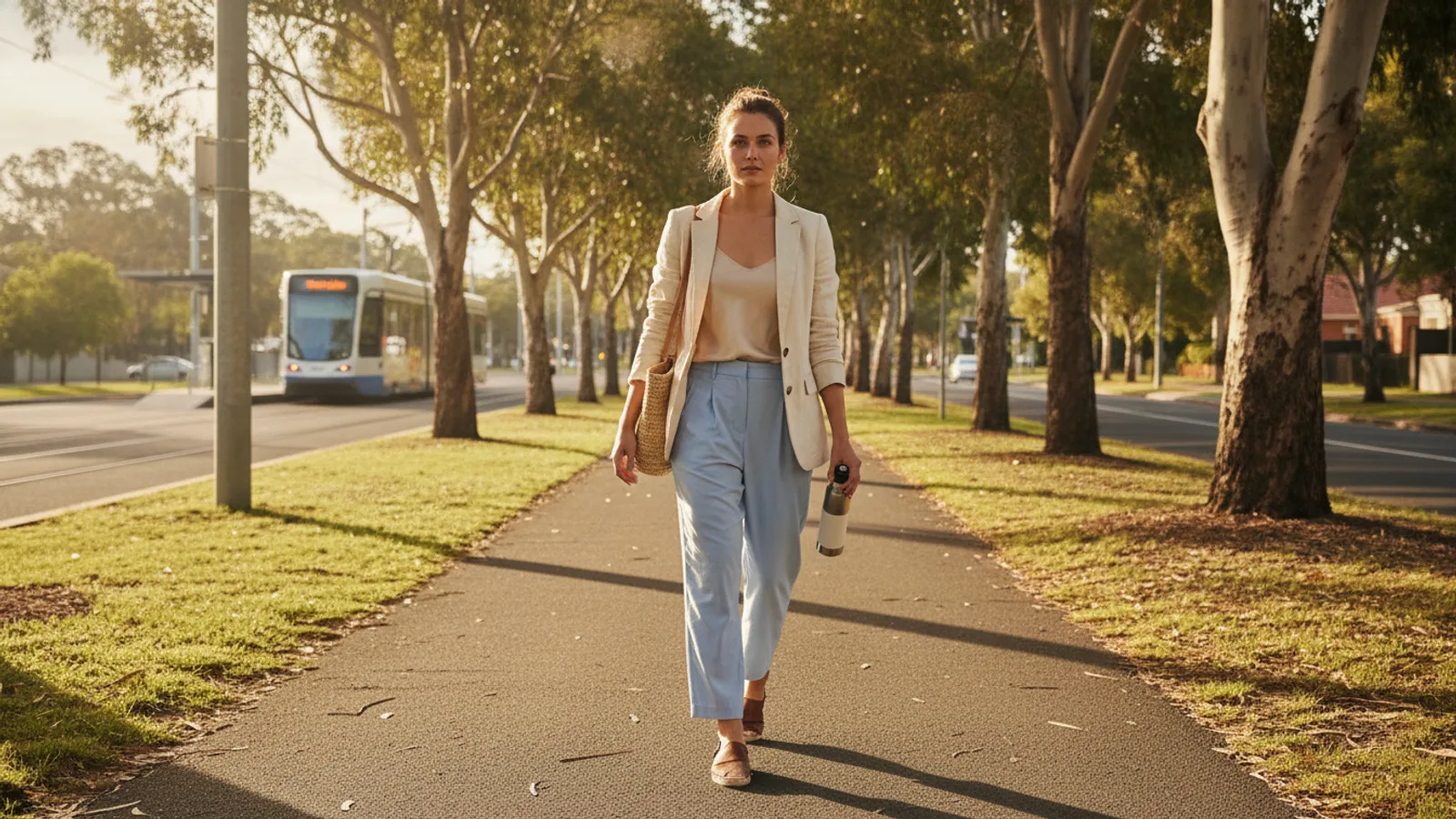
How To Choose Workwear For Hot Australian Commutes
Choosing workwear for hot Australian commutes means balancing heat, humidity, sweat, sun exposure, and the need to look composed when you arrive. The best system uses light-coloured, breathable layers, smart fabric choices, and a simple plan for cooling down and managing sweat before you start work. This guide walks through preparation, six practical steps, troubleshooting, and a final checklist so you can build a commute wardrobe that keeps you comfortable from door to desk without overthinking it.
Fast Answer
- Wear light-coloured, loose-fitting layers in breathable natural or technical fabrics, and carry your heavy or formal items in a bag so your body stays cool on the move.
- Plan your route and timing around the hottest part of the day, and build in a few minutes at the other end to cool down, blot sweat, and change into your work layer.
Before You Start
- Check the day's forecast, humidity, and ultraviolet index so you know whether you need sun protection, a rain layer, or extra cooling breaks on your commute.
- Lay out two clothing sets the night before: one light travel set for the journey and one clean work set that stays folded in your bag until you arrive.
- Test your chosen fabrics at home by wearing them for twenty minutes in warm conditions, so you learn which pieces cling, trap heat, or show sweat marks.
- Pack a small kit with a microfibre towel, unscented wipes, a refillable water bottle, and a spare undershirt so you can refresh without hunting for supplies.
Step-by-Step Instructions
Choose breathable base fabrics
Start with the layer closest to your skin, because it controls how quickly sweat moves away from your body. Look for lightweight fabrics with an open weave, such as linen, cotton, or technical knits described as moisture-wicking. Hold the fabric up to a light: if you can see through it clearly, air will pass through it too. Avoid heavy cotton drill, thick polyester, and coated or rubberised materials, which trap heat and moisture against your skin. Practical check: press the fabric to your forearm for ten seconds. If your skin feels clammy straight away, the fabric will feel worse after twenty minutes of walking. This check matters because a base layer that holds moisture keeps you damp, chafed, and uncomfortable long after you stop moving.
Build a light outer layer
Your outer layer should block sun or wind without becoming a second blanket. Choose a loose, light-coloured overshirt, a thin long-sleeve top, or a breathable jacket that you can remove and fold into your bag. Loose fit matters more than thickness: a gap between fabric and skin lets air move and lets sweat evaporate. Test the layer by doing a brisk two-minute walk indoors or in shade, then check whether your back feels wet. If it does, the layer is too heavy or too close-fitting for your commute. Also check the collar and cuffs: they should sit comfortably without pressing on your neck or wrists. This matters because tight openings reduce airflow at the points where your body releases the most heat, making the whole outfit feel hotter than it needs to.
Plan colour and visibility
Light colours reflect more sunlight and hide the pale salt lines that darker fabrics often show, which is why whites, creams, pale blues, and soft greys work well for hot commutes. At the same time, you need to be seen if you walk or cycle near traffic or cross busy roads in low light. Use contrast: a light top with a darker bag strap or a bright accessory gives both heat comfort and visibility. Check your outfit in a mirror under indoor and outdoor light, and take a photo in shade and sun to see how it reads. This check matters because a colour that looks calm indoors can blend into background glare outside, and visibility affects your safety as well as your comfort.
Manage sweat and freshness
Even with good fabrics, you will sweat on a hot commute, so plan for it rather than fighting it. Apply a gentle antiperspirant or deodorant to clean, dry skin before you dress, and let it settle fully. Wear a light undershirt that you can change when you arrive, and keep the work layer folded until you are cool. Carry a small towel or handkerchief to blot your face and neck instead of wiping with your sleeve, which spreads sweat and marks fabric. Practical check: after your commute, blot your forehead with a tissue before you enter the building. If the tissue is soaked, add an extra cooling stop or leave earlier next time. This check matters because it turns a vague feeling of overheating into a clear signal you can act on.
Adapt footwear and socks
Hot feet make a whole commute feel worse, so treat footwear as part of your cooling system. Choose breathable shoes with a light upper and a sole that does not trap heat, and avoid thick socks that hold moisture. If you must wear formal shoes at work, carry them in your bag and travel in comfortable, breathable shoes. Socks should be thin, light-coloured, and made from a fabric that dries quickly. Practical check: at the end of your journey, press a finger inside your shoe near the toe. If it feels damp and warm, your footwear is holding moisture and you should change socks or rotate shoes. This check matters because damp feet lead to blisters, odour, and skin problems that build up over a week of commuting.
Cool down before you arrive
Build a short cool-down routine into the end of your journey so you do not arrive flushed and sticky. A few minutes before your stop, step into shade, slow your pace, and drink some water. At the other end, find a washroom or quiet corner, remove your outer layer, and blot your face, neck, and arms with a damp cloth or towel. Let your body settle for two or three minutes before putting on your work layer. Practical check: place the back of your hand against your neck. If it still feels hot after a few minutes of rest, wait a little longer or use cool water on your wrists. This check matters because dressing while you are still hot traps that heat under your work clothes and can leave you uncomfortable for the first hour of your day.
Quick Reference
| Situation | Action | Why it helps |
|---|---|---|
| You commute during the hottest part of a summer afternoon. | Shift your travel time earlier or later if you can, choose a route with shade or air-conditioned waiting areas, and carry water so you can sip before, during, and after the journey. | Avoiding peak heat reduces how much you sweat, which keeps your work clothes cleaner and lowers the chance of feeling drained when you arrive. |
| Your office dress code expects a formal look but the weather is hot and humid. | Travel in light, breathable clothes and carry the formal jacket, shoes, and any heavy accessories in a garment bag or backpack, then change in a washroom or office before your first meeting. | Separating travel clothes from work clothes lets you meet the dress code without wearing heat-trapping layers on a crowded, warm journey. |
| You sweat heavily on a short walk to public transport. | Wear a moisture-wicking base layer, use a small towel to blot before boarding, and keep a spare undershirt in your bag so you can swap it once you are cool and dry. | A quick change removes damp fabric from your skin, which reduces chafing and odour and helps you feel composed rather than sticky for the rest of the day. |
Common Issues
- Dark clothing shows visible sweat patches early in the commute.: Switch to light-coloured or patterned tops and add a light, loose outer layer that you can remove once you are cool. Patterns and mid-tones hide marks better than solid dark or solid white fabric, and a removable layer lets you change your look without carrying a full second outfit.
- Fabric sticks to your skin and feels clammy within minutes.: Choose looser cuts and lighter weaves, and avoid tight waistbands, cuffs, and collars that trap air. Test each piece with a short indoor walk before relying on it, and replace any item that stays damp for more than a few minutes, because clinging fabric blocks airflow and keeps sweat against your skin.
- You arrive hot and cannot cool down before work starts.: End your journey a few minutes early, find shade or a cool indoor space, remove your outer layer, blot sweat, and drink water before dressing in your work layer. Rushing straight from a hot carriage into a meeting keeps your body temperature high, so a short pause makes you far more comfortable.
Advanced Tips
- Use a two-layer system where the base layer manages moisture and the outer layer manages sun and wind, so you can add or remove warmth without changing your whole outfit.
- Choose fabrics with a visible open weave and hold them against a light source to compare airflow before you buy, because appearance alone rarely shows how well a material breathes.
- Keep a small rotation of commute outfits so each set has time to air and dry between wears, which extends fabric life and reduces lingering odour.
Final Checklist
- Forecast, humidity, and ultraviolet index checked before choosing today's layers.
- Light-coloured, loose, breathable travel outfit laid out with a clean work layer packed separately.
- Cooling and freshening kit packed: water, towel, wipes, and a spare undershirt.
- Route and timing reviewed for shade, air-conditioned waiting areas, and a cool-down stop near work.
FAQ
What fabric is best for a hot, humid commute?
Lightweight linen, cotton, and technical moisture-wicking knits work well because they allow air to pass and move sweat away from your skin. Avoid heavy drill, thick polyester, and coated fabrics, which trap heat and moisture. Test any fabric by holding it against a light and pressing it to your skin; if it feels clammy quickly, it will feel worse during a full journey.
How do I stay presentable when I sweat a lot?
Wear a changeable base layer, carry your formal pieces separately, and build in a few minutes to blot sweat and cool down before you dress for work. Light colours and patterns hide marks better than solid dark fabrics. Keep a small kit with a towel, wipes, and a spare undershirt so you can refresh without needing to find supplies when you arrive.
Should I wear long sleeves in the heat?
Loose, light-coloured long sleeves can be cooler than bare skin because they block direct sun and reduce heat gain. The key is airflow: the fabric should sit away from your skin and feel light when you move. If a long-sleeve layer feels heavy or traps moisture during a short test walk, choose a lighter weave or a short-sleeve option with sun protection instead.