How To Plan Smart Casual Outfits For Australian Offices
A practical step-by-step guide to how to plan smart casual outfits for Australian offices, including preparation, instructions, common issues, tips, and next steps.
How To Plan Smart Casual Outfits For Australian Offices
Planning smart casual outfits for Australian offices means balancing comfort for warm weather with a polished look that suits meetings and casual Fridays. This guide walks you through assessing your workplace, choosing versatile pieces, and building a capsule rotation so you can get dressed quickly and confidently.
Fast Answer
- Start by observing what colleagues and managers wear, then aim to dress one notch above the average to show professionalism without overdressing.
- Choose wrinkle-resistant fabrics like cotton blends and merino wool, and keep a neutral base with one accent colour for easy mixing.
Before You Start
- Check your workplace dress code in your employee handbook or ask HR directly, because smart casual can mean different things in different offices.
- Audit your wardrobe for versatile pieces such as dark trousers, plain shirts, and clean sneakers or loafers that can be mixed and matched.
- Consider the Australian climate: light layers for hot summers, a smart jacket for cooler mornings, and breathable fabrics for humid days.
- Set a simple colour palette of two neutrals and one accent so every top works with every bottom, reducing daily decision fatigue.
Step-by-Step Instructions
Assess Your Office Dress Code
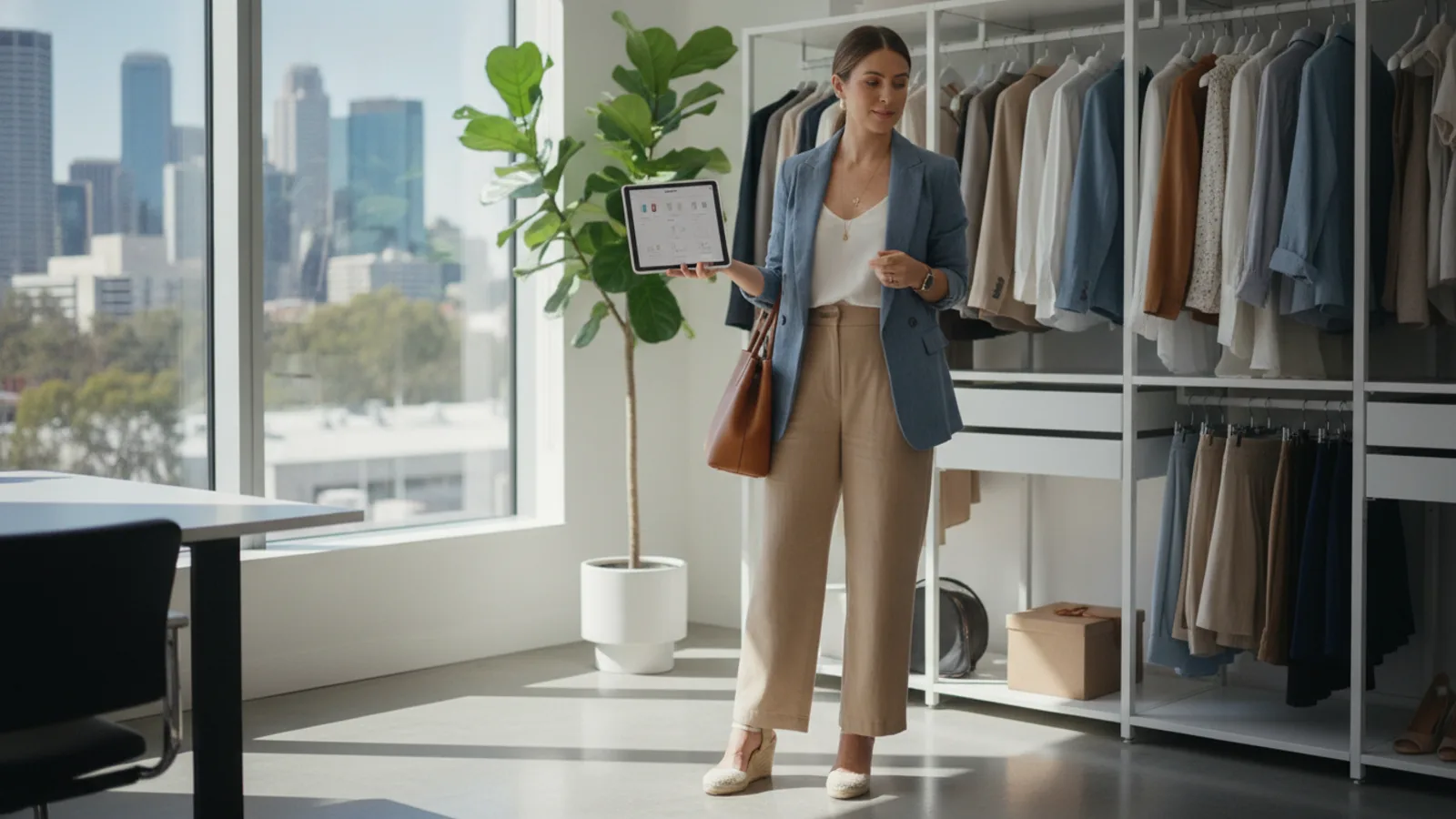
Begin by observing what people at your level and one level above you wear on regular days versus casual Fridays. Note the most common combinations, such as chinos with a button-down shirt or a smart dress with flats. If you are new, ask your manager directly: 'What does smart casual look like here?' or check your employee handbook. This matters because dressing too casually can undermine your credibility, while overdressing can make you seem out of touch with the team culture. Once you have a baseline, aim to dress slightly above the average, not at the extreme. For instance, if most people wear polo shirts, choose a collared shirt instead. This small step sets a professional tone without standing out awkwardly. Reassess each season, as dress norms can shift with new projects or leadership.
Build a Core Capsule Wardrobe
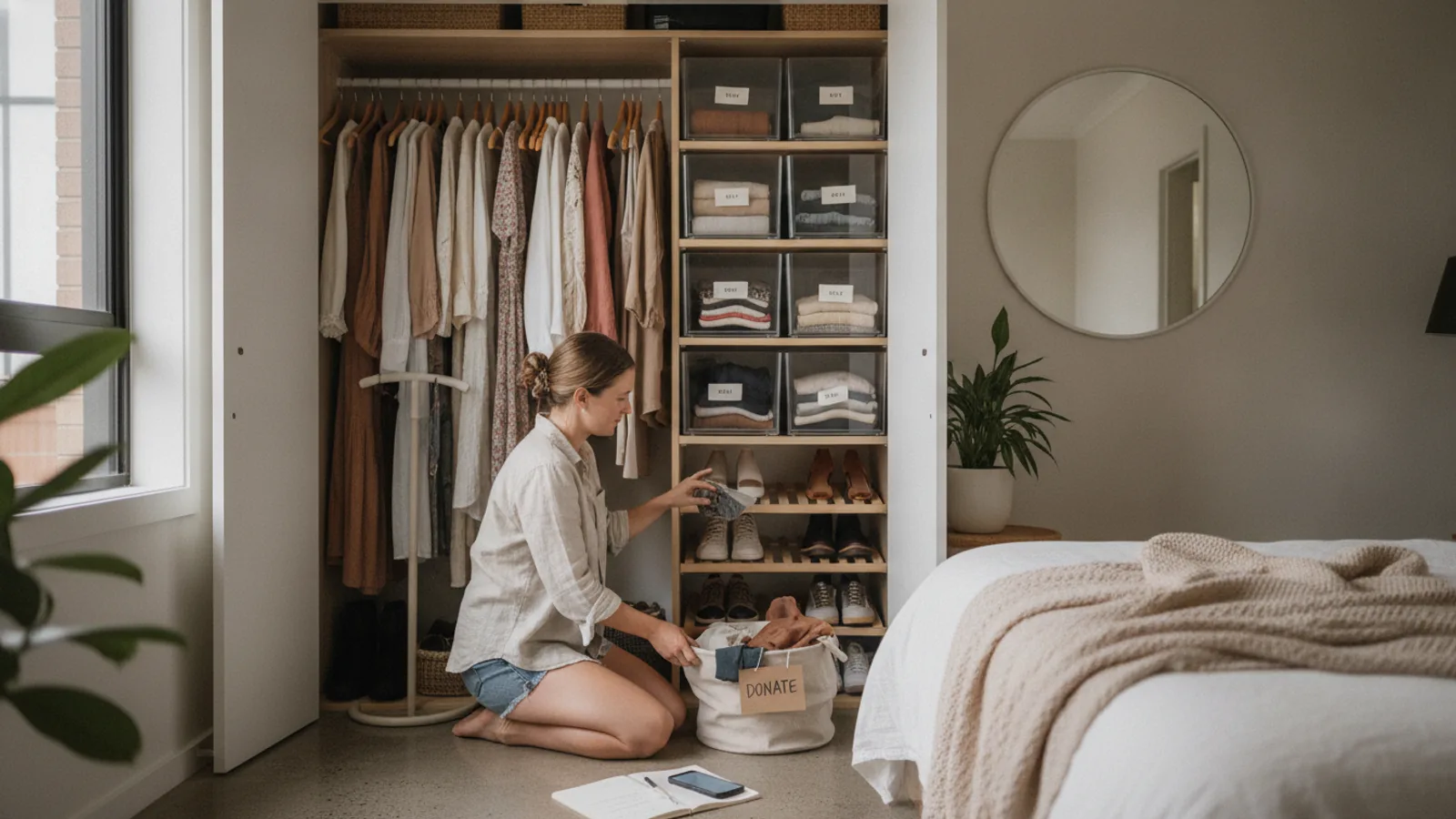
Select a small set of versatile items that mix and match easily. Start with two pairs of trousers in neutral colours like navy and charcoal, plus one pair of dark, clean jeans if your office allows denim. Add three to four shirts or blouses in solid colours or subtle patterns. Include one smart jacket, such as a blazer or unstructured cotton coat, and two pairs of shoes: one closed-toe flat or loafer, and one clean, simple sneaker. This capsule approach works because it reduces morning stress and ensures every piece works together. Check that each item fits well at the shoulders and waist, as poor fit looks sloppier than any colour choice. Rotate your capsule weekly to keep clothes fresh and to identify gaps. You can expand later, but a core of about ten pieces covers most workdays.
Choose Fabrics for Australian Weather
Australia's climate varies from hot and humid to cool and windy, so fabric choice is key. For summer, opt for breathable natural fibres like cotton, linen, and lightweight merino wool. These wick moisture and keep you comfortable in air-conditioned offices and outdoor commutes. In winter, layer with wool blends, flannel, or a smart trench coat. Avoid heavy synthetics that trap sweat and show wrinkles. Check the care label: if an item requires dry cleaning only, consider whether that suits your routine. A practical test is to scrunch the fabric in your hand; if it creases sharply, it may look untidy after a long day. Choose blends that resist wrinkling, such as cotton with a small amount of elastane. This check matters because looking put-together at 4 p.m. is as important as at 9 a.m., and comfort helps you focus.
Create Outfit Formulas
Save time by making three or four outfit formulas you can repeat with variations. For example: dark trousers, a plain shirt, and a blazer; or chinos, a fine-knit top, and loafers. Write these down or keep photos on your phone. Each formula should include a top, a bottom, a layer (optional), and shoes. Then vary the colour or fabric to keep it interesting. This method works because it removes decision fatigue and ensures you always look coordinated. Before wearing a new formula, try it on and check in a full-length mirror: does the hem break correctly? Do colours clash? Is anything too tight or too loose? A quick check prevents wardrobe malfunctions. Also, ensure your outfit suits the day's activities; if you have a client presentation, add the jacket. For casual Fridays, swap the blazer for a clean cardigan.
Accessorise with Purpose
Accessories can lift a simple smart casual outfit. Choose one or two pieces: a leather belt that matches your shoes, a classic watch, a simple necklace, or a structured bag. Avoid overly casual items like sports caps or loud logos. For footwear, ensure shoes are clean and in good repair; scuffed shoes undo a polished look. In many Australian offices, neat white sneakers are acceptable, but check your dress code first. A practical check is to look at your reflection from head to toe: does any accessory distract or look out of place? If in doubt, remove it. Accessories also help you adapt: a scarf can add warmth in winter or colour in summer. Keep a spare pair of plain socks and a simple belt at work in case you forget. This small effort shows attention to detail, which colleagues notice.
Plan Your Week and Rotate
On Sunday evening, spend ten minutes planning outfits for the week ahead. Check your calendar for meetings, presentations, or casual days, and assign an outfit formula to each day. Lay out clothes the night before to avoid morning rush. Rotate your capsule so you are not repeating the same combination too often; this keeps your look fresh and extends the life of garments. A useful check is to ensure you have at least one backup outfit ready in case of spills or unexpected weather. Also, consider laundry schedules: if you have only one clean shirt left by Thursday, adjust your plan. Planning reduces stress and helps you present consistently. After each week, note what worked and what felt uncomfortable, then tweak your capsule. Over time, you will refine a personal smart casual style that fits your office and climate without extra effort.
Quick Reference
| Situation | Action | Why it helps |
|---|---|---|
| You have a client meeting in a smart casual office. | Add a structured blazer to your usual trousers and shirt, and switch to closed-toe leather shoes or clean loafers. | A jacket immediately elevates the formality and shows respect for the client, while still fitting the smart casual baseline. |
| It is a hot summer day and your office is casual. | Wear lightweight cotton or linen trousers with a short-sleeved collared shirt and breathable leather sneakers or loafers. | Natural fibres keep you cool and dry, and a collar maintains a professional look even when the dress code relaxes for heat. |
| You are unsure if your outfit is too casual for a Friday. | Keep a plain blazer or smart cardigan at your desk to layer over your top if you feel underdressed. | Having a quick layer on hand lets you adjust instantly without going home, and it signals that you take your appearance seriously. |
Common Issues
- Your outfit feels too casual compared to colleagues.: Add a collar, a jacket, or closed-toe shoes. Swap sneakers for loafers or flats. Check that your trousers are not denim if denim is not the norm. Small upgrades like a belt or a watch can also raise the formality.
- You are always rushing in the morning and grab the same clothes.: Plan your week on Sunday and lay out each day's outfit the night before. Use outfit formulas to make decisions faster. Keep your capsule organised so you can see all options at a glance, reducing last-minute stress.
- Your clothes feel uncomfortable or look wrinkled by midday.: Choose wrinkle-resistant fabrics like cotton blends or merino wool. Test by scrunching the fabric before buying. Keep a steamer or lint roller at work. Ensure proper fit so clothes do not pull or bunch, which causes discomfort and wrinkles.
Advanced Tips
- Invest in a tailor for minor adjustments like hemming trousers or taking in shirt waists; a good fit makes affordable clothes look expensive.
- Build a seasonal rotation by storing off-season items in a breathable garment bag to keep them fresh and extend their lifespan.
- Create a personal style file with photos of outfits you like on similar body types and in similar settings, then adapt them to your wardrobe.
Final Checklist
- Confirm your office dress code with HR or your manager, and note any specific rules for client days or casual Fridays.
- Ensure your capsule includes at least two bottoms, three tops, one layer, and two pairs of shoes that all mix and match.
- Check the weather forecast and your calendar for the next day, then lay out your outfit accordingly before bed.
- Inspect your chosen clothes for wrinkles, stains, and missing buttons, and have a backup plan or quick fix item at work.
FAQ
Can I wear jeans in a smart casual office?
It depends on your specific workplace. Many Australian offices allow dark, clean, well-fitted jeans without rips or fading, but some do not. Check your employee handbook or ask your manager. If jeans are allowed, pair them with a collared shirt and a blazer or smart cardigan to keep the look polished. Avoid distressed or light-wash denim unless you know it is acceptable.
How many outfits do I need for a smart casual wardrobe?
Aim for a core capsule of about ten to twelve pieces that can create at least ten different outfits. This typically includes two to three bottoms, four to five tops, one or two layers, and two pairs of shoes. You can add more as you identify gaps. The goal is versatility, not quantity, so focus on pieces that mix and match easily.
What shoes are best for smart casual in Australia?
Choose closed-toe shoes like leather loafers, ballet flats, or clean, simple sneakers in a solid colour. Avoid athletic running shoes or thongs (flip-flops) unless your office is very relaxed. In summer, breathable leather or canvas slip-ons work well. Always check your dress code, as some offices require covered shoes for safety. Keep shoes clean and in good repair for a professional look.