How To Dress For A Long Australian Summer Lunch
A practical step-by-step guide to how to dress for a long Australian summer lunch, including preparation, instructions, common issues, tips, and next steps.
How To Dress For A Long Australian Summer Lunch
A long Australian summer lunch can run for hours in bright sun and dry heat, so what you wear matters as much as what you eat. The goal is light, breathable clothing that keeps you cool, protects your skin, and still looks relaxed and polished when you move from a shaded table to an open garden. Build your outfit around natural or technical breathable fabrics, loose coverage, a sun-safe hat, and comfortable shoes that handle grass, gravel, or a hot patio. Bring a small layer for the evening cool change and a bag that holds sunscreen, water, and a light wrap. This guide walks you through planning, dressing, checking, and adjusting so you stay comfortable from the first drink to the last slice of dessert.
Fast Answer
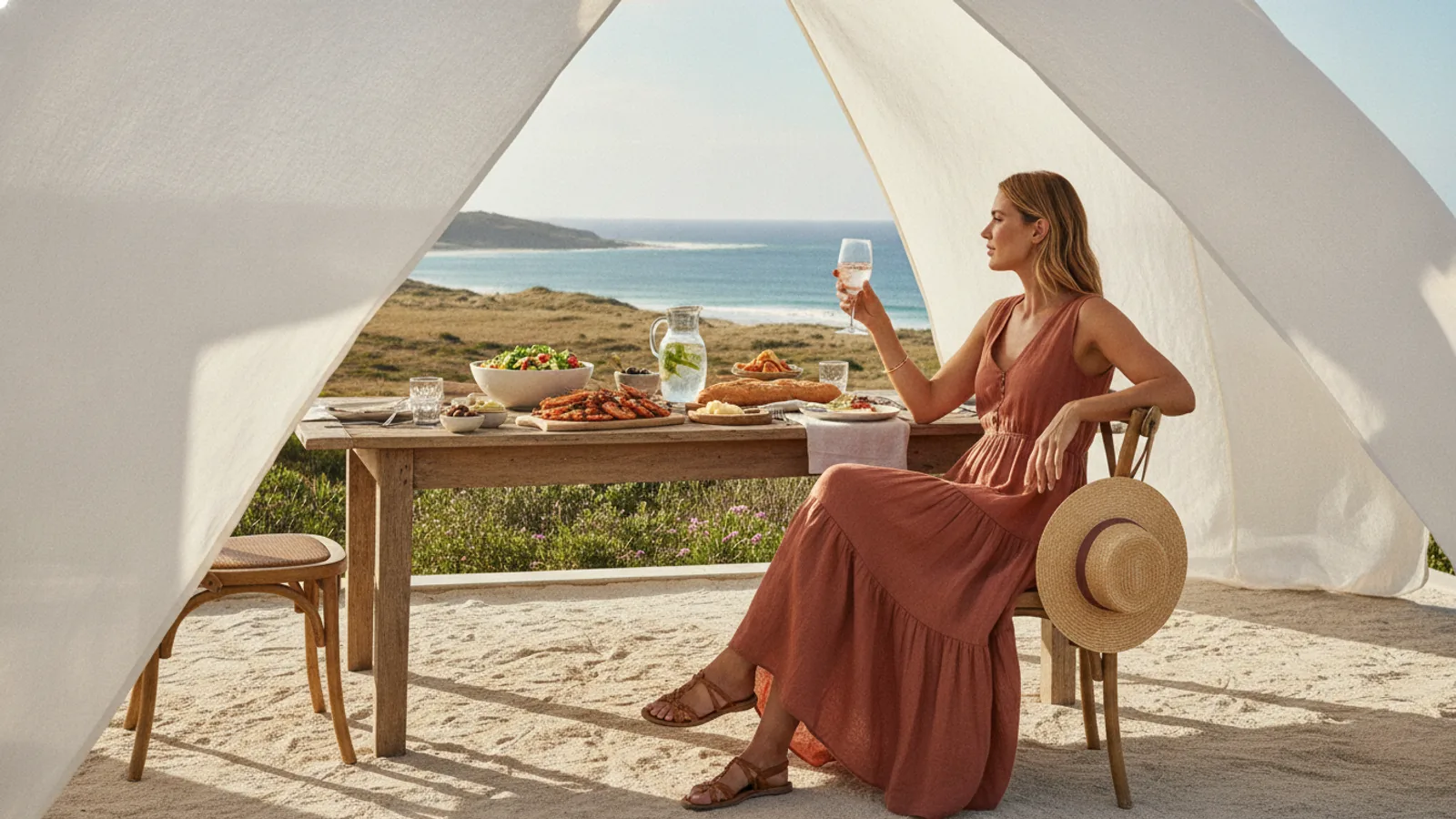
- Choose loose, light-coloured clothing in breathable natural or technical fabrics, add a wide-brimmed hat and sunglasses, and wear closed, breathable shoes or supportive sandals that suit grass or gravel.
- Aim for covered shoulders and a hem below the knee if you will sit in direct sun, then keep a light long-sleeve layer and a compact sunscreen in your bag for shade changes and the late-afternoon cool.
Before You Start
- Check the forecast for peak temperature, ultraviolet index, and any late-afternoon wind or cool change, then choose fabric weight and layers that match the hottest and coolest hours you expect.
- Lay out your outfit the night before and try it on seated, walking, and reaching overhead so you notice tight waistbands, slipping straps, or a hem that rides up before the day begins.
- Pack a small bag with broad-spectrum sunscreen, a refillable water bottle, sunglasses, a light scarf or wrap, and blister plasters so you can refresh protection without leaving the table.
- Confirm the venue surface and seating, whether it is lawn, decking, gravel, or a covered patio, so your shoe choice and hem length suit the ground and the amount of direct sun you will sit in.
Step-by-Step Instructions
Plan around heat, sun, and timing
Start by reading the forecast for the hours you will actually be outdoors, not just the daily maximum. Note the peak temperature, the ultraviolet index, humidity, and any late cool change or coastal breeze. Choose lighter fabric and more coverage for a high ultraviolet day, and pick a slightly warmer layer if the evening will drop sharply. Decide whether you will sit mostly in shade or full sun, because that changes how much skin you can comfortably leave exposed. A practical check is to compare the forecast for the lunch start and the likely finish, then ask whether one outfit can handle both. This matters because a long lunch spans the hottest part of the day and the first cool hour of evening, so planning for only one temperature often leaves you either overheated at the start or shivering at the end.
Build the base in breathable fabrics
Choose the layer closest to your skin from breathable options such as linen, cotton, viscose, or a lightweight technical fabric designed to wick moisture. Avoid heavy synthetics that trap heat and dense dark colours that absorb sunlight. Loose cuts let air move around your body, while a slightly relaxed fit reduces clinging when you perspire. Test the fabric by holding it up to a light source and feeling whether air passes through easily, then scrunch it in your hand to see whether it creases badly or springs back. A practical check is whether you can sit, stand, and reach across a table without the fabric pulling tight across your back or waist. This matters because the base layer controls most of your comfort over several hours, and a fabric that feels fine for a few minutes indoors can become uncomfortable once you sit in warm, still air with food and drinks around you.
Add sun-safe coverage and a hat
Cover your shoulders and upper back with a light long-sleeve shirt, a loose overshirt, or a structured sleeveless layer with a higher neckline, because these areas catch sun while you sit and talk. Choose a wide-brimmed hat that shades your face, ears, and neck, and check that the brim does not flop into your food or block your view of the table. Pair it with sunglasses that sit comfortably and stay put when you look down. A practical check is to stand in direct light and see whether your face and the back of your neck fall inside the hat shadow. This matters because long lunches involve long periods of seated exposure, and hats and sleeves reduce direct ultraviolet contact on skin that is hard to reapply sunscreen to once your hands are oily or your table is crowded.
Pick shoes for grass, gravel, and heat
Match your shoes to the ground and the length of the event. For lawn or gravel, choose a low block heel, a supportive flat, or a breathable closed shoe with a grippy sole, because thin soles and stiletto heels sink or wobble on soft ground. For a covered patio, a clean sandal with a secure strap works well. Avoid brand-new shoes that have not been worn for at least a short walk, and check the inside for rough seams that could rub once your feet warm up. A practical check is to walk on a similar surface at home and see whether your heel lifts, your toes jam forward, or the strap rubs. This matters because you may stand, move between tables, and walk to a garden or bathroom several times, and foot discomfort can overshadow an otherwise enjoyable afternoon.
Layer for shade, breeze, and evening
Add one light layer you can put on or take off without leaving the table, such as a fine knit, a cotton overshirt, or a large scarf that doubles as a shoulder cover. Keep the layer neutral enough to work with the rest of the outfit and light enough to fold into your bag. Think about where you will sit: a shaded verandah can feel cool even on a hot day, and a coastal breeze can drop the apparent temperature quickly. A practical check is to wear the full outfit indoors, then step outside for a few minutes and notice whether you feel comfortable with the layer on and off. This matters because a single light layer gives you control over your comfort as the sun moves and the afternoon cools, without needing a complete change of clothes during a long, social meal.
Do a final mirror and movement check
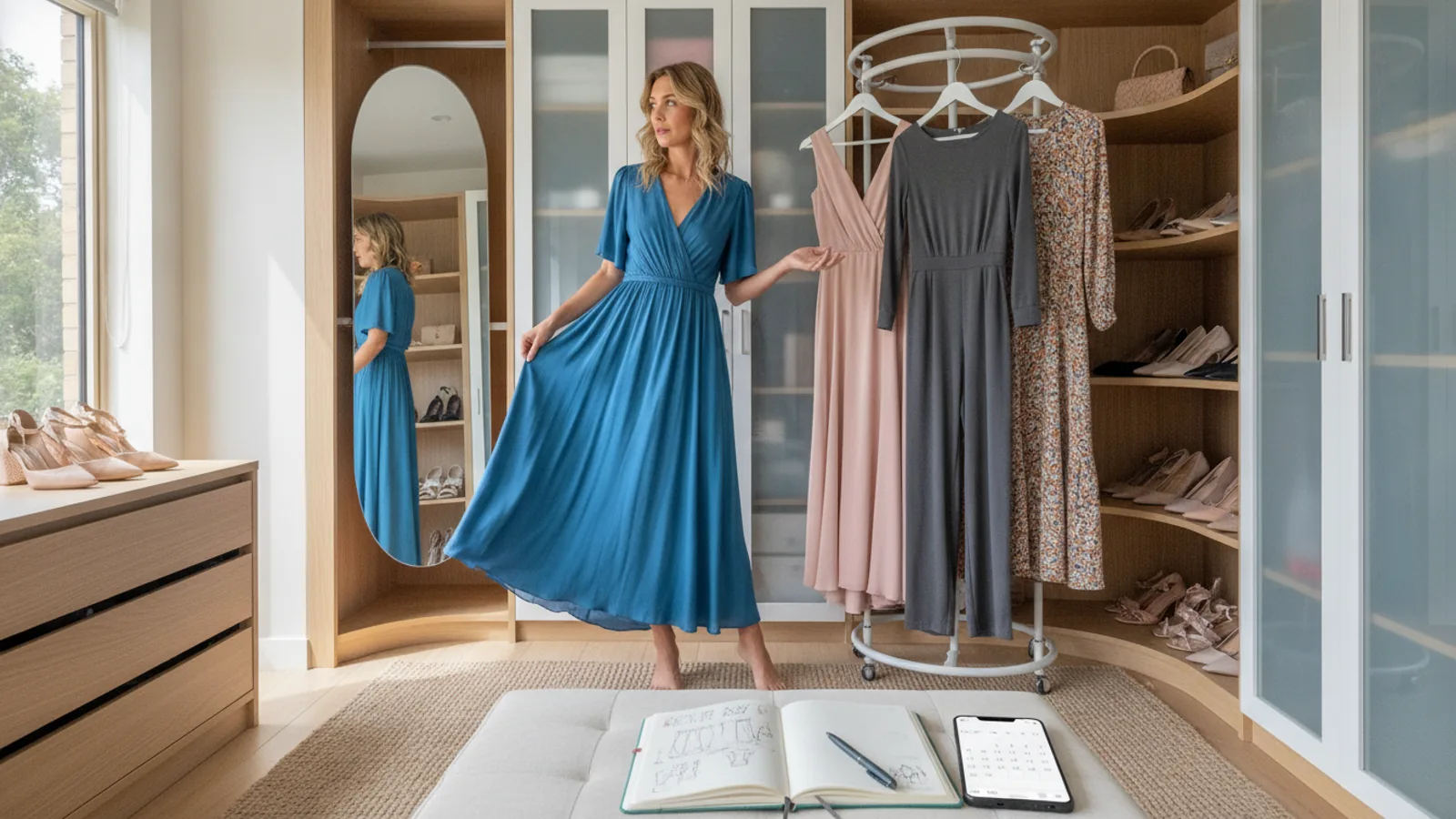
Before you leave, stand in front of a mirror in the full outfit and check the neckline, hem, and straps while seated, standing, and reaching forward. Look for any gap that exposes skin you intended to cover, any waistband that digs in when you sit, and any fabric that becomes sheer in bright light. Confirm your bag holds sunscreen, water, and your light layer, and that your hat and sunglasses are within reach. A practical check is to sit on a low chair, cross your legs, and lean forward as if reaching for a shared plate, then adjust anything that pulls, gaps, or restricts you. This matters because lunch involves repeated sitting, leaning, and moving around a table, and small fit problems that seem minor at home become constant distractions once you are outdoors and cannot easily change.
Quick Reference
| Situation | Action | Why it helps |
|---|---|---|
| You are seated in direct sun for most of the lunch. | Wear a light long-sleeve layer or a higher-neck top, keep a wide-brimmed hat on between courses, and reapply broad-spectrum sunscreen to hands, ears, and any exposed skin every two hours. | Direct sun exposure builds over several hours, and covered skin plus regular sunscreen reduces the risk of painful burns that can ruin the rest of the day and the days that follow. |
| The forecast shows a hot start and a cool evening change. | Choose a breathable base outfit for the day and pack one light neutral layer, such as a fine knit or large scarf, that you can add at the table without changing your whole look. | A long lunch can span a wide temperature range, so one removable layer keeps you comfortable when the sun drops without forcing you to leave early or borrow clothing. |
| The venue has lawn, gravel, or uneven garden paths. | Wear a supportive flat or low block heel with a grippy sole, or bring a spare pair of flat shoes, and avoid thin soles and narrow heels that sink into soft ground. | Unstable footwear on soft or uneven ground increases the chance of a stumble and makes walking to the bathroom or garden uncomfortable over a multi-hour event. |
Common Issues
- You feel overheated even though your outfit looks light and summery.: Step into shade, remove one layer, loosen anything tight at the waist or neck, and drink cool water. Check whether your fabric is actually breathable by holding it up to the light, because some smooth-looking fabrics trap heat. If you still feel unwell after cooling down, seek medical advice.
- Your shoulders or arms are burning despite wearing sunscreen.: Cover the area with a light long-sleeve layer or a large scarf, move into shade if possible, and reapply broad-spectrum sunscreen to any remaining exposed skin. Check the ultraviolet index for the day and plan more coverage for the next outdoor meal.
- Your feet hurt or your shoes rub after an hour or two.: Change into a spare pair of flat shoes or supportive sandals, clean and cover any hot spot with a blister plaster, and check the ground surface before walking further. Choose a wider, softer shoe style for your next long outdoor lunch.
Advanced Tips
- Choose a colour palette that reflects heat rather than absorbs it, such as pale neutrals and soft pastels, and use one deeper accent in an accessory rather than across your whole outfit.
- Test your complete outfit at home for at least twenty minutes while seated and moving, because the way fabric behaves in still air and bright light is different from a quick try-on.
- Keep a small comfort kit in your bag with sunscreen, a refillable water bottle, blotting papers, a light wrap, and blister plasters so you can refresh and adjust without leaving the table.
Final Checklist
- Outfit uses breathable, loose fabrics in a light colour, with covered shoulders and a hem that stays put when you sit, lean, and stand.
- Wide-brimmed hat and sunglasses are packed and checked for a secure fit that shades your face, ears, and neck.
- Shoes suit the ground surface, have been worn before, and a spare flat pair is available if the venue is softer or rougher than expected.
- Bag holds broad-spectrum sunscreen, a refillable water bottle, one light layer, and a small comfort kit for touch-ups during the meal.
FAQ
What fabric is best for a long, hot outdoor lunch?
Breathable natural fibres such as linen and cotton, or lightweight technical fabrics designed to wick moisture, work well because they let air move and dry faster. Avoid heavy, dense synthetics that trap heat. A simple check is to hold the fabric up to a light source and see how easily light and air pass through, then scrunch it to judge how it creases and recovers.
How do I stay comfortable from a hot afternoon into a cool evening?
Build the outfit around a breathable base and add one light, removable layer such as a fine knit or large scarf. Check the forecast for both your arrival and departure hours, then test the full outfit indoors with the layer on and off so you know you can adjust at the table without changing clothes.
Should I wear sandals or closed shoes to an outdoor lunch?
Match the shoe to the ground. Supportive flats or low block heels work on lawn and gravel, while secure sandals suit a covered patio. Avoid brand-new shoes and thin soles, and walk on a similar surface at home first. If you are unsure about the venue, bring a spare pair of flat shoes in your bag or car.